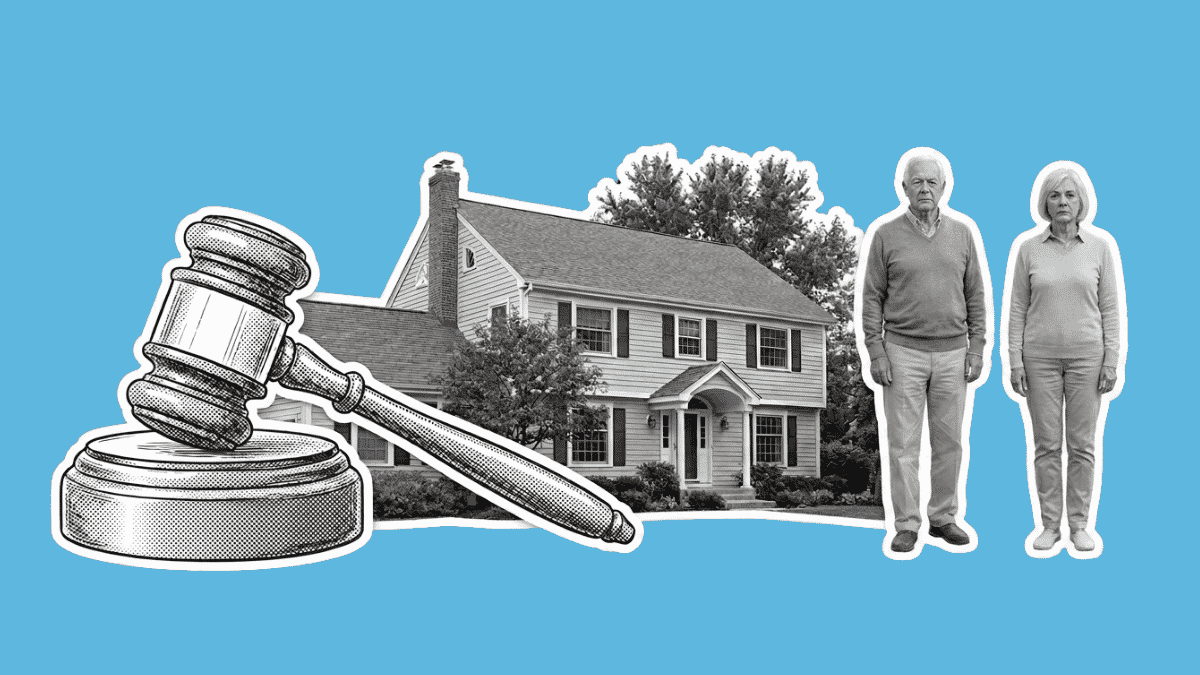
Key facts
- Reverse mortgages are being used by senior homeowners in 'gray divorce' settlements.
- These loans help fund equity buyouts for divorcing spouses.
- Reverse mortgages can eliminate monthly mortgage payments for homeowners.
- The strategy assists homeowners who are 'house-rich and cash-flow-constrained'.
- This financial tool addresses liquidity challenges in divorce settlements for seniors.
Reverse mortgages are increasingly being utilized by senior homeowners as a solution for financial complexities arising from 'gray divorce,' a term describing divorce among older adults. These specialized loans offer a way to access the equity built up in a home, providing much-needed liquidity for individuals who are described as 'house-rich and cash-flow-constrained.'
The primary utility of reverse mortgages in this context is to facilitate equity buyouts. When a couple divorces, one spouse may wish to remain in the home while the other receives their share of the equity. A reverse mortgage can provide the funds necessary for the remaining spouse to buy out the departing spouse's interest without requiring the sale of the property or taking on new monthly payments. Furthermore, reverse mortgages eliminate the need for monthly mortgage payments, which can be a significant relief for seniors on fixed incomes. This feature is crucial for individuals who may struggle to afford ongoing housing costs after a divorce.
The trend highlights a growing need for financial strategies tailored to the unique circumstances of older adults navigating marital dissolution. Traditional divorce settlements often require significant liquid assets, which many seniors lack despite substantial home equity. Reverse mortgages offer a viable alternative by converting home equity into usable cash, thereby easing the financial strain associated with divorce settlements and allowing seniors to maintain their housing stability.