Key facts
- 48% of top-floor condominium units in downtown Tokyo and Osaka have owners with registered addresses elsewhere.
- The Nikkei study covered 303 high-rise mansions (20+ stories) in central Tokyo and Osaka.
- This 'address mismatch' suggests properties are held for investment, vacation, corporate assets, or inheritance tax purposes, rather than as primary residences.
- An analysis by TRUSTART found overseas-address owners concentrated in major cities, representing 4.5% in Tokyo's central wards.
- Corporate ownership in Tokyo's high-rise buildings increases with floor level, reaching about 30% on floors 48 and above.
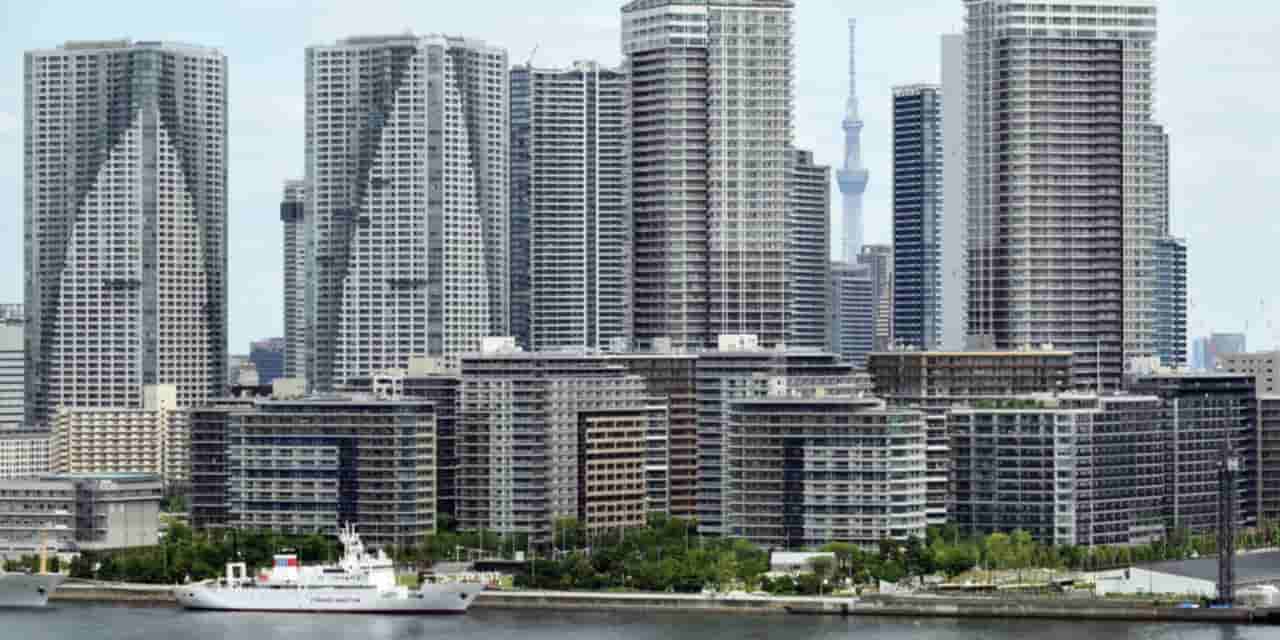
A Nikkei study of high-rise condominiums in downtown Tokyo and Osaka has revealed that nearly half of the units on the top floors are owned by individuals or entities whose registered addresses are elsewhere. The investigation, which examined real estate registries as of December 2025, found that 48% of the 1,867 top-floor units surveyed had owners with addresses not matching the property location.
This trend, often referred to as an 'address mismatch,' suggests that these expensive properties are increasingly being held as assets for investment, vacation homes, corporate holdings, or for tax purposes, rather than as primary residences. Judicial scriveners familiar with real estate registration confirm that such mismatches are highly indicative of non-residential use.
Further analysis by TRUSTART, a real estate big data company, indicates a concentration of overseas-address owners in major metropolitan areas, reaching 4.5% in Tokyo's central wards. This report also highlighted that corporate ownership is more prevalent on higher floors of tower buildings, with approximately 30% of units on floors 48 and above in Tokyo being owned by corporations. The composition of foreign ownership varies by region, with China and Taiwan leading across prefectures, but Taiwan being more numerous in Hokkaido and Kyoto, while China has a higher share in Saitama and Fukuoka.