Key facts
- A family initially sought a home with land outside the suburbs but ended up in a walkable city neighborhood.
- They found that a large city park provided more accessible outdoor space than a private yard.
- The walkable neighborhood facilitated a lifestyle with less reliance on vehicles.
- The family experienced a strong sense of community with many children in their new block.
- The move to the city provided the desired connection to nature and community.
John Serbell recounts his family's unexpected journey from seeking a spacious rural property to embracing a vibrant, walkable city neighborhood. Initially drawn to the idea of owning land and living near nature, the family's priorities shifted after the birth of their son and a subsequent move back to the St. Louis area. Their search for a home led them through isolated rural properties and cookie-cutter suburban developments, where they felt disconnected and car-dependent.
After viewing nearly 30 houses, Serbell's wife suggested exploring city neighborhoods. Despite his initial reservations about limited outdoor space and safety concerns, Serbell agreed. They discovered a densely packed neighborhood of historic homes adjacent to a large city park, which offered a sense of community and accessibility they hadn't found elsewhere. The sight of children playing freely and neighbors interacting fostered an immediate connection.
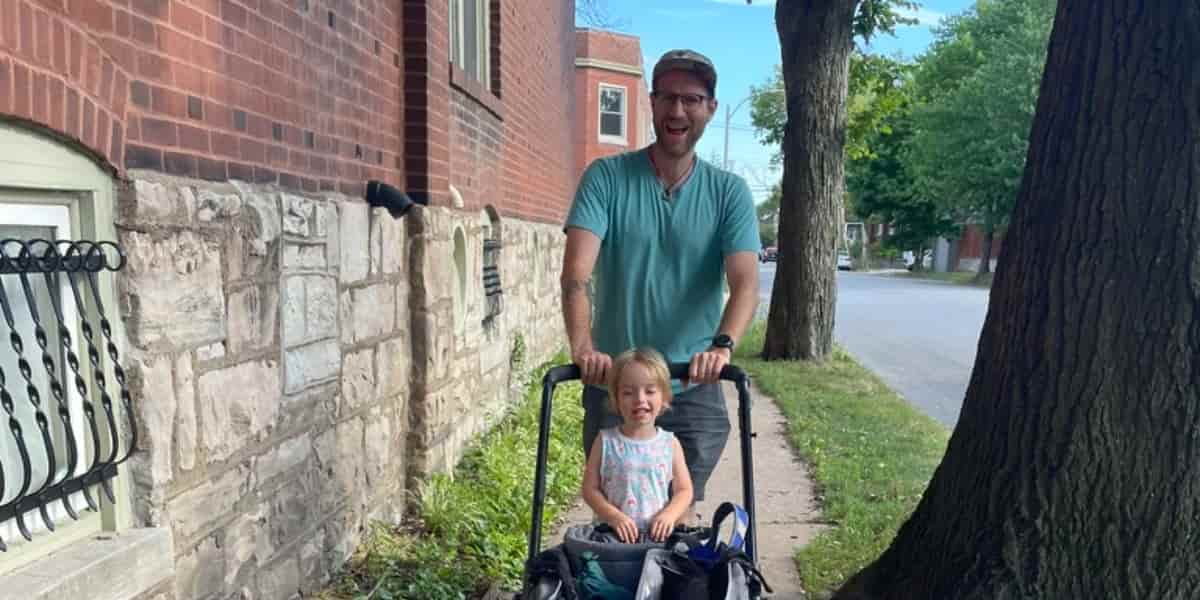
They found a house within their budget and moved to St. Louis. The transition proved smoother than expected, with neighbors warmly welcoming their young family. The large city park became an extension of their backyard, providing ample space for recreation and daily activities. This urban setting allowed them to walk to amenities like farmers markets, playgrounds, and community events, significantly reducing their reliance on vehicles.
This shift in lifestyle led them to downsize their car collection, eventually operating with just one vehicle. They realized substantial savings on insurance and maintenance. Working from home, their primary need for transportation was driving their children to school, a task made easier by the neighborhood's walkability and proximity to essential services. The author expresses gratitude for finding a perfect fit for his family in a walkable city environment.