Key facts
- Columbus, Ohio, is experiencing its highest multifamily housing permit approval rate since 2019.
- Cities like Las Vegas, Oklahoma City, and Birmingham, Alabama, are also reporting upticks in multifamily permits.
- High-cost cities such as New York City, Seattle, Austin, and Washington D.C. are reporting five-year lows in permit rates.
- Increased housing supply through new construction is seen as a way to meet demand and potentially lower rental costs.
- The median asking rent in Columbus was $1,180 last month, down 1.5% from a year ago.
- Approximately half of US renter households were cost-burdened in 2024.
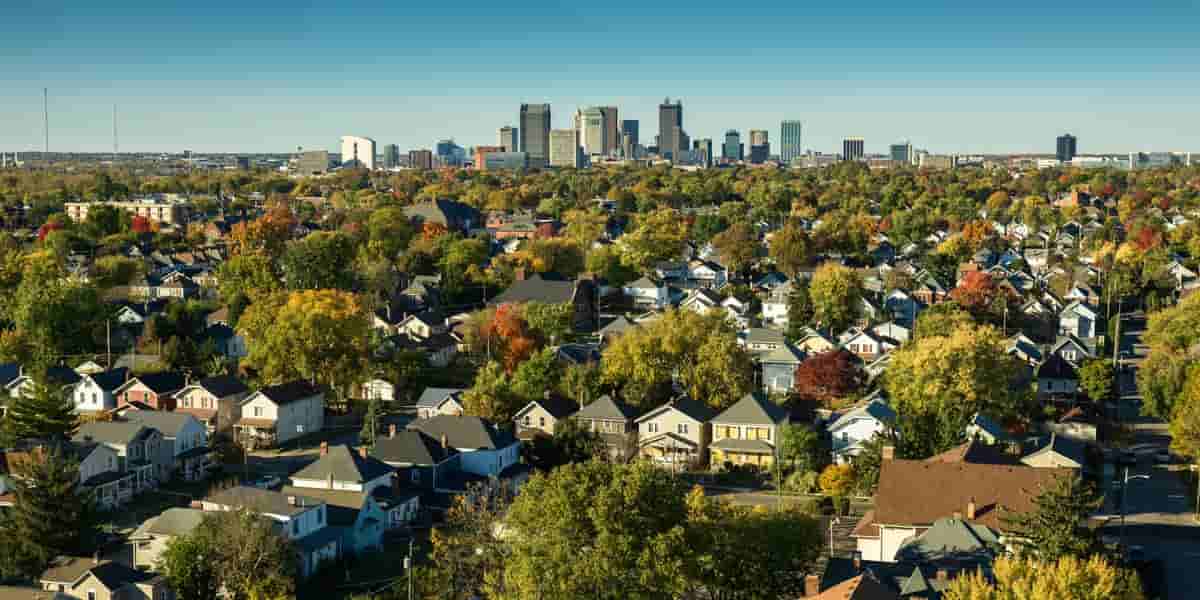
Columbus, Ohio, is leading a trend of increased apartment construction, with the city experiencing its highest multifamily housing permit approval rates since 2019. This surge is attributed to density-friendly zoning reforms, such as Columbus's 'Zone In' plan, which is expected to add up to 88,000 new homes over the next decade. Similar upticks in construction permits are being observed in cities like Las Vegas, Oklahoma City, and Birmingham, Alabama.
This contrasts with high-cost metropolitan areas like New York City, Seattle, Austin, and Washington D.C., which are reporting five-year lows in multifamily permit rates. Economists suggest that policies like New York's rent freeze could exacerbate rising market rates without new supply to offset demand.
Increasing housing supply through new construction is viewed as a key strategy to meet demand and potentially drive down rental costs for residents, addressing a growing affordability crisis in many urban areas. While not a perfect solution, building more housing may alleviate long-term cost burdens. The median asking rent in Columbus was $1,180 last month, down 1.5% from a year ago, and national median rents have also dipped from their 2022 peaks. Economists anticipate continued momentum in multifamily construction, potentially translating to modest rent relief later this year.
However, the supply increase does not fully resolve affordability issues. A Harvard Joint Center for Housing Studies analysis revealed a significant decrease in the availability of rental units under $1,000 per month (inflation-adjusted) between 2014 and 2024, while the supply of higher-rent units grew. This indicates that many expensive rentals remain vacant as households struggle to afford them. In 2024, about half of U.S. renter households were considered cost-burdened, spending at least 30% of their income on housing, a figure that is even higher in expensive cities.