Key facts
- Oil prices edged higher due to stalled U.S.-Iran negotiations.
- Negotiations aimed at a peace deal and reopening the Strait of Hormuz.
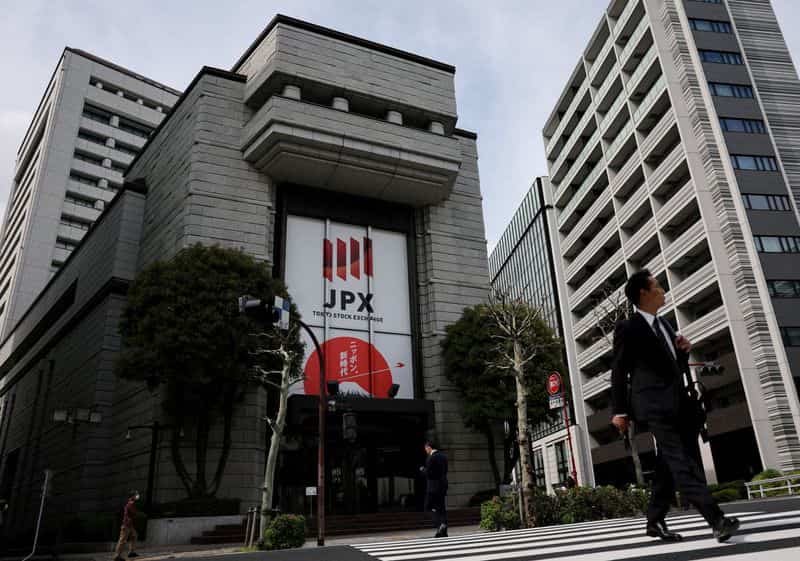
- Asian shares drifted amid uncertainty about global inflation.
- The Strait of Hormuz is a critical maritime passage for oil transport.
- Stalled talks mean the Strait of Hormuz remains under its current operational status.
Oil prices experienced a modest rise, influenced by the current impasse in U.S.-Iran negotiations. These talks were aimed at achieving a peace deal and, crucially, reopening the Strait of Hormuz, a vital chokepoint for global oil transport. The failure to reach an agreement means the strait's operational status remains unchanged, contributing to market jitters.
Alongside the oil market's reaction, Asian shares exhibited a downward drift. This movement reflects persistent uncertainty surrounding global inflation, a broader economic concern that is influencing investor sentiment across various markets. The stalled U.S.-Iran negotiations add another layer of complexity to the already precarious global economic outlook.
The situation highlights the delicate balance of geopolitical factors and their direct impact on energy markets and broader financial stability. The Strait of Hormuz is a critical artery for the movement of crude oil, and any disruption or perceived risk to its passage can lead to price volatility.