Key facts
- The July jobs report showed a contraction in payroll employment.
- The jobs report significantly reduced the likelihood of a September Fed rate hike.
- The data has eased concerns about an overheating labor market.
- Some economists believe the reported weakness in the jobs data may be overstated.
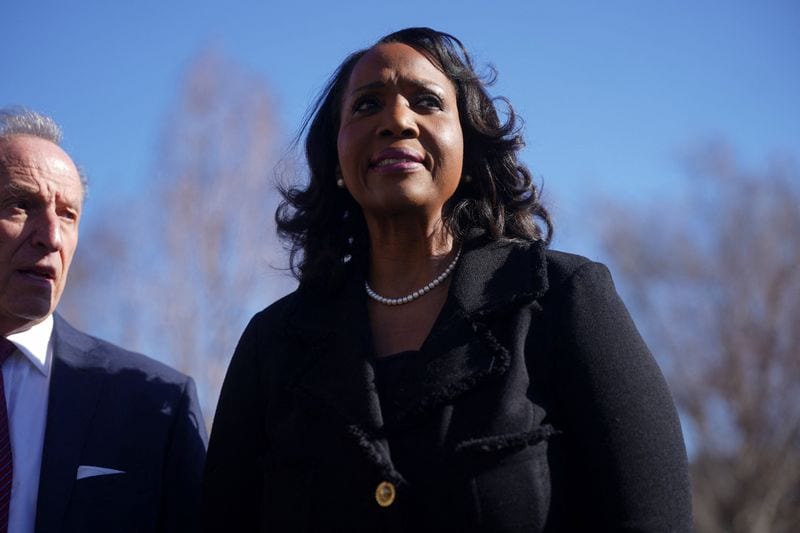
- Federal Reserve Governor Lisa Cook is facing renewed political pressure.
- Markets are digesting mixed U.S. jobs data.
- Investors remain divided on the likelihood of a September Fed rate hike.
- Crucial inflation figures are anticipated.
The July jobs report has revealed a contraction in payroll employment, substantially decreasing the probability of a Federal Reserve interest rate hike in September. This development has helped to alleviate concerns regarding an overheated labor market and its potential inflationary consequences. Despite the overall contraction, some economists suggest that the reported weakness may be overstated, indicating a need for careful interpretation of the data.
Federal Reserve Governor Lisa Cook is currently navigating renewed political pressure. This pressure coincides with market participants digesting mixed U.S. jobs data and awaiting crucial inflation figures. The investor community remains divided on the likelihood of the Federal Reserve implementing another interest rate hike in the upcoming month of September.
The implications of the July jobs report extend to the Federal Reserve's monetary policy considerations. A weaker-than-expected jobs report generally suggests a cooling economy, which could give the Fed pause before further tightening monetary conditions. However, the central bank also remains vigilant about inflation, and any signs of persistent price pressures could still warrant further rate increases, even with a softer labor market.