Key facts
- The IMF projects global output to fall to 3 percent for the year.
- High commodity prices exacerbated by the Iran war are cited as a reason for the slowdown.
The International Monetary Fund (IMF) projects a global economic slowdown to 3 percent growth for the year, citing high commodity prices and renewed conflict in the Middle East. While the IMF has largely kept its 2026 global growth forecast unchanged at 3%, the outlook is contingent on the de-escalation of hostilities. The IMF has upgraded the UK's growth forecast to 1% due to easing Middle East conflict fears, positioning it as the third fastest-growing G7 economy. Mexico anticipates outperforming IMF projections, with its Finance Minister believing initial estimates were too pessimistic. Meanwhile, Australia's central bank sees no significant slowdown from a recent oil shock, emphasizing the need to control inflation.
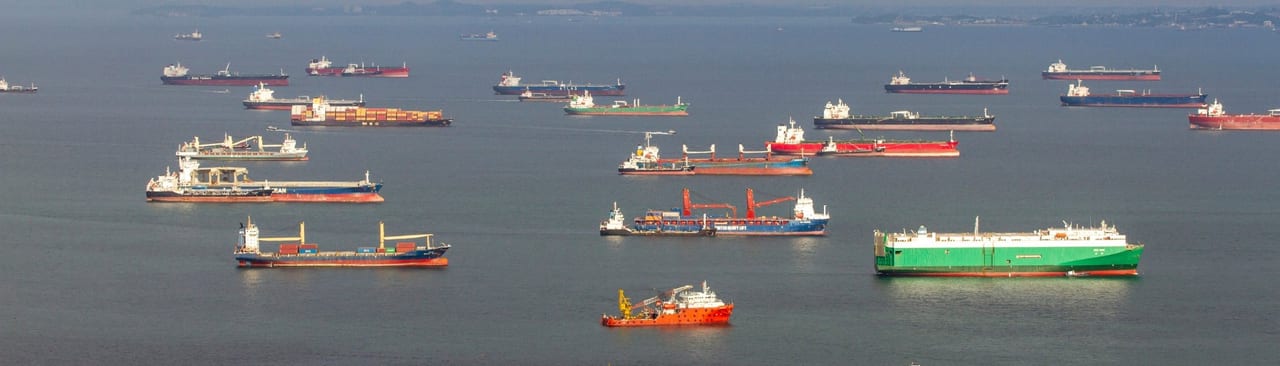
The International Monetary Fund (IMF) forecasts a significant slowdown in global output, projecting it to fall to 3 percent for the year. This projection is attributed to high commodity prices, which have been exacerbated by renewed conflict in the Middle East. The IMF has warned that this conflict poses the most imminent risk to global growth and inflation, with potential consequences including worsening food insecurity. Despite these concerns, the fund has left its 2026 global growth forecast largely unchanged at 3%, though it notes that the overall outlook remains heavily dependent on the status of ongoing hostilities.
In specific regional and national contexts, the IMF has revised its outlook. For the United Kingdom, the IMF has upgraded its growth forecast to 1% for the year, a revision spurred by reduced fears over the economic impact of the Middle East conflict. This upgrade positions the UK as the third fastest-growing economy within the G7 in 2026, with inflation also expected to decline. Mexico's economy, according to Finance Minister Edgar Amador, is expected to outperform the IMF's latest projections. Amador stated that the country's economy is anticipated to perform better than the IMF's revised downward estimates, which were influenced by global factors, and he believes the IMF's initial assessments for Mexico were overly pessimistic.
Conversely, the Reserve Bank of Australia's Assistant Governor, Sarah Hunter, has indicated that despite a recent oil shock affecting consumer and business confidence, there are currently few signs of a significant slowdown in economic activity. Hunter stressed the importance of maintaining low inflation, even if supply shocks require difficult policy trade-offs. The OECD has also issued a warning regarding a significant slowdown in global growth prospects, aligning with the IMF's broader concerns about the economic environment.
The International Monetary Fund (IMF) forecasts a significant slowdown in global output, projecting it to fall to 3 percent for the year. This projection is attributed to high commodity prices, which have been exacerbated by renewed conflict in the Middle East. The IMF has warned that this conflict poses the most imminent risk to global growth and inflation, with potential consequences including worsening food insecurity. Despite these concerns, the fund has left its 2026 global growth forecast largely unchanged at 3%, though it notes that the overall outlook remains heavily dependent on the status of ongoing hostilities.