Key facts
- Foreign investors are reducing bets on Indian interest rate hikes.
- India's five-year overnight index swap market has seen record trading turnover.
- The Indian rupee has strengthened.
- The Reserve Bank of India has taken measures to boost foreign inflows.
- Australia's economy shows few signs of a significant slowdown.
- An oil shock has impacted consumer and business confidence in Australia.
- The Reserve Bank of Australia emphasizes the need to maintain low inflation.
- Supply shocks may necessitate difficult trade-offs for monetary policy.
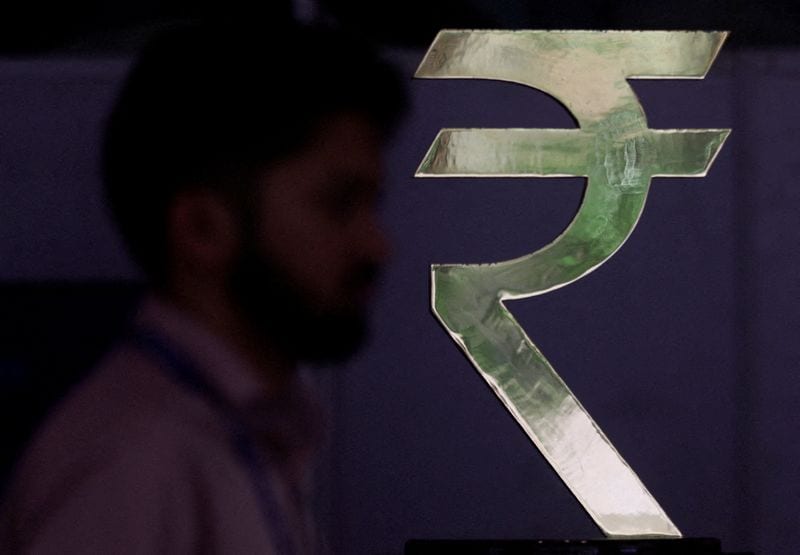
Foreign investors have significantly reduced their bets on further interest rate hikes in India, a development that has fueled record trading volumes in the nation's five-year overnight index swap (OIS) market. This trend suggests a growing confidence among market participants regarding India's economic outlook and monetary policy trajectory. The Indian rupee has also seen an appreciation, attributed to measures implemented by the Reserve Bank of India aimed at enhancing foreign capital inflows into the country. This combination of reduced rate-hike expectations and increased market confidence is a notable shift in investor sentiment towards the Indian economy.
In a separate development, Sarah Hunter, Assistant Governor at the Reserve Bank of Australia, has indicated that the Australian economy is not showing marked signs of a slowdown despite a recent oil price shock. This shock has had an impact on both consumer and business confidence. However, Hunter stated that current economic activity levels do not reflect a significant downturn. She underscored the central bank's commitment to maintaining low inflation, acknowledging that supply shocks may compel difficult trade-offs in monetary policy. The focus remains on price stability, even in the face of external pressures that could complicate policy decisions.