Key facts
- The U.S. dollar traded near a two-month low.
- Investors are awaiting U.S. inflation data.
- Recent U.S. jobs data cooled expectations for a Fed rate hike.
- Asian stocks followed Wall Street higher.
- A soft U.S. jobs report eased rate hike fears.
- Oil prices saw a slight increase.
- Japan posted its first current account deficit in 17 months.
- Japan's current account deficit in June was 92.3 billion yen.
- Increased dividend payouts to foreign investors contributed to Japan's deficit.
- Surging oil import costs contributed to Japan's deficit.
- Japan's current account surplus rose significantly in the first half of the year.
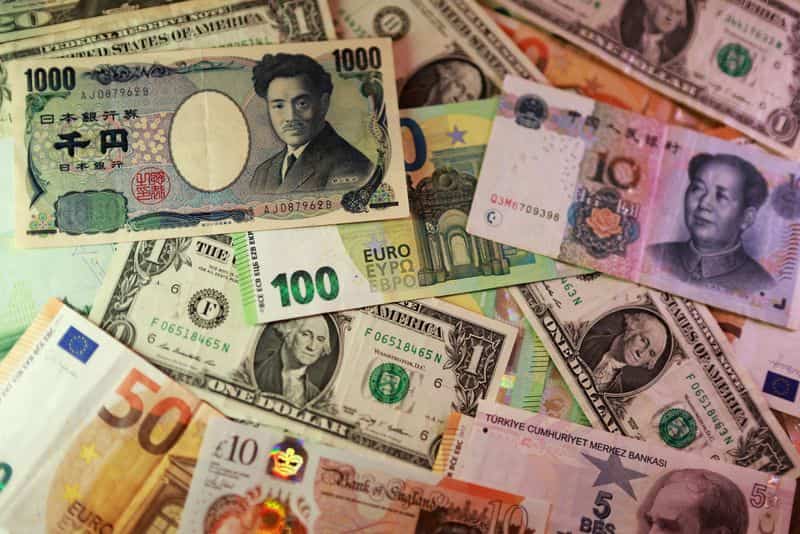
The U.S. dollar hovered near a two-month low against major currencies, showing a slight increase as oil prices climbed and market participants awaited key inflation data. This data is expected to provide further clues regarding the Federal Reserve's future interest rate decisions. Recent U.S. jobs data has already tempered expectations for a Fed rate hike in the upcoming month, influencing currency markets.
Asian stock markets followed Wall Street higher, with gains attributed to a soft U.S. jobs report that has eased concerns about potential interest rate hikes. Oil prices experienced a slight increase, influenced by stalled peace talks in the Gulf region and ongoing concerns regarding shipping lanes. The market's assessed probability of a September Fed rate hike has significantly decreased.
In a separate development, Japan recorded its first current account deficit in nearly a year and a half, with the deficit reaching 92.3 billion yen in June. This deficit was primarily driven by increased dividend payouts to foreign investors and the escalating costs associated with oil imports. Despite the June deficit, Japan's current account surplus for the first half of the year saw a significant rise.