Key facts
- China plans to increase the yuan's international use from 2026 to 2030.
- China aims to maintain yuan exchange rate stability during its 15th Five-Year Plan.
- The initiative seeks to enhance financial security and global monetary framework resilience.
- Bank of Japan policymakers debated accelerating interest rate hikes in July.
- The debate was driven by concerns over inflation risks.
- Market anticipation for a September rate move has increased.
- Japanese government bond yields have risen.
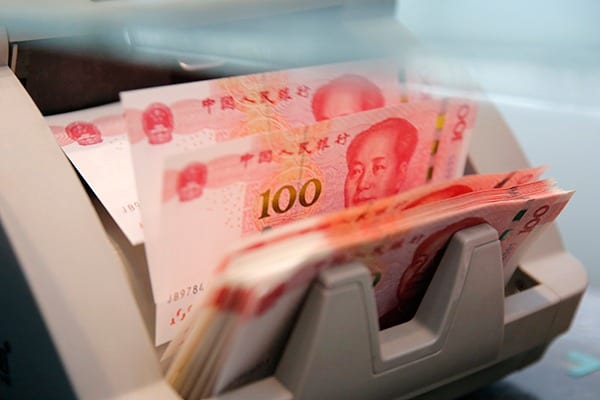
China's central bank has announced plans to increase the international use of the yuan and ensure its exchange rate remains stable throughout its 15th Five-Year Plan, which spans from 2026 to 2030. This initiative is designed to strengthen China's financial security and enhance the resilience of the global monetary framework, particularly as some observers perceive a weakening of the dollar-centric system. The strategy reflects a long-term vision for the yuan's role in international finance.
In parallel, the Bank of Japan (BOJ) held discussions regarding the possibility of accelerating interest rate hikes during its July policy meeting. According to a summary of the meeting, policymakers considered this move due to rising inflation risks. These deliberations have subsequently fueled market anticipation for a potential interest rate adjustment in September and have contributed to an increase in the yields of Japanese government bonds.