Key facts
- South Korea's central bank signaled a continued monetary tightening policy.
- Persistent high inflation is a key reason for the tightening stance.
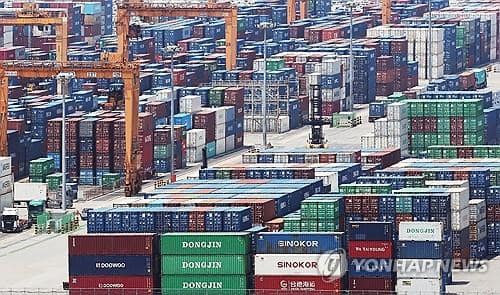
- Solid economic growth is expected, driven by strong exports.
- The Bank of Korea recently raised its benchmark interest rate.
- The benchmark interest rate is now 2.75%.
- The rate hike aims to combat escalating prices.
The Bank of Korea (BOK) has indicated its intention to maintain a tight monetary policy, citing ongoing concerns about high inflation and expectations of solid economic growth. This stance suggests that further interest rate hikes may be considered to manage price pressures. The central bank's decision is influenced by a forecast of continued strong economic expansion, primarily driven by the nation's robust export sector. To address escalating prices, the BOK recently implemented a rate hike, bringing its benchmark interest rate to 2.75%. This move is part of a broader strategy to control inflation and ensure economic stability amidst a complex global economic landscape. The bank's forward-looking assessments suggest that while inflation remains a primary concern, the underlying strength of South Korea's export market provides a positive outlook for economic growth. The commitment to monetary tightening reflects the BOK's dual focus on price stability and supporting sustainable economic expansion.