Key facts
- The Japanese yen approached 155 against the US dollar, nearing a level that typically prompts intervention.
- Japanese Finance Minister Satsuki Katayama expressed urgency regarding rapid and excessive currency movements.
- The Bank of Japan's monetary policy has been constrained by economic conditions and trade tensions.
- Prime Minister Sanae Takaichi's administration favors a weaker yen to boost export competitiveness.
- A sustained weak yen could lead to increased imported inflation and potentially larger US tariffs.
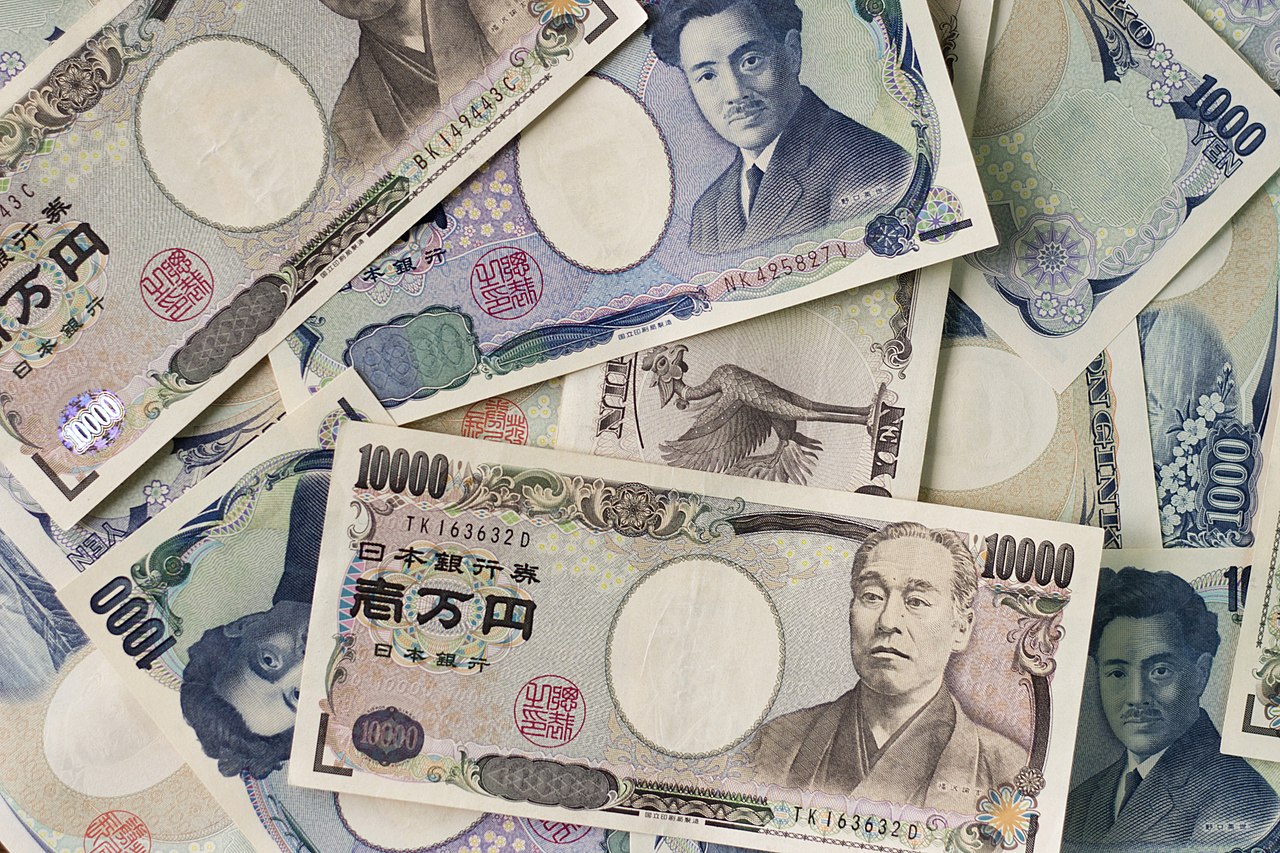
The Japanese yen has experienced a significant decline, approaching 155 against the US dollar, a level that historically prompts currency market intervention by Japanese authorities. Finance Minister Satsuki Katayama has voiced concerns about these rapid and one-sided moves, stating the government is watching with a high sense of urgency.
This weakening trend is influenced by Prime Minister Sanae Takaichi's focus on boosting exports through a lower yen, a strategy reminiscent of 'Abenomics.' Consequently, economists are revising down expectations for Bank of Japan rate hikes, with the central bank's current rate standing at 0.5% since January. The fallout from US President Donald Trump's trade policies has also played a role in keeping Bank of Japan Governor Kazuo Ueda on hold.
Analysts suggest that a continued yen slump could lead to increased imported inflation, currently around 3% and above the Bank of Japan's 2% target. It also risks provoking further tariffs from the Trump administration. Beyond immediate economic impacts, there are concerns that a prolonged period of yen depreciation may foster complacency within Japanese corporations and government, hindering necessary innovation and productivity improvements, as noted by the International Monetary Fund.