Key facts
- The yen strengthened sharply against the U.S. dollar, trading at 160.10 yen.
- The rapid appreciation has raised concerns about potential intervention by Japanese authorities.
The Japanese yen experienced a sharp appreciation against the U.S. dollar, rising 2% to 160.10 yen. This rapid move has alerted traders to the possibility of intervention by Japanese authorities to support the currency.
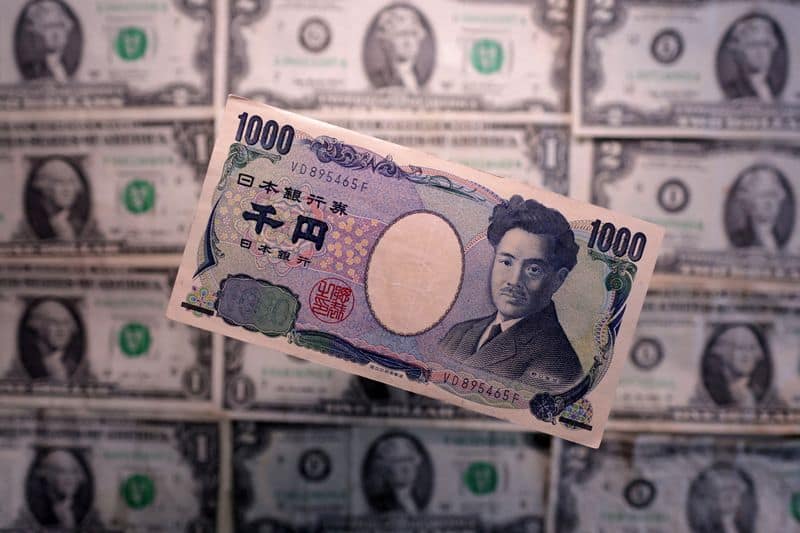
The yen's sharp appreciation signals potential currency market intervention by Japanese authorities, which could impact global currency flows and Japanese economic policy. It also highlights ongoing concerns about inflation driven by energy import costs.
The Japanese yen surged against the U.S. dollar on Thursday, with the dollar falling 2% to 160.10 yen. This significant and rapid move has alerted traders to the possibility of intervention by Japanese authorities aimed at supporting the weakening currency. Markets have been anticipating such action, as currency weakness exacerbates the impact of rising energy import prices on Japan's cost of living. Analysts suggest the sharp decline in dollar/yen indicates official intervention, with authorities potentially taking advantage of bearish momentum to sell dollars. The yen is trading near 40-year lows, pressured by Japan's relatively low interest rates and the hit to the nation's terms of trade from higher energy prices. The yen also strengthened against the euro, sterling, and Australian dollar.