Key facts
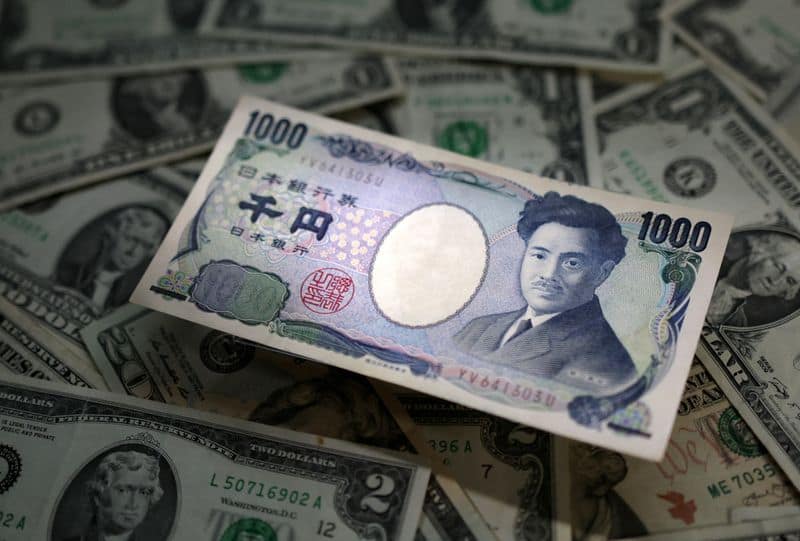
- The Japanese yen fell to 163.21 against the U.S. dollar, nearing a nearly 40-year low.
- Rising oil prices and U.S. Treasury yields are supporting the dollar.
- Japan previously engaged in record intervention in April and May when the dollar/yen crossed above 160.
- Analysts anticipate potential further intervention by Japanese authorities.
- The 30-year U.S. Treasury yield reached a two-month high of 5.15%.
The Japanese yen weakened past 163 per dollar on Wednesday, approaching a level not seen in nearly four decades and raising concerns about potential intervention by Japanese authorities. The dollar broadly strengthened overnight, supported by rising oil prices and U.S. Treasury yields, with the 30-year yield hitting a two-month high of 5.15% and benchmark 10-year yields reaching their highest since May at 4.64%.
Analysts suggest that the continuation of Middle East conflict could further support the dollar due to its safe-haven status and correlation with oil prices. Brent crude futures touched a six-week peak of $91.99 a barrel. The yen has been under pressure for years due to Japan's low interest rates and concerns about its fiscal health.
Japan previously intervened in currency markets in April and May when the dollar/yen rate crossed above 160. However, the impact of past interventions has been limited. HSBC analysts believe Japan may intervene again, but note that lasting impact is unlikely without hawkish shifts from the Bank of Japan or a return to a rate-cut bias from the U.S. Federal Reserve. They forecast dollar/yen to trade within a new range of 160-165, capped by periodic intervention but supported by negative real rates in Japan.