Key facts
- Federal Reserve Chair Kevin Warsh stated the central bank has no tolerance for persistently high inflation.
- Warsh reiterated the Fed's commitment to restoring price stability after five years of inflation above the 2% target.
- He did not provide specific details on future interest rate policy or actions.
- Warsh emphasized the importance of institutional independence for the Federal Reserve.
- June inflation data showed a monthly decrease in prices and an annual inflation rate of 3.5%.
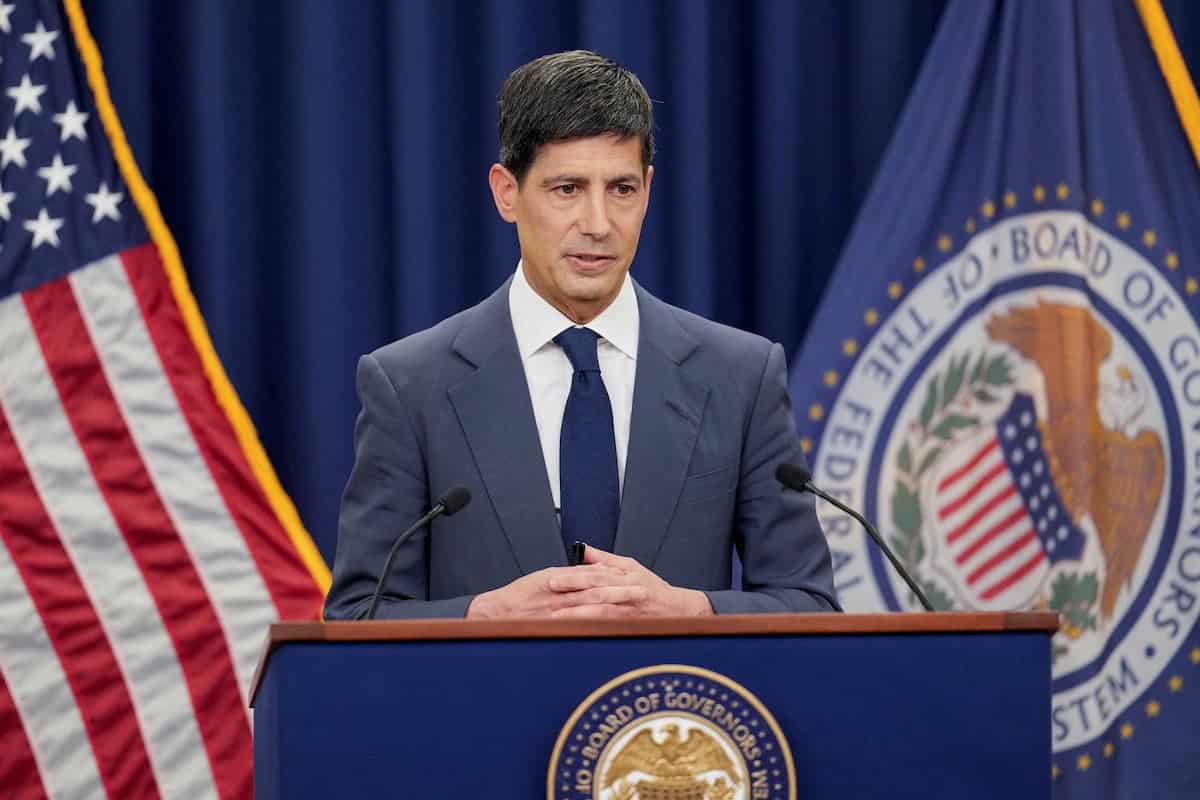
Federal Reserve Chair Kevin Warsh, in his first appearance before Congress since assuming the role, declared a firm stance against persistent inflation but offered no concrete signals on the central bank's future monetary policy actions. Warsh stated that the Fed has "no tolerance for persistently elevated inflation" and is resolutely committed to restoring price stability, which he described as a "tax on the American people and businesses" that needs to be eliminated through a "regime change in policy."
Warsh emphasized that the Fed's primary objective is to implement monetary policy correctly, aiming to make the recent surge in inflation a "thing of the past." He also highlighted the importance of the central bank's institutional independence, particularly in light of past criticisms from President Donald Trump. To enhance decision-making, Warsh has established five task forces focused on improving the Fed's internal functioning.
His remarks coincided with the release of June inflation data, which showed a monthly decrease of 0.4% and an annual rate of 3.5%, down from 4.2% in May. Core inflation, excluding volatile food and energy prices, remained unchanged month-over-month and rose 2.6% year-over-year, a positive sign but still above the Fed's 2% target. Despite the dovish inflation figures, the Federal Open Market Committee remains divided, with roughly half of its policymakers projecting interest rate hikes by year-end and the other half signaling unchanged or lower rates.