All NewsEducationTV
Equities & FundsCrypto & Digital AssetsAI & TechnologyBusiness & CorporateUS Politics & PolicyGeopolitics & Global RiskMacro, Rates & FXCommodities & EnergyEuropean Politics & MarketsAsia-PacificReal Estate & Property
Story archiveAll categories
← All Stories

US Jobs Data, Fed Policy, and Iran Conflict Influence Interest Rates

Created at 7 Aug · 10:06 AM1 source↑ Market-relevant
IN SHORT

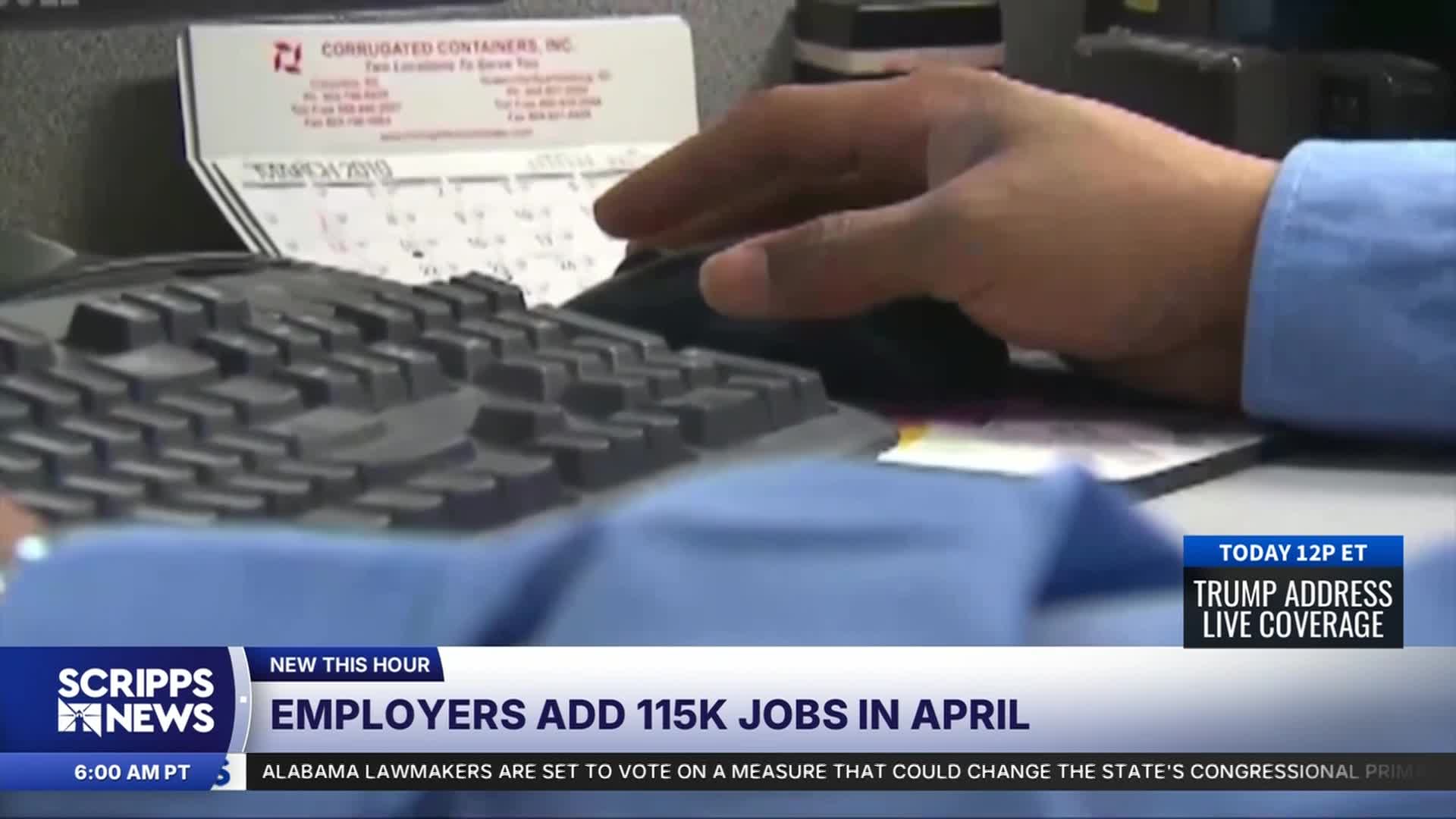
US employers added 115,000 jobs in April, exceeding forecasts despite global oil shocks from the Iran conflict. The unemployment rate remained at 4.3%, with average hourly earnings rising 3.6% year-over-year, aligning with the Federal Reserve's inflation target. The interplay of these factors is influencing current interest rate trends.

✉Newsletter

PiQ Daily

Pick your topics. Get only what matters, on your cadence.

Key Numbers

115,000jobs added in April
4.3%unemployment rate
37,000healthcare jobs added in April
30,000transportation and warehousing jobs added in April
$4.50average U.S. gasoline price
0.2%average hourly earnings increase from March
3.6%average hourly earnings increase from April 2025
61.8%labor force participation rate

Who's Involved

Sarah Wheeler
interviewer discussing interest rate drivers
Logan Mohtashami
Lead Analyst discussing interest rate drivers
President Donald Trump
associated with protectionist policies and tax cuts
Matthew Martin
of Oxford Economics commenting on job market break-even point
Heather Long
chief economist at Navy Federal Credit Union
US Jobs Data, Fed Policy, and Iran Conflict Influence Interest Rates

↳ Why This Matters

Understanding the factors influencing interest rates is crucial for investors, businesses, and consumers, as rate movements impact borrowing costs, investment decisions, and overall economic growth. The resilience of the U.S. job market amidst geopolitical and economic shocks suggests potential implications for future Federal Reserve policy.

Key facts

  • US employers added 115,000 jobs in April, exceeding the forecast of 65,000.
  • The unemployment rate held steady at 4.3%.
  • Average hourly earnings increased by 0.2% month-over-month and 3.6% year-over-year.
  • Healthcare and transportation/warehousing sectors saw significant job gains.
  • The Iran conflict has impacted global oil supplies and raised gasoline prices.

The drivers behind current interest rate movements are being closely examined, with factors including Federal Reserve policy, recent jobs data, and the geopolitical impact of the Iran conflict under scrutiny. U.S. employers added a surprising 115,000 jobs in April, surpassing forecasts of 65,000, despite significant disruptions to global oil supplies stemming from the Iran war. The unemployment rate remained stable at 4.3%.

While the conflict has sent average U.S. gasoline prices above $4.50 per gallon, its impact on the American job market has been less severe than anticipated. Healthcare led job gains with 37,000 new positions, followed by transportation and warehousing with 30,000. Conversely, manufacturers shed 2,000 jobs in April. Revisions to previous months' data also reduced payroll figures by 16,000.

The labor force participation rate declined to 61.8%, its lowest point since October 2021, attributed partly to Baby Boomer retirements and immigration policies. Experts suggest the economy now requires fewer new jobs to maintain current unemployment levels. Average hourly earnings saw a modest increase of 0.2% from March and 3.6% from April 2025, consistent with the Federal Reserve's inflation target.

Despite the oil shock, the job market is showing signs of recovery, boosted by consumer spending from tax refunds. However, hiring progress has been uneven, with strong months offset by significant job losses in February. Healthcare has been a dominant sector for job creation over the past year.

Frequently asked questions

U.S. employers added 115,000 jobs in April, exceeding the forecast of 65,000.

The unemployment rate remained at 4.3% in April.

The Iran conflict has disrupted global oil supplies, leading to gasoline prices above $4.50 per gallon, but has not significantly damaged the U.S. job market thus far.

Average hourly earnings rose 0.2% from March and 3.6% from April 2025, aligning with the Federal Reserve's inflation target.

What Happens Next

01Further analysis of Federal Reserve communications regarding future rate decisions.
02Monitoring upcoming inflation and employment data releases.
03Observing the ongoing impact of the Iran conflict on global energy markets.

Get the newsletter.

Pick the topics you actually care about. We'll email when there's news worth your time, on the cadence you choose. Cancel any time from your account.

Cadence
CME Headlines
  • 10-Year Treasury Note yields rose 6 bps as oil prices climbed.
    6 Aug · 9:40 PM
  • 10-Year Treasury Note yields rose 6 bps as oil prices climbed.
    6 Aug · 9:40 PM
  • Euro futures fell from weekly highs as dollar caught a bid.
    6 Aug · 9:28 PM

How It Developed

US employers added 115,000 jobs in April, surpassing expectations.
The unemployment rate remained at 4.3%.
Average hourly earnings rose 0.2% from March and 3.6% from April 2025.
Healthcare added 37,000 jobs and transportation/warehousing added 30,000 in April.
Manufacturers cut 2,000 jobs in April.
Labor Department revisions reduced February and March payrolls by 16,000 jobs.
The labor force participation rate dropped to 61.8%, the lowest since October 2021.
The Iran war has disrupted global oil supplies, increasing gasoline prices.

Sources

T1
What’s driving rates: the Fed, jobs data or the Iran conflict?HousingWire
T2
US employers added 115,000 jobs in April despite Iran war’s global oil shockscrippsnews.com

Related Stories

US stocks face inflation test as Fed rate hike bets rise
7 Aug · 10:05 AM
Dollar Rises on Iran Tensions and Fed Rate Hike Bets
7 Aug · 2:07 AM
Morning Bid: Deal Deja Vu
7 Aug · 10:46 AM
Fed Officials Divided on Interest Rates Amid Inflation Concerns
6 Aug · 3:06 PM
Stocks, dollar stall ahead of US jobs data; oil gains on Gulf tensions
7 Aug · 9:07 AM