Key facts
- Employers are facing a hiring disconnect due to a perceived lack of career readiness among job seekers.
- Despite 7.2 million unemployed Americans, 45% of employers admit they cannot fill open roles.
- A significant portion of graduates feel underqualified for entry-level positions due to skill gaps.
- Employers are increasingly adopting skills-based hiring, prioritizing competencies and non-degree credentials.
- Temporary Help Services employment has seen seven consecutive months of growth.
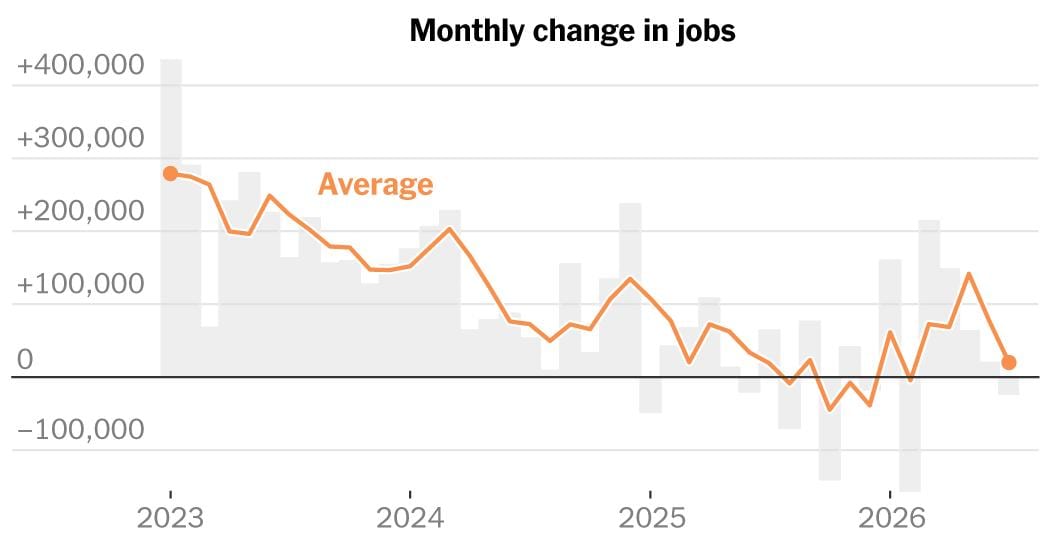
The U.S. labor market is experiencing a shift as employers become more hesitant to hire, despite a cooling economy. While there are 7.2 million unemployed Americans, a significant disconnect exists between available talent and employer needs. A recent report indicates that 45% of employers are unable to fill open roles, largely due to a perceived lack of career readiness and essential skills among job seekers. This has led to a notable increase in graduates feeling underqualified for entry-level positions, with many citing incomplete skill sets as a barrier to application.
In response, employers are evolving their hiring strategies, increasingly prioritizing skills and competencies over traditional degree requirements. A majority of employers believe that dropping degree mandates helps them find more qualified candidates, and they are seeing more applicants with non-degree credentials. Companies are also investing in skills-based hiring, seeking individuals with transferable skills or industry certifications. This approach aligns with the belief that workforce skills can be acquired through various means, including life experiences, internships, and specialized training.
Concurrently, the Temporary Help Services sector has seen seven consecutive months of growth, suggesting that employers are utilizing staffing agencies to fill immediate headcount gaps and navigate the current hiring landscape. This trend highlights employers' ongoing need for talent, even as they adjust their long-term hiring criteria.