All NewsEducationTV
Equities & FundsCrypto & Digital AssetsAI & TechnologyBusiness & CorporateUS Politics & PolicyGeopolitics & Global RiskMacro, Rates & FXCommodities & EnergyEuropean Politics & MarketsAsia-PacificReal Estate & Property
Story archiveAll categories
← All Stories

UK investors wary of Healey's £9bn annual borrowing plan

Created at 5 Aug · 2:26 PM1 source↑ Market-relevant
IN SHORT

Analysts warn that investors may be unimpressed by UK Chancellor John Healey's proposal to increase annual borrowing by £9 billion to fund investments in infrastructure and housing. While technically fitting fiscal rules, concerns remain about the UK's debt levels and the effectiveness of such spending.

✉Newsletter

PiQ Daily

Pick your topics. Get only what matters, on your cadence.

Key Numbers

£9bnannual increase in government borrowing
£110bnprojected debt interest payments

Who's Involved

John Healey
UK Chancellor proposing increased borrowing
Richard Carter
Head of Fixed Interest at Quilter
Oliver Faizallah
Head of Fixed Income for Raymond James
UK investors wary of Healey's £9bn annual borrowing plan

↳ Why This Matters

The UK's fiscal health and borrowing costs are sensitive to investor confidence. Increased borrowing, even for investment, could raise concerns about debt sustainability and potentially lead to higher interest rates on government debt, impacting the broader economy.

Key facts

  • UK Chancellor John Healey is reportedly planning to increase annual government borrowing by £9 billion.
  • The borrowed funds are intended for investments in infrastructure, housing, and business, distributed to mayors.
  • Analysts suggest investors may be unenthusiastic about the increased borrowing, citing the UK's fiscal position.
  • The proposal could technically fit within the Starmer-era fiscal rules by offsetting asset investments against liabilities.
  • Concerns exist that the government must demonstrate the return on investment for these assets to justify the borrowing.

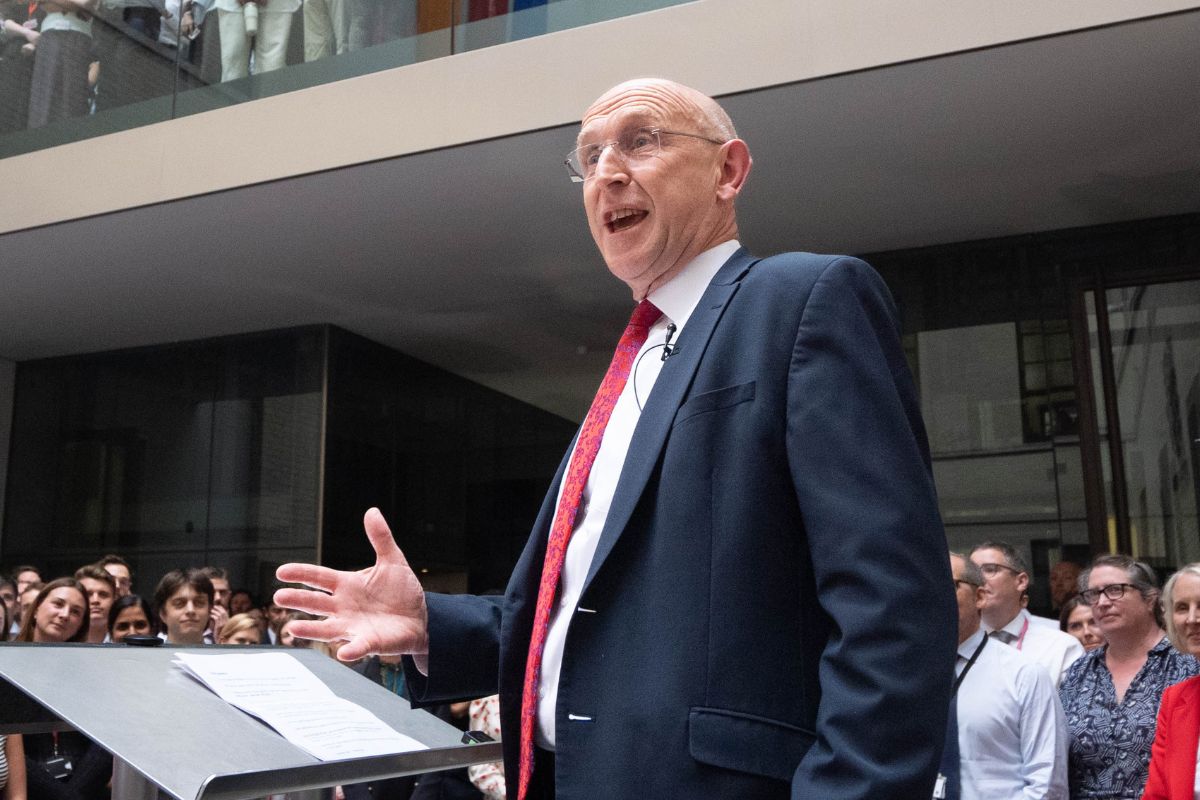
Investors may be hesitant about UK Chancellor John Healey's proposal to increase annual borrowing by £9 billion to fund investments in infrastructure, housing, and business. The plan, detailed in reports, aims to channel funds to mayors for local development.

While the spending could technically align with the current fiscal rules by offsetting asset investments against liabilities, analysts express skepticism. Richard Carter, head of fixed interest at Quilter, described the additional borrowing as 'small fry' in the broader fiscal picture but questioned its cost-effectiveness, suggesting alternative methods like encouraging retail gilt purchases.

Carter also noted that 'borrowing dressed up in new clothes is still borrowing,' and the UK's fiscal standing remains vulnerable to bond markets, potentially leading to higher gilt yields and substantial debt servicing costs. He indicated that markets might be more concerned with the government's continued preference for spending as a solution to economic malaise.

Oliver Faizallah, head of fixed income for Raymond James, anticipates some 'nervousness' among bond investors as budget speculations intensify. He highlighted that the government must effectively communicate and 'prove' that these investments will generate sufficient returns to justify the borrowing and meet fiscal rule requirements for liability offsetting.
Frequently asked questions

The plan involves increasing annual government borrowing by £9 billion to fund investments in infrastructure, housing, and business, with funds distributed to mayors for local projects.

The spending could technically fit within the Starmer-era fiscal rules as investments in assets can offset costs on the balance sheet, provided the asset's return is proven.

Investors may be concerned about the UK's overall fiscal position, the cost-effectiveness of borrowing for investment, and the need for the government to prove the returns generated by these assets.

Debt interest payments are projected to total more than £110 billion.

What Happens Next

01The government must communicate and prove the return on investment for proposed assets.
02Bond investors may demand higher interest payments on long-term bonds.
03The UK's debt servicing level is likely to remain substantial.

Get the newsletter.

Pick the topics you actually care about. We'll email when there's news worth your time, on the cadence you choose. Cancel any time from your account.

Cadence
CME Headlines
  • Markets hit record highs as rate hike odds drop.
    5 Aug · 4:57 PM
  • Markets hit record highs as rate hike odds drop.
    5 Aug · 4:57 PM
  • Markets hit record highs as rate hike odds drop.
    5 Aug · 4:57 PM

How It Developed

John Healey's proposal to increase annual borrowing by £9 billion for investments was reported.
The funds would be allocated to mayors for local investment in infrastructure, housing, and business.
Analysts expressed concern that investors may be unimpressed by the borrowing plans.
Richard Carter of Quilter called the additional borrowing 'small fry' but questioned cost-effectiveness.
Carter suggested encouraging retail investors to buy gilts as an alternative funding method.
Oliver Faizallah of Raymond James noted potential nervousness among bond investors ahead of the budget.
Faizallah stated the government must prove investments generate returns to satisfy fiscal rules.

Sources

T1
Investors ‘may be less than impressed’ by John Healey’s £9bn borrowing plansCity AM

Related Stories

US Borrowing Costs Hit 19-Year High After Fed Holds Rates
5 Aug · 12:06 AM
China's Hong Kong bond sale attracts global investors amid currency concerns
5 Aug · 12:06 AM
US swap futures see heavy interest amid concerns of prolonged higher rates
5 Aug · 2:57 PM
Dallas and New York Fed banks to pilot survey of private credit market
5 Aug · 4:42 PM
Japan PM Takaichi Urges BOJ to Buy More Bonds Amid Rate Concerns
5 Aug · 12:11 AM