All NewsEducationTV
Equities & FundsCrypto & Digital AssetsAI & TechnologyBusiness & CorporateUS Politics & PolicyGeopolitics & Global RiskMacro, Rates & FXCommodities & EnergyEuropean Politics & MarketsAsia-PacificReal Estate & Property
Story archiveAll categories
← All Stories

UK inflation set to rise to 2.9% in July on soaring energy costs

Created at 16 Aug · 9:06 AM1 source↑ Market-relevant
IN SHORT

UK inflation is projected to climb to 2.9% in July, up from 2.6% in June, driven by a significant increase in energy prices. Economists warn that this rise will complicate the Bank of England's efforts to reach its 2% inflation target.

✉Newsletter

PiQ Daily

Pick your topics. Get only what matters, on your cadence.

Key Numbers

2.9%projected UK inflation in July
2.6%UK inflation in June
£221increase in average annual energy bills
13%percentage rise in average annual energy bills
£1,862average annual energy bill after cap increase
0.5%inflationary impact from energy price hike
10%peak food inflation forecast for this year
0.4%UK economic growth in latest period
2%Bank of England inflation target
25 basis pointsexpected Bank of England rate hike

Who's Involved

Office for National Statistics (ONS)
to release July inflation figures on Wednesday
Ofgem
energy regulator that hiked the price cap
Ellie Henderson
economist at Investec warning of inflation rise
Thomas Pugh
chief economist at RSM on inflation and interest rates
Rachel Reeves
former Chancellor who unveiled savings scheme
Victoria Scholar
head of investment at Interactive Investor on BoE policy
Bank of England
central bank with a 2% inflation target
UK inflation set to rise to 2.9% in July on soaring energy costs

↳ Why This Matters

The projected rise in UK inflation, driven by soaring energy costs, signals persistent pressure on household budgets and complicates the Bank of England's efforts to control price increases and achieve its 2% target, potentially influencing future interest rate decisions.

Key facts

  • UK inflation is forecast to reach 2.9% in July, up from 2.6% in June.
  • The Ofgem energy price cap increase will add an estimated 0.5 percentage points to July's inflation.
  • Average annual household energy bills rose by £221 (13%) to £1,862.
  • Food inflation may increase later in the year due to crop shortages and potential El Nino effects.
  • UK economic growth slowed to 0.4% recently, signaling a potential slowdown.

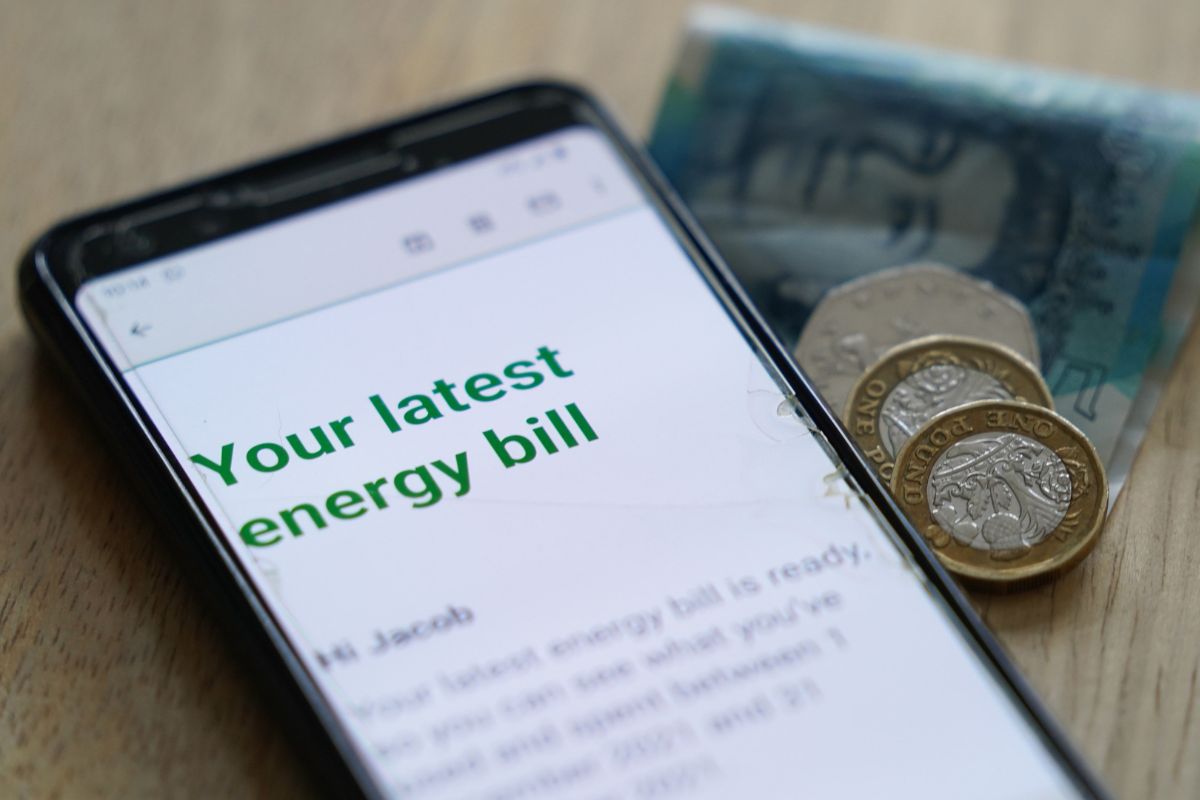
Inflation in the UK is expected to rise to 2.9% in July, a notable increase from June's 15-month low of 2.6%, according to economists. This surge is primarily attributed to a recent hike in the energy price cap by regulator Ofgem, which added £221 to average annual household gas and electricity bills, representing a 13% increase to £1,862.

Economists predict this energy price jump alone will contribute 0.5 percentage points to the July inflation figure. While falling motor fuel prices may offer some offset, the overall impact is expected to strain household budgets and complicate the Bank of England's monetary policy decisions. The central bank aims to bring inflation down to its 2% target.

Recent data showed UK economic growth slowing to 0.4%, raising concerns about a potential economic slowdown exacerbated by higher prices and borrowing costs. Food inflation, which had been a significant concern due to the Middle East conflict, might see a slight dip in July due to lower wholesale prices but is expected to rise again later in the year. Factors such as recent heatwaves affecting crop yields and the potential impact of an El Nino weather event could further push up food prices.

Government initiatives like the Great British Summer Savings Scheme, which reduced VAT on certain family attractions, are expected to have a minor dampening effect on inflation but are unlikely to prevent the headline rate from moving further away from the Bank of England's target. Analysts suggest the Bank of England may implement one 25 basis point interest rate hike by the end of the year to curb inflationary pressures.

Frequently asked questions

The UK inflation rate is projected to rise to 2.9% in July.

The primary driver is the recent increase in the Ofgem energy price cap, which raised average household energy bills.

The rise in inflation complicates the Bank of England's efforts to reach its 2% target and may lead to further interest rate hikes.

Food inflation may decrease slightly in July but is expected to rise again later in the year due to crop shortages and potential El Nino effects.

What Happens Next

01Office for National Statistics to release July CPI figures on Wednesday.
02Bank of England to consider further interest rate hikes to temper inflation.

Get the newsletter.

Pick the topics you actually care about. We'll email when there's news worth your time, on the cadence you choose. Cancel any time from your account.

Cadence
CME Headlines
  • Yield curve shifts and Fed minutes set the stage for.
    14 Aug · 8:47 PM
  • Yield curve shifts and Fed minutes set the stage for.
    14 Aug · 8:47 PM
  • Yield curve shifts and Fed minutes set the stage for.
    14 Aug · 8:47 PM

How It Developed

UK inflation is expected to rise to 2.9% in July.
The energy price cap was increased by Ofgem in July.
The World Cup and heatwaves boosted the UK economy over the summer.
UK economic growth slowed to 0.4% earlier this week.
Food inflation could rise later this year due to crop shortages and El Nino.
The government introduced a summer savings scheme cutting VAT on attractions.
The Bank of England is expected to implement one 25 basis point rate hike this year.

Sources

T1
Soaring energy bills set to fuel inflation spikeCity AM

Related Stories

UK inflation set to rise to 2.9% on soaring energy bills
16 Aug · 5:06 AM
US Employers Pull Back on Hiring Amid Rising Prices and Uncertainty
15 Aug · 9:06 PM
Japanese companies increase short-term debt holdings amid inflation
15 Aug · 3:31 PM
South Korean household credit likely surpassed 2,000 tln won in Q2
16 Aug · 2:16 AM