Key facts
- Rising crude oil prices and potential disruptions to shipping chokepoints are a key focus for markets.
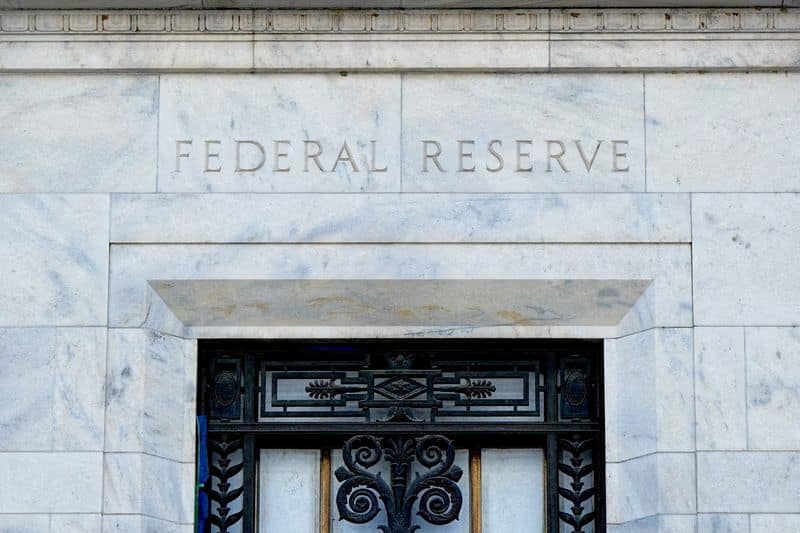
- The U.S. Federal Reserve is expected to maintain current interest rates.
- The Bank of Japan faces pressure to signal a more hawkish stance to support the yen.
- The Bank of England is anticipated to raise interest rates amidst rising inflation.
- A significant number of European companies are releasing earnings reports this week.
Markets are bracing for a busy week dominated by central bank policy decisions and a surge in energy prices, compounded by renewed U.S. tariffs. The U.S. Federal Reserve is expected to hold rates steady, but rising oil prices are fueling bets on future hikes. Meanwhile, the Bank of Japan faces pressure to adopt a more hawkish tone to address the yen's significant weakness, while the Bank of England is widely anticipated to increase interest rates amid persistent inflation. Europe's earnings season is in full swing, with a large portion of the STOXX 600 reporting, though much of the projected profit growth is attributed to the energy sector's performance driven by soaring oil prices. Geopolitical tensions in the Middle East, particularly concerning the Bab el-Mandeb strait, have sent crude oil prices above $100 a barrel, while new U.S. tariffs on goods from numerous trading partners add to market uncertainty. Investors will also be closely watching earnings reports from major U.S. technology companies, with a focus on AI spending trends, following a recent sell-off in Alphabet's shares due to cash flow and capital spending concerns.