HomeEverythingEducation
Equities & FundsCrypto & Digital AssetsAI & TechnologyBusiness & CorporateUS Politics & PolicyGeopolitics & Global RiskMacro, Rates & FXCommodities & EnergyEuropean Politics & MarketsAsia-PacificReal Estate & Property
Story archiveAll categories
← All Stories

Super El Niño officially declared, scientists warn of extreme weather

Created at 11 Jun · 8:55 PM2 sources↑ Market-relevant2 events
IN SHORT

US officials have declared the arrival of El Niño, with scientists warning it could be one of the strongest on record and potentially the most powerful of the century. The phenomenon is expected to peak in the fall or winter and could lead to record global temperatures.

✉Newsletter

PiQ Daily

Pick your topics. Get only what matters, on your cadence.

Key Numbers

0.5Cminimum temperature anomaly for El Niño conditions
2Ctemperature spike defining a 'super' El Niño
2.5Ctemperature surge in one past super El Niño event
63%chance of this El Niño ranking among largest on record
140 yearspotential strongest El Niño event in this timeframe
fivestrongest El Niño events on record (including 2023-24)
2 to 7 yearstypical frequency of El Niño events
9 to 12 monthstypical duration of El Niño events

Who's Involved

National Oceanic and Atmospheric Administration (NOAA)
US agency that officially declared El Niño's arrival
Celeste Saulo
World Meteorological Organization secretary general
Dr Paul Roundy
Professor of atmospheric and environmental sciences at SUNY Albany
Dr Andy Hazelton
Associate scientist at the University of Miami
Ken Graham
Director of NOAA's National Weather Service
Tom Di Liberto
Climate scientist and media director for Climate Central
Dr Joel Lisonbee
Senior associate scientist at the Cooperative Institute for Research at the University of Colorado Boulder
Super El Niño officially declared, scientists warn of extreme weather

↳ Why This Matters

El Niño's arrival signals a period of potentially extreme weather globally, impacting agriculture, water resources, and energy demand, and contributing to record-breaking temperatures.

Key facts

  • El Niño has officially arrived, according to US officials at the National Oceanic and Atmospheric Administration (NOAA).
  • Scientists predict this El Niño could be one of the strongest on record, potentially ranking among the largest since 1950.
  • The phenomenon is expected to peak in the fall or winter and could lead to record global temperatures.
  • El Niño alters weather patterns, causing severe storms in some regions and drought in others, with specific impacts varying globally.
  • Historically, El Niño has been linked to drought in Australia, Africa, India, and parts of South America, and heavy precipitation in the southern US.

US officials have officially declared the arrival of El Niño, with scientists warning it could be one of the strongest on record and potentially the most powerful of the century. This phenomenon, characterized by warming sea surface temperatures in the central and eastern tropical Pacific Ocean, is expected to peak in the fall or winter and could significantly impact global weather patterns.

El Niño is part of the El Niño-Southern Oscillation (Enso) cycle, which influences global weather every three to seven years. When sea surface temperatures rise at least 0.5C above average, it can cause massive atmospheric disruptions, altering jet streams and precipitation patterns. This can lead to severe storms and flooding in some regions, while others experience drought and heat.

Scientists are particularly concerned about the potential intensity of this El Niño, with some predicting it could be the strongest in 140 years. A 'super' El Niño, defined by sea surface temperatures spiking at least 2C above normal, has occurred only a few times since 1950. The 2023-24 El Niño was already among the five strongest on record and contributed to record global temperatures in 2024.

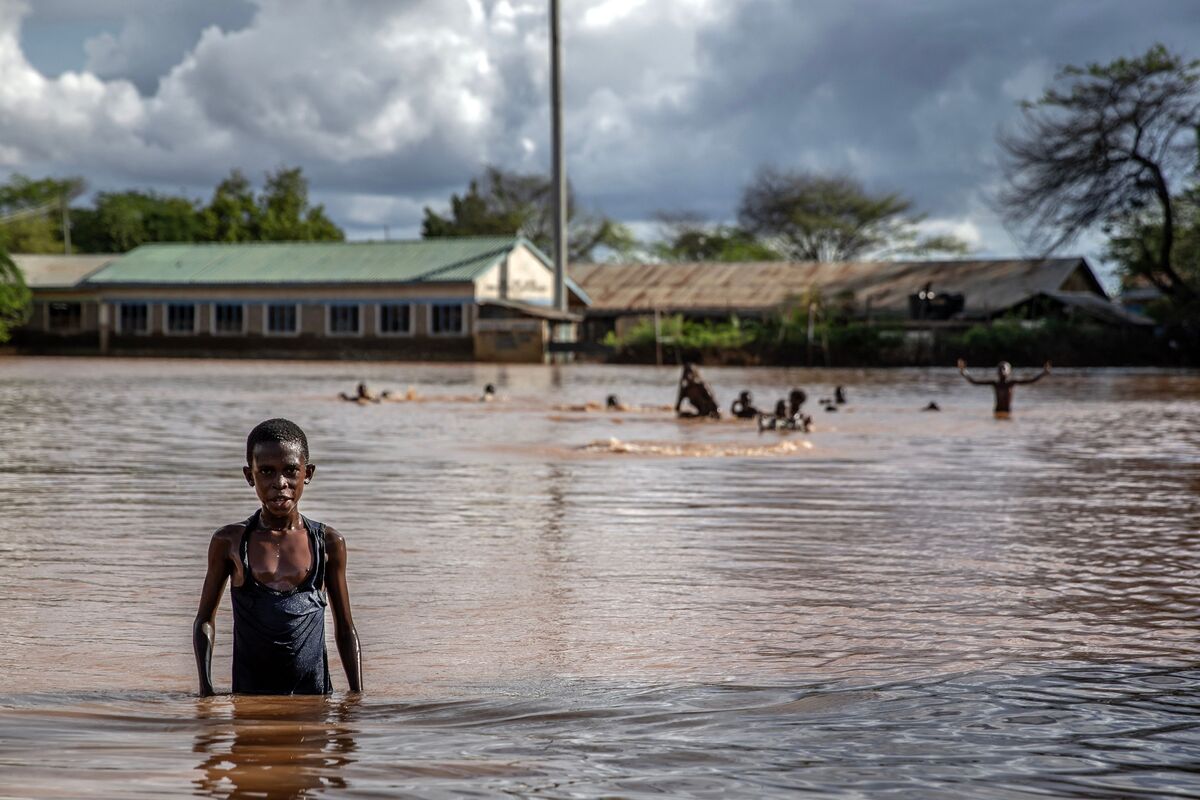
Expected impacts include drought and heat across Australia, southern and central Africa, India, and parts of South America, while the southern US, Middle East, and south-central Asia may see heavy precipitation. While increased rainfall could benefit drought-stricken areas in the US, experts caution that dry basins may not fully recover, and exceptionally wet conditions could lead to flooding and destruction.

Frequently asked questions

El Niño is a climate pattern characterized by the warming of the ocean surface in the central and eastern tropical Pacific Ocean. It is one of three states of the El Niño-Southern Oscillation (Enso) cycle.

El Niño events typically occur every two to seven years and usually last for nine to twelve months.

A 'super' El Niño, defined by significantly higher sea surface temperatures, can lead to supercharged extreme weather events such as severe storms, droughts, and record global temperatures.

Drought and heat are expected in Australia, southern and central Africa, India, and parts of South America, while the southern US, Middle East, and south-central Asia may experience heavy precipitation.

What Happens Next

01El Niño is expected to peak in the fall or winter.
02Forecasters will continue to monitor sea surface temperatures and atmospheric conditions.

Get the newsletter.

Pick the topics you actually care about. We'll email when there's news worth your time, on the cadence you choose. Cancel any time from your account.

Cadence
CME Headlines
  • 10-Year Treasury Note yields rose on Middle East supply risks.
    8 Jul · 8:03 PM
  • 10-Year Treasury Note yields rose on Middle East supply risks.
    8 Jul · 8:03 PM
  • Japanese Yen futures fell near multi-decade lows.
    8 Jul · 7:57 PM

How It Developed

US officials announced the arrival of El Niño.
Scientists predict this El Niño could be one of the strongest on record.
El Niño occurs when the atmosphere reacts to sustained warming of Pacific Ocean surface temperatures above normal levels.
The US Climate Prediction Center declared on June 11 that this response had been triggered.
The phenomenon is expected to peak in the fall or winter and could lead to record global temperatures.
El Niño alters weather patterns, causing severe storms in some regions and drought in others.
Historically, El Niño has been linked to drought in Australia, Africa, India, and parts of South America, and heavy precipitation in the southern US.

Sources

T1
A Rare ‘Super’ El Niño Is Looking More Likely. Here’s What to ExpectBloomberg
T1
‘Super El Niño’ is officially here, scientists say. What can we expect?The Guardian

Related Stories

June 2026 heat records broken in Europe and oceans, EU climate data shows
9 Jul · 5:10 AM
India consumer inflation likely topped RBI's 4% target in June: Reuters poll
9 Jul · 5:09 AM
IMF Downgrades Global Growth to 3% Amid Iran War, Inflation
8 Jul · 1:11 PM
IMF Warns Middle East Conflict Risks Stoking Inflation, Hurting Global Growth
8 Jul · 1:03 PM
Mexico expects economy to outperform IMF projections
8 Jul · 3:14 PM