Key facts
- The South Korean won surged against the U.S. dollar, reaching a nine-month high.
- Foreign investors purchased a net 7 trillion won (US$4.9 billion) in local stocks.
- The benchmark Korea Composite Stock Price Index (KOSPI) increased by 17.91 percent.
- The won's strength mirrored a rise in the Japanese yen.
- There is speculation that South Korean and Japanese authorities may have intervened in currency markets.
The South Korean won experienced a significant surge against the U.S. dollar on Friday, reaching its strongest level in nine months. This appreciation was primarily driven by substantial net purchases of local stocks by foreign investors, totaling 7 trillion won (US$4.9 billion). The benchmark Korea Composite Stock Price Index (KOSPI) reflected this foreign buying, skyrocketing 17.91 percent to close at 6,595.45.
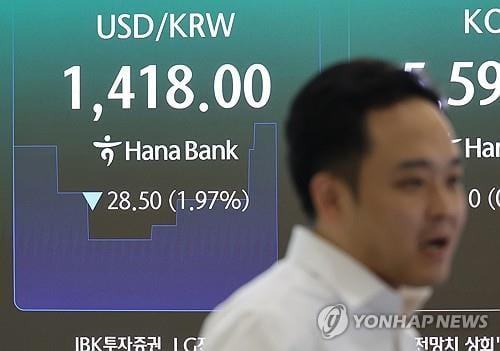
The won was quoted at 1,424 won per dollar at 3:30 p.m., up 13.4 won from the previous day, and had traded as high as 1,418 won per dollar earlier in the session. Traders speculated that authorities may have conducted market-smoothing operations to support the currency.
The won's upward movement occurred in tandem with a strengthening Japanese yen, which reached its highest level against the dollar in over two years. This correlation fueled speculation among analysts, such as Lee Min-hyuk from KB Kookmin Bank, that both South Korean and Japanese foreign exchange authorities might have intervened in the markets, potentially in coordination. Moon Ji-sung, deputy finance minister for international affairs, confirmed close coordination between South Korea and Japan but declined to confirm joint intervention.