Key facts
- Turkey's central bank held its benchmark interest rate at 37% for the fourth consecutive meeting.
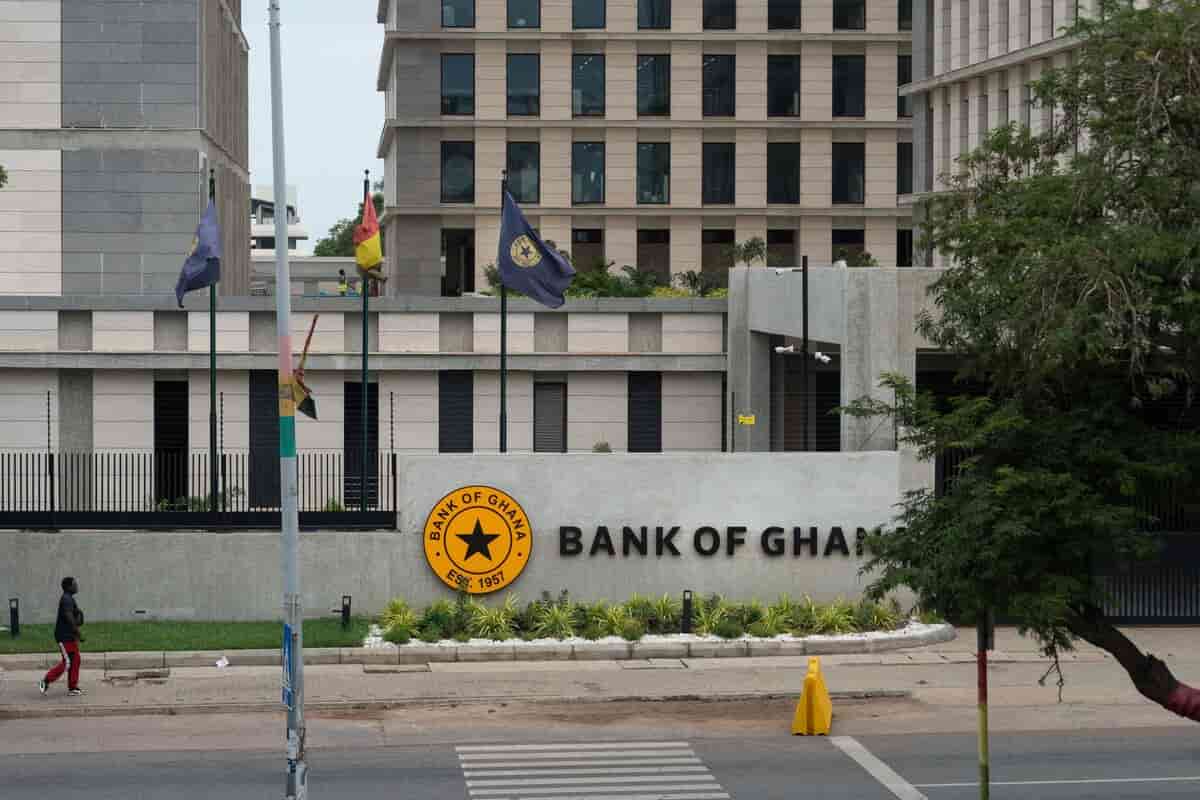
- Ghana's central bank maintained its benchmark interest rate at 14%.
- Rising energy prices and Middle East tensions are key concerns for Turkey's disinflation efforts.
- Ghana's consumer inflation accelerated to 5.3% in June.
- Goldman Sachs and Absa Group believe Ghana's central bank is unlikely to resume rate cuts this year.
- The South African Reserve Bank held its benchmark policy rate at 7%, defying expectations of a cut.
Turkey's central bank maintained its benchmark interest rate at 37% for a fourth consecutive meeting, as escalating Middle East tensions and rising energy prices threaten to undermine the country's efforts to control inflation. The decision by the Monetary Policy Committee, led by Governor Fatih Karahan, met the expectations of all surveyed analysts.
This move mirrors concerns in Ghana, where the central bank also held its benchmark rate at 14% due to similar inflation risks stemming from geopolitical instability. Goldman Sachs and Absa Group have indicated that Ghana's central bank is unlikely to resume policy easing this year. Consumer inflation in Ghana accelerated to a six-month high of 5.3% in June, up from 3.7% in May, interrupting a period of moderation. Disruptions in the Strait of Hormuz have led to price spikes in fuel and urea.
Ghana's central bank noted that the conflict has reignited volatility in energy markets, posing upside risks to inflation despite an improving macroeconomic outlook. The bank's target band for inflation is 6% to 10%. Ghana's international reserves declined to $12.9 billion at the end of June, sufficient for about five months of imports. Despite external headwinds, Ghana's economy is expected to expand by around 6% this year, though prolonged Middle East instability could impact this forecast.
The South African Reserve Bank defied expectations by holding its benchmark policy rate at 7%, aiming to support economic growth. Governor Lesetja Kganyago announced the decision, with only three of 20 economists surveyed by Bloomberg predicting a hold, while the rest anticipated a 25 basis point increase. The bank revised its inflation forecasts lower but warned that renewed Middle East conflict could necessitate further tightening.