Key facts
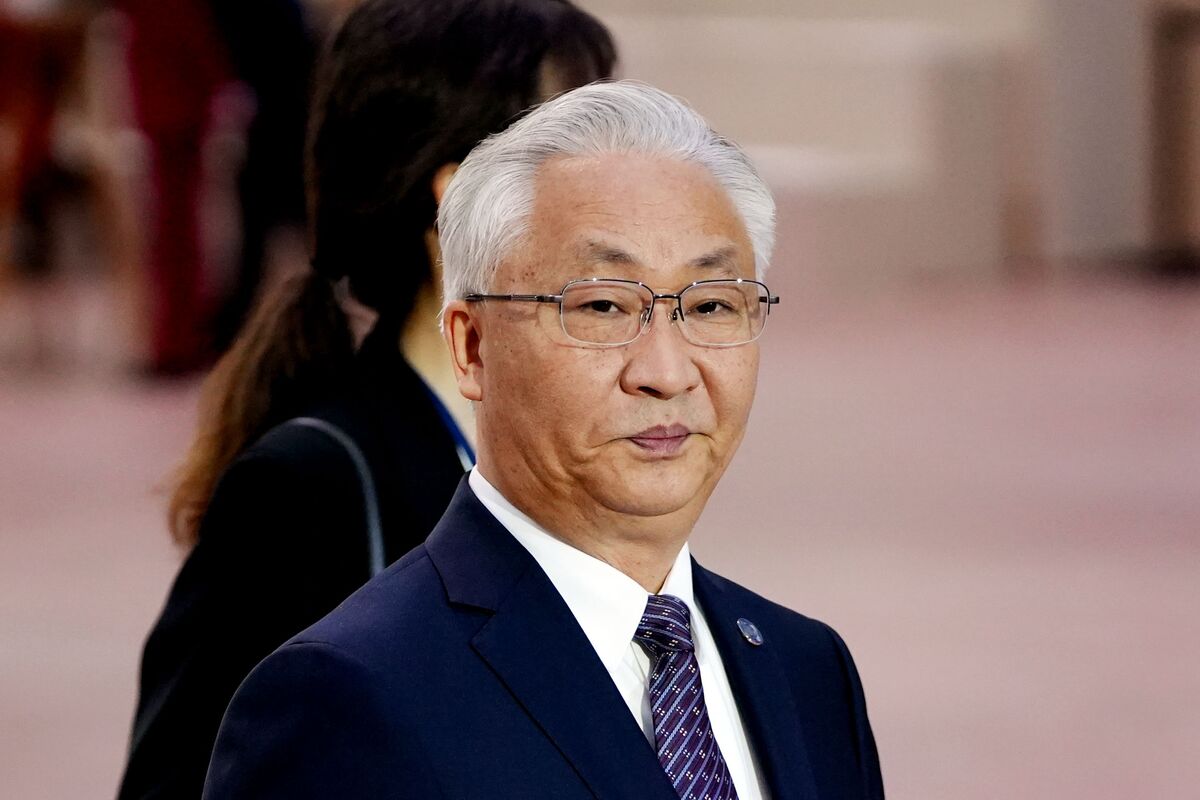
- China's Vice Premier Zhang Guoqing participated in a video conference on global economic imbalances hosted by French President Emmanuel Macron.
- Zhang emphasized cooperation, inclusive growth, and a free trade environment.
- Macron warned that unaddressed global imbalances could lead to disorderly economic and financial adjustments.
- The discussion precedes the G7 summit, where China's trade practices and economic disparities will be a key agenda item.
- EU leaders will convene after the G7 summit to decide on potential toughening of trade policy towards China.
- China defended its industrial policies and rejected claims of unfair state subsidies.
China's Vice Premier Zhang Guoqing engaged in a video conference with French President Emmanuel Macron to discuss global economic imbalances, emphasizing cooperation and inclusive growth just days before the G7 summit. Macron, hosting the summit, has sought a cooperative approach with Beijing before the European Union potentially tightens its trade policies toward China.
During the "Global Convergence for Growth" video conference, Zhang called for a free trade environment and an objective view of comparative advantages, stating China would continue to share development opportunities. Macron highlighted the risk of disorderly economic and financial adjustments if global imbalances are not addressed through coordinated action among major economies.
The G7 summit, followed by an EU leaders' meeting, will prominently feature discussions on China's economic practices, particularly its surging exports of electric vehicles, batteries, and other high-tech products, which European manufacturers view as a "second China shock." China has defended its industrial policies and rejected accusations of unfair state subsidies, asserting that other countries are undermining global trade rules with unilateral tariffs.
While China has engaged in high-level meetings with several G7 nations, Beijing has historically criticized the group. EU nations remain divided on their approach to China, with Germany, a major trading economy, showing reluctance to impose tariffs, although some German lawmakers are advocating for a tougher stance as Chinese carmakers increasingly compete with domestic manufacturers.