Key facts
- An intensifying El Niño event is developing in the tropical Pacific Ocean.
- Scientists warn this El Niño could be one of the strongest on record.
- The World Meteorological Organization (WMO) confirmed the onset of El Niño.
- El Niño is expected to cause above-average temperatures globally and fuel extreme weather.
- There is a risk of record global temperatures, potentially in 2027.
- The phenomenon can amplify impacts of climate change, leading to more severe extreme weather events.
New forecasts indicate a growing likelihood of a very strong El Niño event developing in the tropical Pacific Ocean, potentially leading to record global temperatures and significant humanitarian impacts. Data shows sea surface temperatures in parts of the Pacific are already warming rapidly, exceeding thresholds used to signal the onset of El Niño.
Forecasters, including the U.S. National Oceanic and Atmospheric Administration (NOAA) and Australia's Bureau of Meteorology (BoM), are increasingly confident that El Niño conditions will strengthen over the next few months, possibly peaking as a 'super El Niño' in the autumn. The European Centre for Medium Range Weather Forecasts (ECMWF) also aligns with these predictions, with over half of its models suggesting a temperature increase of more than 2.5C by autumn, which would be a historically strong event.
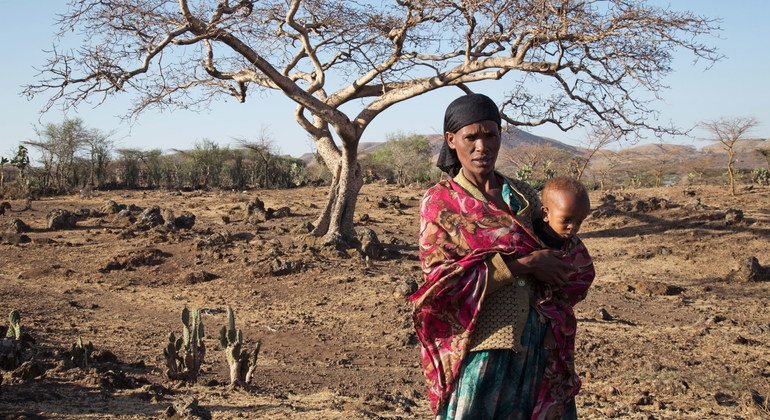
The World Meteorological Organization (WMO) has confirmed the onset of El Niño, warning that it will bring above-average temperatures globally and fuel more extreme weather. The WMO notes that while climate change does not increase the frequency or intensity of El Niño events themselves, it can amplify their impacts by providing more energy and moisture for extreme weather. The last El Niño in 2023-24 was among the five strongest on record and contributed to record global temperatures in 2024. Historically, strong El Niño events have caused severe droughts, famine, and widespread flooding, leading to millions of deaths.
Scientists are concerned about the potential consequences for global weather patterns, with some suggesting that 2027 could be the warmest year on record. El Niño events typically occur every two to seven years, lasting about nine to 12 months, and their impacts on global temperatures are usually most pronounced in the year following their development. The WMO urges countries to bolster early warning systems to prepare for the expected extreme weather.