Key facts
- The U.S. dollar is poised for its largest monthly gain in nearly a year.
- Demand for the dollar is supported by Middle East tensions and elevated Treasury yields.
- Oil prices increased due to shipping disruptions in the Strait of Hormuz.
- Key U.S. jobs data, including non-farm payrolls and the unemployment rate, are due this week.
- Market expectations have shifted away from U.S. rate cuts this year.
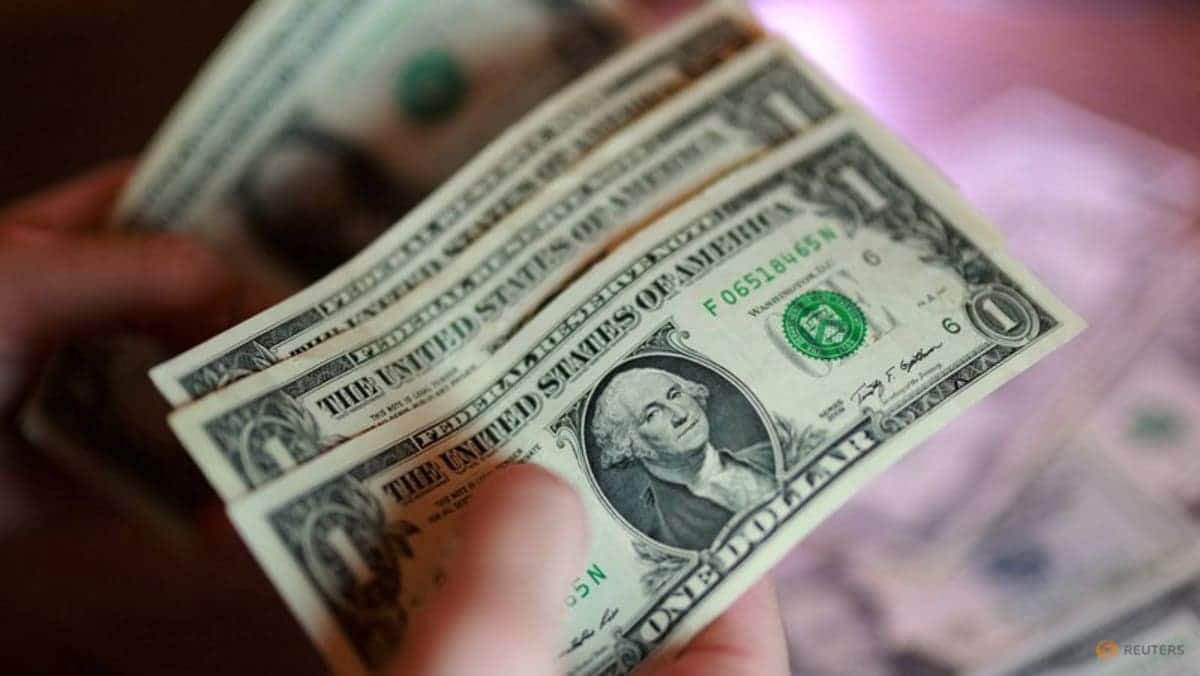
The U.S. dollar maintained its strength on Monday, positioning for its most significant monthly advance in nearly a year. This performance is attributed to ongoing tensions in the Gulf region and elevated Treasury yields, which have boosted demand for the greenback. Investors are closely monitoring upcoming U.S. non-farm payrolls and unemployment rate data for further indications of labor market health and potential Federal Reserve policy shifts.
Over the weekend, the U.S. and Iran engaged in verbal exchanges before agreeing to halt retaliatory attacks and hold discussions in Qatar on Tuesday. This fragile ceasefire has created investor nervousness. Concurrently, oil prices saw an increase on Monday due to strikes impacting energy shipping in the Strait of Hormuz, further supporting the dollar as a safe-haven asset.
The euro remained flat against the dollar, hovering around $1.1386, and is on track for a substantial monthly decline. Sterling also traded lower, heading for a monthly loss. Risk-sensitive currencies, including the Australian and New Zealand dollars, are experiencing significant monthly declines, with the yen continuing to trade near a four-decade low.
The dollar index, a measure of the greenback against a basket of major currencies, was steady near a 13-month high. The index is set for a 2.5% gain in June, its largest monthly increase since July of the previous year. The Middle East conflict has contributed to inflationary pressures, while a hawkish stance from Federal Reserve Chair Kevin Warsh has shifted market sentiment away from anticipated rate cuts this year, driving Treasury yields higher.
Analysts suggest that the dollar's strength is anchored by a 'high-for-longer' U.S. rates environment, following the Federal Open Market Committee's June meeting. This outlook is expected to keep the dollar's downside contained unless the Fed pivots to a dovish stance or U.S. macroeconomic data deteriorates significantly. A tech-led global equity selloff is also contributing to capital flows into the dollar as investors seek safety.