Key facts
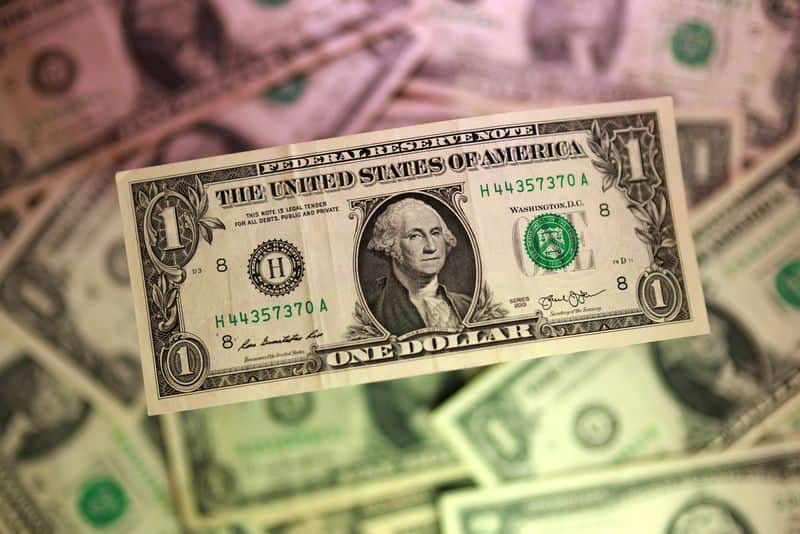
- The dollar strengthened against the yen and euro, driven by geopolitical tensions and speculation about U.S. interest rates.
- Doubts about a potential Iran peace deal involving the Strait of Hormuz boosted the dollar's safe-haven status.
- Rising Treasury yields also supported the dollar.
- Investors are awaiting U.S. nonfarm payrolls data for guidance on the Federal Reserve's monetary policy.
- Brent crude oil prices increased amid Middle East tensions.
- Iran is considering a bill to restrict passage through the Strait of Hormuz.
Asian shares showed little movement on Friday as investors awaited U.S. jobs data, which could influence the Federal Reserve's next interest-rate decision. Rising oil prices underscored ongoing Middle East tensions. MSCI's broadest index of Asia-Pacific shares outside Japan was flat, while Japan's Nikkei dropped. South Korea's KOSPI also slipped, though China's CSI 300 saw a modest gain. Investors are closely watching the U.S. nonfarm payrolls report, with forecasts centered on an 80,000 job increase for July after a 57,000 gain in June, and the unemployment rate expected to hold steady at 4.2%. A strong jobs number could reinforce expectations of higher-for-longer interest rates, while a soft report might lead to a dovish policy shift. Brent crude futures rose, influenced by renewed Middle East tensions, including an attack by Yemen's Houthis on Saudi Arabia and a proposed Iranian bill to restrict passage through the Strait of Hormuz. Higher oil prices contributed to a rise in Treasury yields.