Key facts
- Uninsured climate-related catastrophe losses in the EU are significant, impacting national budgets.
- Only a quarter of climate-related damages in the EU are covered by insurance.
- Economic losses from weather and climate extremes in the EU between 1980 and 2024 are estimated at €822 billion.
- The Spanish 2024 floods are estimated to cost 0.7% of GDP for reconstruction.
- Germany used €30 billion in public funds for the 2021 floods.
- Greece and Portugal are implementing measures to increase insurance coverage and risk management.
Europe's public finances are increasingly vulnerable to the economic fallout from volatile weather events, as the majority of climate-related damages remain uninsured. This situation places a significant burden on national budgets, potentially impacting GDP by 1-2% unless immediate action is taken.
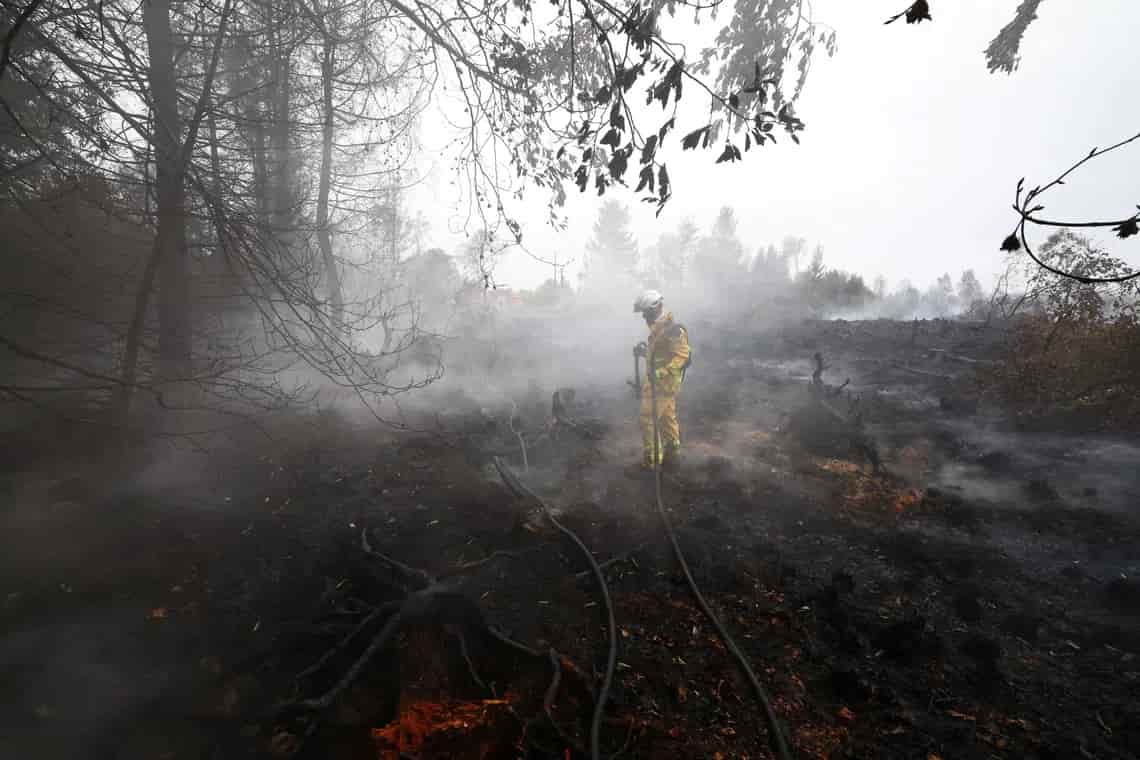
Catastrophic weather events, such as the 2026 wildfires in southwestern Europe and severe flooding in Spain in 2024 and Germany in 2021, are becoming more frequent and are adding to existing strains on European finances, including increased defense spending and the costs of an aging population. Federico Barriga-Salazar, head of Western Europe sovereign ratings at Fitch, noted that these events are transitioning from costly one-off budget items to regular expenses, creating policy trade-offs for fiscally constrained governments.
Between 1980 and 2024, weather and climate extremes caused an estimated €822 billion in economic losses within the European Union, with a quarter of this damage occurring in the last four years. The Spanish floods of 2024, described as the worst in five decades, are projected to cost 0.7 percentage point of output for reconstruction between 2024 and 2026. A significant challenge is the low level of insurance coverage, with only about a quarter of climate-linked catastrophe losses in the EU insured, and coverage in some countries falling below 5%. David Zahn, head of European fixed income at Franklin Templeton, expressed concern that this coverage level may decrease further as extreme weather becomes more common.
In response to these challenges, the EU is expected to release proposals for climate resilience and risk management. Greece is enhancing insurance coverage and reinforcing infrastructure in tourist areas vulnerable to heatwaves and wildfires. Portugal has announced plans for mandatory home insurance backed by a natural disaster fund following severe floods in early 2026. Catastrophe bonds are also being considered as a potential stopgap measure, allowing investors to receive returns but risk losing principal if a predefined event occurs, though this is viewed as an expensive gamble by some. Heather Grabbe, a senior fellow at Bruegel, emphasized the need for systematic risk management and adaptation investments, as well as cross-border risk pooling, to avoid creating perverse incentives for individuals and businesses to forgo insurance.