HomeEverything
Equities & FundsCrypto & Digital AssetsAI & TechnologyBusiness & CorporateUS Politics & PolicyGeopolitics & Global RiskMacro, Rates & FXCommodities & EnergyEuropean Politics & MarketsAsia-PacificReal Estate & Property
← All Stories

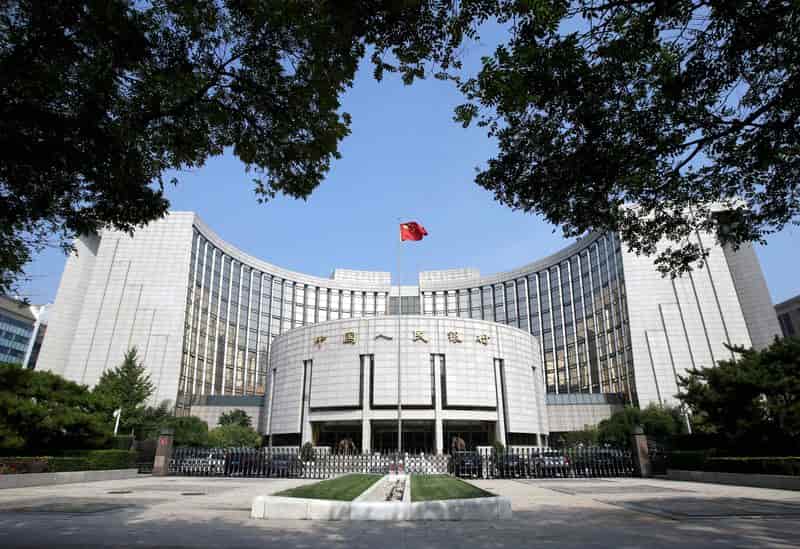
China's central bank debuts overnight reverse repo operations

Created at 29 Jun · 5:10 AM1 source↑ Market-relevant
IN SHORT

China's central bank launched overnight reverse repo operations for the first time, offering 300 billion yuan to financial institutions. Sources indicated the inaugural rate was set at 1.25%, below the seven-day tenor, signaling a move to better manage liquidity and reduce money market volatility.

✉Newsletter

PiQ Daily

Pick your topics. Get only what matters, on your cadence.

Key Numbers

300 billion yuanovernight reverse repo injection
44.10 billionUSD equivalent of injection
1.25%inaugural overnight reverse repo rate
157.5 billion yuanseven-day reverse repo injection
1.4%seven-day reverse repo rate
1.3533%benchmark overnight repo rate
2 basis pointsdecrease in benchmark overnight repo rate
80%overnight repo transactions in China's money market

Who's Involved

People's Bank of China
China's central bank that launched overnight reverse repo operations
Reuters
news agency reporting on the development
Lynn Song
Chief Economist for Greater China at ING
Xing Zhaopeng
Senior China Strategist at ANZ
Pan Gongsheng
PBOC Governor
China's central bank debuts overnight reverse repo operations

↳ Why This Matters

The introduction of overnight reverse repo operations by China's central bank provides a new tool for managing liquidity and stabilizing short-term borrowing costs, potentially influencing broader financial conditions and signaling policy intentions to the market.

Key facts

  • China's central bank initiated overnight reverse repo operations.
  • The People's Bank of China offered 300 billion yuan in its first overnight reverse repo operation.
  • Sources reported the inaugural overnight rate was 1.25%.
  • The PBOC also conducted seven-day reverse repos, injecting 157.5 billion yuan at an unchanged rate of 1.4%.
  • The move is seen as a way to better manage liquidity and reduce money market volatility.

China's central bank, the People's Bank of China (PBOC), has introduced overnight reverse repo operations, a move interpreted by markets as a deepening of its control over liquidity conditions and an alignment with global central banking practices. The PBOC stated it conducted these operations for the first time, offering 300 billion yuan ($44.10 billion) to financial institutions. Sources familiar with the matter indicated that the inaugural overnight reverse repo rate was set at 1.25%, which is 15 basis points lower than the seven-day reverse repo rate.

The PBOC also injected 157.5 billion yuan through seven-day reverse repos, maintaining the rate at 1.4%. The benchmark overnight repo rate traded in the interbank market was 1.3533% on Monday, down approximately 2 basis points from the previous day.

Analysts suggest that by not publicly announcing the overnight rate, the PBOC aims to preserve the signaling effect of its seven-day policy rate and avoid confusion about potential rate cuts. The introduction of the overnight rate is expected to help the central bank better manage liquidity, especially during periods of volatility at month- and quarter-ends, and enhance the effectiveness of monetary policy transmission.

PBOC Governor Pan Gongsheng had earlier this month expressed the central bank's intention to increase the variety of overnight reverse repo operations and narrow the range of short-term rates to reduce money market volatility. Industry experts cited by Financial News noted that strengthening control over short-term interest rates, given the dominance of overnight interbank lending, can improve monetary policy effectiveness.

Frequently asked questions

An overnight reverse repo operation is a tool used by central banks to temporarily absorb liquidity from the financial system by selling securities to financial institutions with an agreement to repurchase them the next day. This helps manage short-term interest rates and liquidity conditions.

The PBOC introduced overnight reverse repos to better manage liquidity conditions, reduce money market volatility, and enhance the effectiveness of its monetary policy transmission, especially during periods of rate volatility.

The 1.25% rate, reported by sources, is significant because it is lower than the seven-day reverse repo rate of 1.4%, suggesting a targeted approach to managing overnight borrowing costs and potentially signaling a cautious stance on broader rate cuts.

Many developed market central banks, such as the Federal Reserve, already use overnight rates as their primary policy rates to anchor the yield curve and manage short-term borrowing costs.

What Happens Next

01The PBOC will likely continue to adjust its overnight reverse repo operations to manage liquidity.
02Markets will monitor the PBOC's signaling and the evolution of short-term rates.
03Further policy rate adjustments may be signaled through changes in the overnight rate's spread relative to the seven-day rate.

Get the newsletter.

Pick the topics you actually care about. We'll email when there's news worth your time, on the cadence you choose. Cancel any time from your account.

Cadence
CME Headlines
  • Japanese Yen futures fell to log a 7th straight weekly loss.
    26 Jun · 8:24 PM
  • Japanese Yen futures fell to log a 7th straight weekly loss.
    26 Jun · 8:24 PM
  • 10-Year Treasury Note futures climbed to a seven-week high.
    26 Jun · 7:49 PM

How It Developed

China's central bank launched overnight reverse repo operations.
The People's Bank of China offered 300 billion yuan to financial institutions.
Sources indicated the overnight reverse repo rate was set at 1.25%.
The PBOC also injected 157.5 billion yuan through seven-day reverse repos at 1.4%.
PBOC Governor Pan Gongsheng had previously stated the bank would increase overnight reverse repo operations.

Sources

T1
China debuts overnight reverse repos at 1.25%, sources sayReuters

Related Stories

Sovereign Investors Pivot to Energy Assets, Flag Dollar Concerns
28 Jun · 11:09 PM
Dollar steadies as Gulf tensions, jobs data await; rupee, bonds eye Fed cues
29 Jun · 1:33 AM
BIS warns stablecoins risk fragmenting global monetary system
28 Jun · 9:05 AM
Asian markets mixed as AI doubts, Iran tensions cloud outlook
29 Jun · 4:43 AM
Korean won drops against dollar on U.S.-Iran conflict fears
29 Jun · 12:30 AM