All NewsEducationTV
Equities & FundsCrypto & Digital AssetsAI & TechnologyBusiness & CorporateUS Politics & PolicyGeopolitics & Global RiskMacro, Rates & FXCommodities & EnergyEuropean Politics & MarketsAsia-PacificReal Estate & Property
Story archiveAll categories
← All Stories

Brazil's big banks shun riskier lending as household debt strains grow

Created at 14 Aug · 4:16 PM1 source↑ Market-relevant
IN SHORT

Brazil's largest banks are becoming more cautious about extending credit, shifting towards secured products and higher-income borrowers. This move comes amid signs of a household debt crisis, even with a strong labor market and better-than-expected economic growth.

✉Newsletter

PiQ Daily

Pick your topics. Get only what matters, on your cadence.

Key Numbers

50%household debt burden of disposable income
1.5%median forecast for GDP growth next year
2%GDP growth this year
1%expected GDP growth in 2027
4,000 reaismonthly income threshold for reduced exposure
2.5times Brazil's minimum wage
70%of employed workers earn up to twice minimum wage
25%increase in high-value clients by 2030
6.9%Nubank loans over 90 days past due in Q2
6.5%Nubank loans over 90 days past due in previous quarter
$771.40monthly income threshold in USD
5.1854reais per US dollar

Who's Involved

Banco do Brasil
largest lender, shifting to payroll loans
Itau
largest lender, favoring secured lending
Bradesco
largest lender, becoming more selective with clients
Santander Brasil
largest lender, reducing exposure to higher-risk borrowers
Nubank
largest digital lender, reporting rise in past-due loans
Katherine Hennings
analyst at BRCG, commenting on credit cycle
Geovanne Tobias
vice president for finance at Banco do Brasil
Milton Maluhy Filho
CEO of Itau
Marcelo Noronha
CEO of Bradesco
Carlos Muniz
Chief Financial Officer of Santander Brasil
Tarciana Medeiros
CEO of Banco do Brasil
Luiz Inacio Lula da Silva
President of Brazil
Brazil's big banks shun riskier lending as household debt strains grow

↳ Why This Matters

Brazil's banking sector's shift away from riskier lending and towards higher-income clients and secured products could signal a slowdown in consumer spending and credit growth, potentially impacting the broader economy. This cautious approach reflects concerns about the sustainability of household debt levels and the economy's future trajectory.

Key facts

  • Brazil's largest banks are becoming more cautious about extending credit.
  • Lenders are shifting towards secured products and higher-income borrowers.
  • Household debt burdens are near record levels, around 50% of disposable income.
  • Banks are reducing exposure to lower-income clients and unsecured lending.
  • Some banks are focusing growth on payroll loans to reduce delinquency ratios.
  • Nubank reported a rise in loans more than 90 days past due.

Brazil's largest banks are adopting a more cautious approach to lending, signaling a shift towards secured products and clients with higher incomes. This strategic pivot comes as household debt levels remain near record highs, around 50% of disposable income, despite a robust labor market and an economy that is outperforming expectations.

Following earnings reports from major lenders like Itau, Bradesco, Santander Brasil, and Banco do Brasil, executives consistently conveyed a message of retreating from riskier borrowers and unsecured lending. This defensive stance suggests banks are preparing for a potentially more challenging phase of the credit cycle, after years where strong household borrowing fueled economic growth.

Analysts note that this caution reflects concerns that Brazil's economy may be entering a slower growth period, following an expansion partly driven by household leverage. Historically, periods of strong credit growth coupled with rising household debt have preceded deeper consumer spending slowdowns. The current situation is unusual because household finances have deteriorated significantly even with low unemployment and improving incomes.

Factors contributing to this trend include broader access to credit due to regulatory changes, fintech expansion, and digital payment adoption. Additionally, government policies aimed at boosting consumption and credit, particularly those championed by President Luiz Inacio Lula da Silva, have increased household leverage, often through higher-cost unsecured loans.

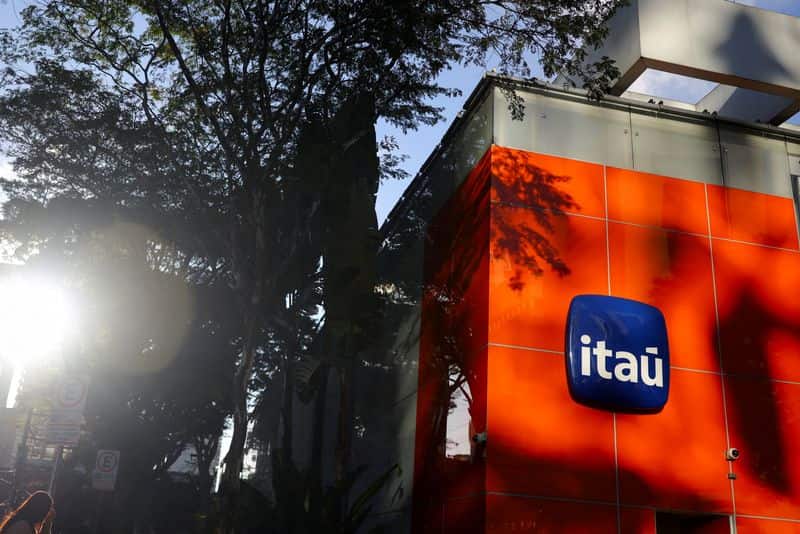
In response, banks are becoming more selective. Banco do Brasil executives indicated a focus on payroll loans to improve delinquency ratios. Itau's CEO warned that the volume of credit in the market exceeds its absorption capacity, leading the bank to favor secured lending. Bradesco's CEO stated a significantly lower appetite for lower-income clients, with a portfolio now more substantially backed by collateral. Santander Brasil is also reducing exposure to borrowers earning less than 4,000 reais per month, prioritizing collateralized transactions for higher-income clients.

Banco do Brasil's CEO highlighted increasing the number of "high-value clients" as a key strategic priority. Meanwhile, Brazil's largest digital lender, Nubank, reported a rise in its non-performing loans, though management remains optimistic about consumer health despite a cautious macroeconomic environment.

Frequently asked questions

Banks are growing more cautious due to signs of a household debt crisis, with debt burdens near record levels. They are also anticipating a slower phase of the credit cycle.

Banks are retreating from riskier borrowers and unsecured lending, such as credit cards and personal loans, particularly for lower-income clients.

Household debt burdens are hovering near record levels, accounting for approximately 50% of disposable income.

Banco do Brasil, Itau, Bradesco, Santander Brasil, and Nubank are mentioned in the context of their lending strategies and credit performance.

What Happens Next

01Banks will continue to monitor consumer delinquency ratios.
02Further economic data will inform future lending strategies.

Get the newsletter.

Pick the topics you actually care about. We'll email when there's news worth your time, on the cadence you choose. Cancel any time from your account.

Cadence
CME Headlines
  • Treasury futures gain as yields react to flat July PPI data.
    13 Aug · 9:18 PM
  • Treasury futures gain as yields react to flat July PPI data.
    13 Aug · 9:18 PM
  • BrokerTec Markets on CME Globex Notice: August 10, 2026
    13 Aug · 2:15 PM

How It Developed

Brazil's largest banks are growing more cautious on credit.
Lenders are shifting toward secured products and higher-income borrowers.
Household debt burdens are near record levels around 50% of disposable income.
Banks are reducing exposure to lower-income clients and unsecured lending.
Some banks are focusing growth on payroll loans to reduce delinquency ratios.
One bank noted that the volume of credit distributed is far above market capacity.
Nubank reported a rise in loans more than 90 days past due.

Sources

T1
Brazil's big banks shun riskier lending as household debt strains growReuters

Related Stories

China July bank loans contract for second time in 2026 on weak demand
14 Aug · 9:34 AM
Argentina Eases Bank Dollar Lending Rules for Companies
13 Aug · 7:02 PM
Argentina monthly inflation rises to 2.1% in July
13 Aug · 7:22 PM
US business inventories unchanged in June
14 Aug · 2:39 PM
US Retail Sales Unexpectedly Fell 0.6% in July
14 Aug · 12:40 PM