HomeEverythingEducation
Equities & FundsCrypto & Digital AssetsAI & TechnologyBusiness & CorporateUS Politics & PolicyGeopolitics & Global RiskMacro, Rates & FXCommodities & EnergyEuropean Politics & MarketsAsia-PacificReal Estate & Property
Story archiveAll categories
← All Stories

IMF flags central bank independence gaps in Middle East, Central Asia

Created at 1 Jun · 12:18 PM5 sources↑ Market-relevant5 events
IN SHORT

An IMF paper highlights the need for stronger central bank independence in the Middle East, Central Asia, and Caucasus to manage inflation amid geopolitical risks and fiscal pressures. Countries with robust safeguards are better equipped to handle unexpected shocks and prevent price increases from becoming entrenched.

✉Newsletter

PiQ Daily

Pick your topics. Get only what matters, on your cadence.

Key Numbers

0.5%inflation reduction linked to stronger independence
1 yeartimeframe for inflation reduction effect

Who's Involved

International Monetary Fund (IMF)
published paper on central bank independence
IMF staff
authors of the paper
IMF flags central bank independence gaps in Middle East, Central Asia

↳ Why This Matters

The IMF's findings underscore the critical role of independent central banks in maintaining price stability, especially in regions prone to geopolitical shocks and fiscal pressures, impacting global inflation dynamics and economic stability.

Key facts

  • IMF paper highlights need for stronger central bank independence in Middle East, Central Asia, and Caucasus.
  • Central banks face political pressure and government financing demands that can hinder inflation control.
  • Stronger central bank independence is linked to more effective inflation management, especially during shocks.
  • Improvements in independence are associated with inflation falling by about half a percentage point within a year.
  • The paper's findings are relevant as Middle East conflict revives price risks across vulnerable economies.

An International Monetary Fund paper released on June 2 suggests that central banks in the Middle East, Central Asia, and the Caucasus require enhanced protection from political interference and government financing demands to effectively manage inflation. The paper, prepared by IMF staff, notes that while it does not directly analyze the conflict between Iran and Israel, its findings are pertinent as rising energy costs, food price volatility, and fiscal pressures are testing central banks in regions where governments have limited capacity to shield citizens from inflation. The authors emphasize that central bank independence, coupled with a strong monetary policy framework, is crucial for managing inflation, particularly when faced with unforeseen shocks. They state that while central banks cannot prevent external price shocks, they can prevent them from becoming persistent, with improved independence leading to a notable reduction in inflation over time.

Frequently asked questions

The IMF paper recommends that central banks in the Middle East, Central Asia, and Caucasus need stronger protection from political pressure and government financing demands to effectively manage inflation.

Stronger central bank independence, alongside a robust monetary policy framework, is associated with effective inflation management and is particularly helpful when confronted with unanticipated shocks to inflation.

Meaningful improvements in independence were linked to inflation falling by about half a percentage point within a year, with the effect building over time.

What Happens Next

01Governments in the Middle East, Central Asia, and Caucasus may consider reforms to strengthen central bank independence.
02Further analysis of the impact of geopolitical shocks on regional inflation is expected.

Get the newsletter.

Pick the topics you actually care about. We'll email when there's news worth your time, on the cadence you choose. Cancel any time from your account.

Cadence
CME Headlines
  • 10-Year Treasury Note yields rose on Middle East supply risks.
    8 Jul · 8:03 PM
  • 10-Year Treasury Note yields rose on Middle East supply risks.
    8 Jul · 8:03 PM
  • Japanese Yen futures fell near multi-decade lows.
    8 Jul · 7:57 PM

How It Developed

2 Jun · 12:05 PM
IMF flags central bank independence gaps in the Middle East and Central Asia, linking it to inflation management amid price risks.
Reuters via PiQSuite
1 Jun · 3:07 PM
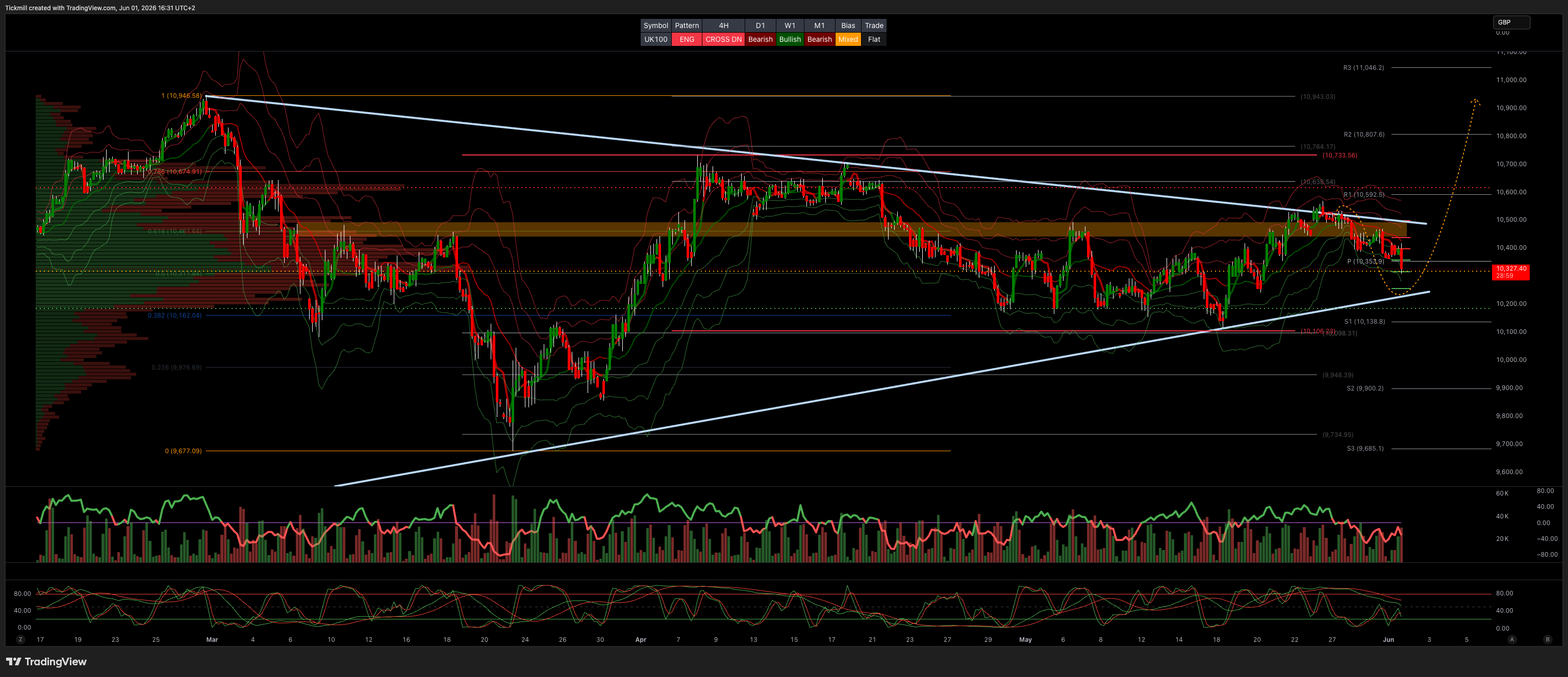
UK equities started June cautiously, with the FTSE 100 declining amid Middle East inflation risks and M&A activity.
Tickmill | Expert Blog via PiQSuite
1 Jun · 12:15 PM
Bank of England Governor Andrew Bailey confirmed the central bank is now watching public-sector pay for inflation risks due to its sustained faster growth.
PiQSuite
1 Jun · 12:15 PM
The Bank of England is monitoring public-sector pay growth due to inflation concerns, as it has outpaced private-sector pay for 12 consecutive months.
Reuters via PiQSuite

Sources

T1
Bank of England is watching public-sector pay for inflation risk, governor saysm.piqsuite.com
T1
FTSE 100 FINISH LINE 1/6/26m.piqsuite.com
T1
RT @Reuters: Bank of England is watching public-sector pay for inflation risk, governor says https://t.co/qv0xRYl8aS https://t.co/qv0xRYl8aS@LiveSquawk via PiQSuite
T1
IMF flags central bank independence gaps across Middle East, Central Asiam.piqsuite.com
T1
Bank of England is watching public-sector pay for inflation risk, governor saysm.piqsuite.com

Related Stories

BOK Governor Shin Hyun-song Signals Need for Rate Hike
9 Jul · 1:55 AM
China's central bank pledges accommodative policy amid weak demand, external shocks
8 Jul · 11:22 AM
India consumer inflation likely topped RBI's 4% target in June: Reuters poll
9 Jul · 5:09 AM
Fed Minutes: AI Demand Fuels Inflation Risk, Rate Hike Still Possible
8 Jul · 7:05 PM
Japan Considers BOJ Policy Wording Change Amid Independence Fears
8 Jul · 7:18 AM