Key facts
- South Korea's consumer prices increased by 3.2% in June compared to the previous year.
- This marks the highest inflation rate since December 2023.
- Fuel prices saw a significant rise of 24.7% in June.
- The Bank of Korea projects that inflation will ease in July.
- This expected easing is attributed to lower crude oil prices and government measures to stabilize consumer costs.
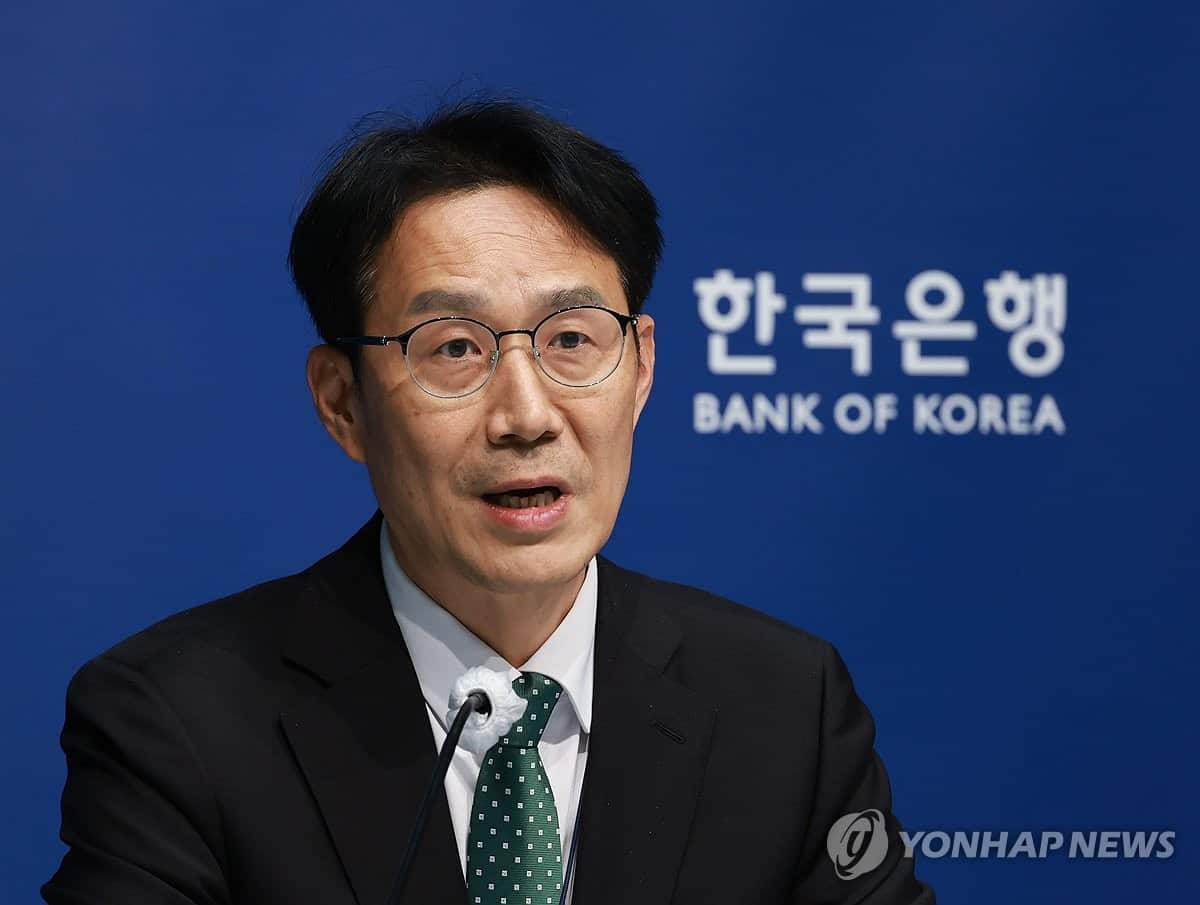
Inflation in South Korea is expected to ease in July, according to the Bank of Korea (BOK). This projection is supported by government initiatives to stabilize consumer prices and a decrease in crude oil prices, influenced by reduced tensions in the Middle East.
Despite these factors, the BOK noted that inflation is likely to remain elevated in the near term. Downward pressure from lower oil prices is anticipated to be counterbalanced by demand-side pressures stemming from economic growth.
Official data revealed that South Korea's consumer prices rose by 3.2% in June compared to the previous year, representing the steepest increase since December 2023. This follows a 3.1% rise in May. Fuel prices were a significant contributor, surging by 24.7% in June, the largest increase since July 2022, and accounting for 0.93 percentage point of the overall inflation figure. Prices for agricultural and fishery products also increased by 3.2%.