Key facts
- The Philippines Department of Foreign Affairs condemned the discovery of anti-China caskets.
- One of the caskets was found outside the Chinese embassy in Manila.
- China called the incident a "political provocation."
- The Philippines is debating a new education program on the South China Sea.
- Critics fear the education program may promote nationalistic viewpoints over factual history.
- Police forces from China and the Philippines are increasing cooperation.
- The police cooperation aims to strengthen law enforcement and security matters.
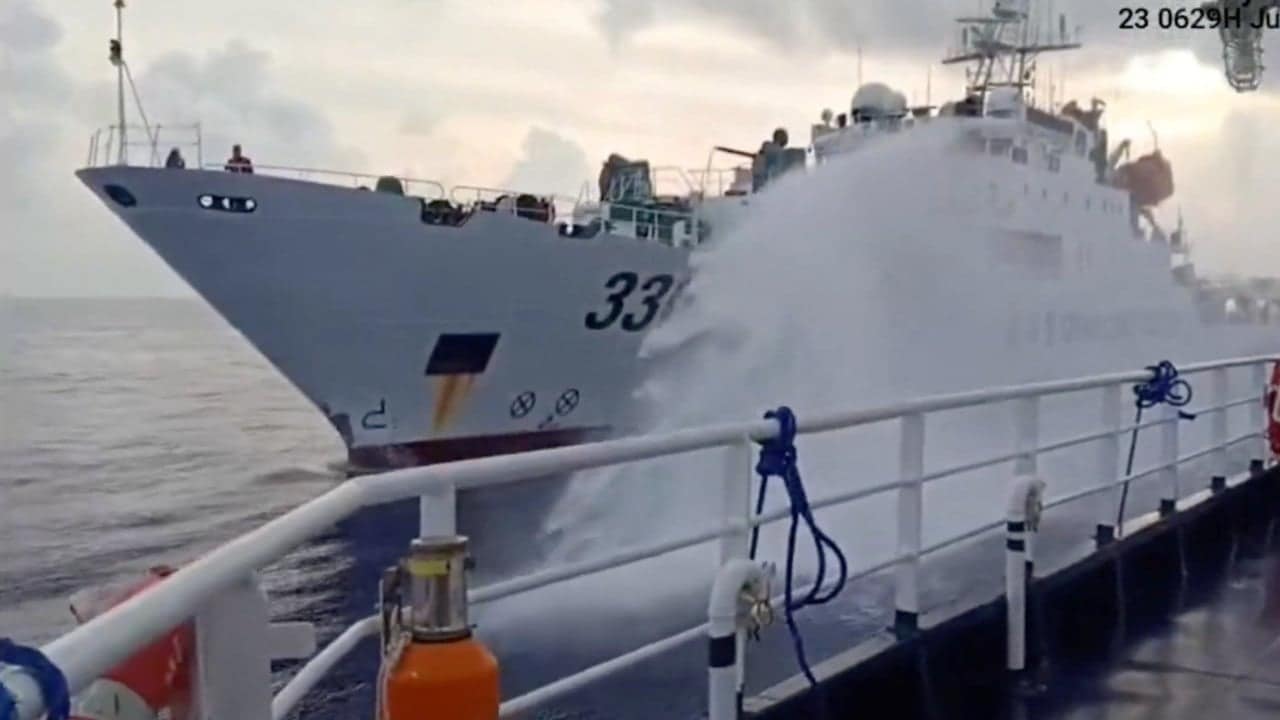
The Philippines' Department of Foreign Affairs has condemned the discovery of five caskets bearing anti-China messages in Manila, with one found outside the Chinese embassy. The department stated it does not condone threats of violence. China protested the incident, characterizing it as a "political provocation." This event unfolds against a backdrop of heightened tensions in the South China Sea. Concurrently, a new education initiative in the Philippines concerning the South China Sea is generating debate. Critics express concern that the program may blur the distinction between teaching historical facts and promoting a specific nationalistic narrative, potentially impacting academic freedom and international relations. Despite these ongoing maritime disputes and diplomatic incidents, police forces from China and the Philippines are actively boosting their cooperation. This initiative focuses on strengthening collaboration in law enforcement and security matters between the two nations, signaling a complex relationship characterized by both conflict and areas of mutual interest.