Key facts
- Jordan's army intercepted five missiles launched from Iran.
- Iran's Revolutionary Guard claimed responsibility for striking a U.S. air base in Jordan.
- This is the third consecutive day Jordan has faced aerial attacks.
- The U.S. military has resumed direct air strikes on Iran, targeting IRGC sites.
- U.S. Central Command confirmed strikes against Iranian military facilities, including surveillance systems, drones, and missile capabilities.
- Multiple explosions were reported across southern Iran, including Bandar Abbas and Qeshm Island.
- Two children were wounded in an attack on Qeshm Island.
- Iranian media reported a U.S. missile strike in an uninhabited area near Piranshahr, causing no casualties.
- Israeli Defense Minister Israel Katz stated that U.S. warplanes launched attacks on Iran from Israeli bases.
- The U.S. military intercepted an Iranian ballistic missile barrage targeting its forces.
- Admiral Brad Cooper warned troops that cellphone videos can aid Iran's targeting.
- Analysis of Chinese satellite imagery challenges claims of a U.S.-Iran war.
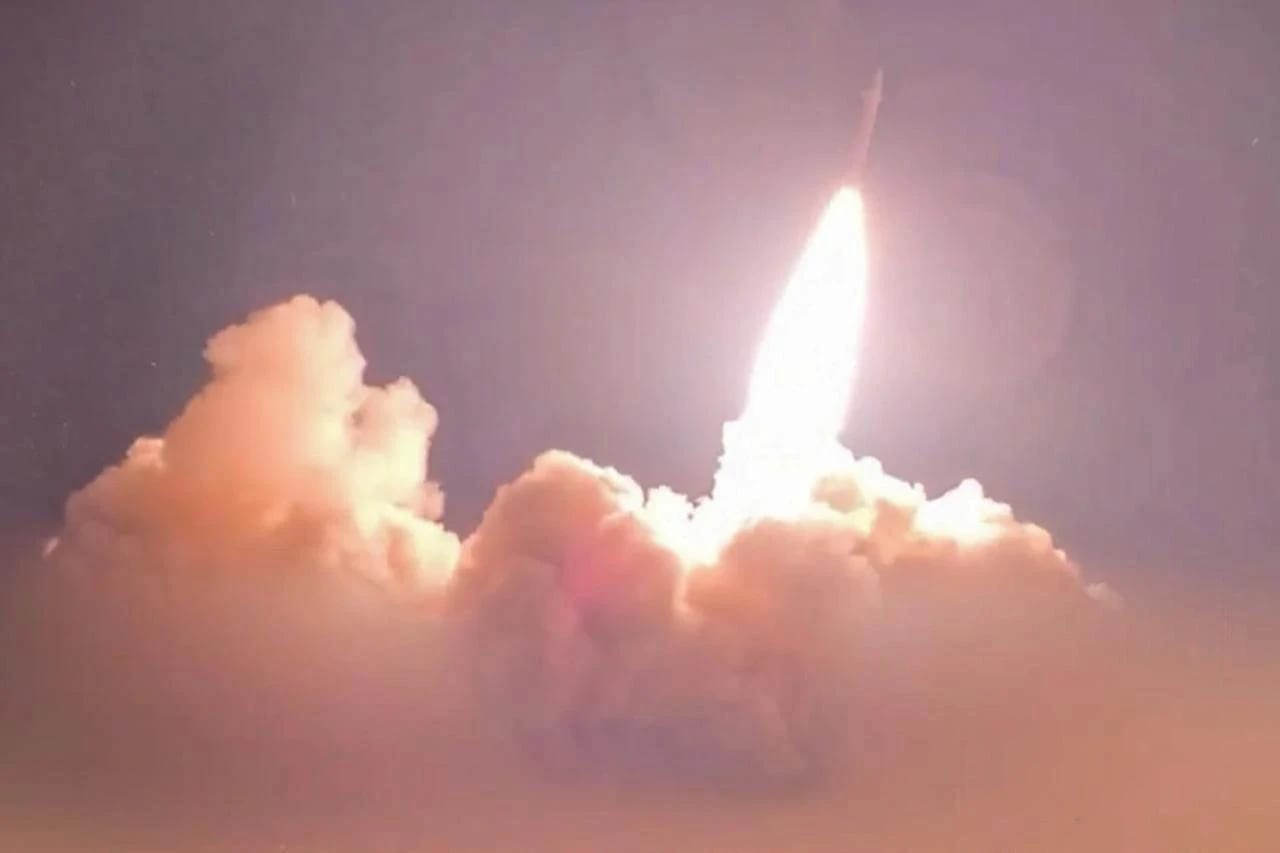
The United States military has resumed direct air strikes on Iran, targeting Islamic Revolutionary Guard Corps (IRGC) sites and military facilities. These actions are in retaliation for Iran's attempted attacks on U.S. troops in Jordan and other U.S. allies, marking an escalation in regional conflict. Jordan's army reported intercepting five missiles launched from Iran, with the IRGC claiming responsibility for striking a U.S. air base in Jordan. This incident represents the third consecutive day Jordan has faced aerial attacks.
U.S. Central Command confirmed strikes against Iranian military facilities, including surveillance systems, drones, and missile capabilities. Multiple explosions were reported across southern Iran, specifically in Bandar Abbas and Qeshm Island. One report indicates that two children were wounded in an attack on Qeshm Island. Additionally, Iranian media reported a U.S. missile strike in an uninhabited area near Piranshahr in northwestern Iran, which caused no casualties. These strikes follow earlier reports of U.S. and Israeli attacks on an Iranian missile base in Tabriz and a larger operation targeting Iranian nuclear sites.
Israeli Defense Minister Israel Katz stated that U.S. fighter jets and bombers recently launched attacks on Iran from Israeli bases, highlighting the U.S. use of Israel as a staging ground. Katz also issued a threat, vowing to strike Iran with full force if Israel is attacked. The U.S. military also reported intercepting an Iranian ballistic missile barrage targeting its forces in the Middle East. This occurred amid a brief pause in fighting and coincided with meetings between Donald Trump and leaders from Israel and Ukraine.
Admiral Brad Cooper, the top U.S. commander for the Middle East, warned troops that cellphone videos shared online could aid Iran in targeting American bases, potentially leading to casualties among U.S. service members. However, analysis of Chinese satellite imagery suggests that claims of a U.S.-Iran war may be inaccurate, as the imagery reportedly contradicts official statements regarding the conflict.