Japanese stealth fighters over Australia signal strategic pivot against China | PiQ Markets
4 storiesGeopolitics & Global Risk
Japanese stealth fighters over Australia signal strategic pivot against China
window 24h
IN SHORT
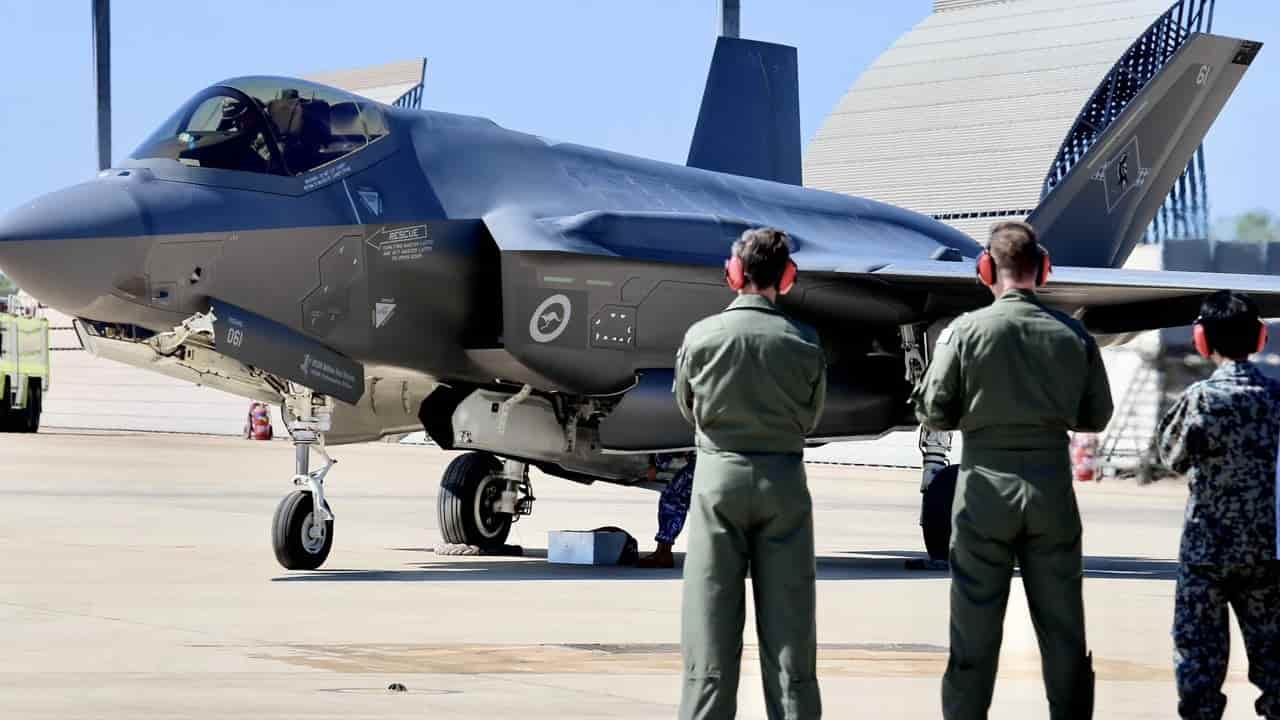
Japan has deployed stealth fighters to Australia for joint exercises, signaling a strategic pivot to counter China's assertiveness in the Indo-Pacific. This move deepens security ties between the two nations. Meanwhile, US-led drills involving Japan and South Korea bolster defense cooperation against regional challenges. Concurrently, China is accelerating its air power development with a fifth prototype of its J-36 fighter jet spotted, intensifying its race with the US. North Korea warns that the expansion of US Forces Japan risks a clash on the Korean Peninsula, accusing the US of preparing Japan for conflict.
✉Newsletter
PiQ Daily
Pick your topics. Get only what matters, on your cadence.
Who's Involved
Japan
Nation deploying stealth fighters and participating in joint exercises
Australia
Nation hosting joint military exercises with Japan
China
Nation developing J-36 fighter jet and facing regional assertiveness concerns
United States
Nation leading joint drills and in air power race with China
South Korea
Nation strengthening defense cooperation with Japan and US
North Korea
Nation warning about US Forces Japan expansion and Korean Peninsula risks
KCNA
North Korean state media outlet issuing warnings
1 / 3
Key facts
Japan deployed stealth fighters to Australia for joint exercises.
The deployment signals a strategic pivot to counter China's assertiveness.
Joint military exercises involving the US, Japan, and South Korea have strengthened defense cooperation.
A fifth prototype of China's J-36 fighter jet has been spotted.
China is accelerating its efforts in air power development.
North Korea criticized the expansion of U.S. Forces Japan command.
North Korea warned that a clash on the Korean Peninsula is a matter of timing.
North Korea accused the US of preparing Japan's Self-Defense Forces for conflict.
Japan's deployment of stealth fighters to Australia represents a significant strategic shift aimed at countering China's increasing assertiveness in the Indo-Pacific region. These joint exercises highlight the strengthening security relationship between Japan and Australia. In parallel, joint military exercises led by the United States have brought Japan and South Korea closer, reinforcing defense cooperation between these two Asian allies and presenting a united front against regional security challenges.
China is actively engaged in an air power race with the United States, evidenced by the spotting of a fifth prototype of its J-36 fighter jet. This development indicates an accelerated effort in China's military modernization and its ambition to enhance its aerial capabilities. The ongoing competition underscores the dynamic security landscape in the region.
North Korea has issued a strong warning regarding the expansion of U.S. Forces Japan command. State media outlet KCNA criticized the move, suggesting that a clash on the Korean Peninsula is now a matter of timing. The editorial further accused Washington of preparing Japan's Self-Defense Forces for conflict, predicting that U.S. Forces Japan would be among the first reinforcements deployed in such a scenario.
↳ Why This Matters
Japan's deployment of stealth fighters to Australia represents a significant strategic shift aimed at countering China's increasing assertiveness in the Indo-Pacific region. These joint exercises highlight the strengthening security relationship between Japan and Australia. In parallel, joint military exercises led by the United States have brought Japan and South Korea closer, reinforcing defense cooperation between these two Asian allies and presenting a united front against regional security challenges.
Frequently asked questions
The article does not specify the exact model of Japanese stealth fighters deployed.
The primary goal is to enhance interoperability and bolster the defense capabilities of Japan and Australia in response to China's regional assertiveness.
The deployment signifies a shift towards more proactive and coordinated defense strategies between Japan and Australia, directly addressing concerns about China's growing military power.
What Happens Next
01Further joint military exercises between Japan and Australia are expected.
02Increased diplomatic engagement between Japan, Australia, and other regional partners may follow.
03China is likely to respond to the increased military posturing in the region.
Get the newsletter.
Pick the topics you actually care about. We'll email when there's news worth your time, on the cadence you choose. Cancel any time from your account.