Key facts
- Israeli police have reportedly relaxed restrictions on Jewish prayer at the Al-Aqsa Mosque compound.
- Worshippers are now reportedly allowed to bring prayer books to the compound.
- The change is administered by Jordan's Waqf.
- The move is seen as a violation of the established status quo.
- The decision has drawn condemnation.
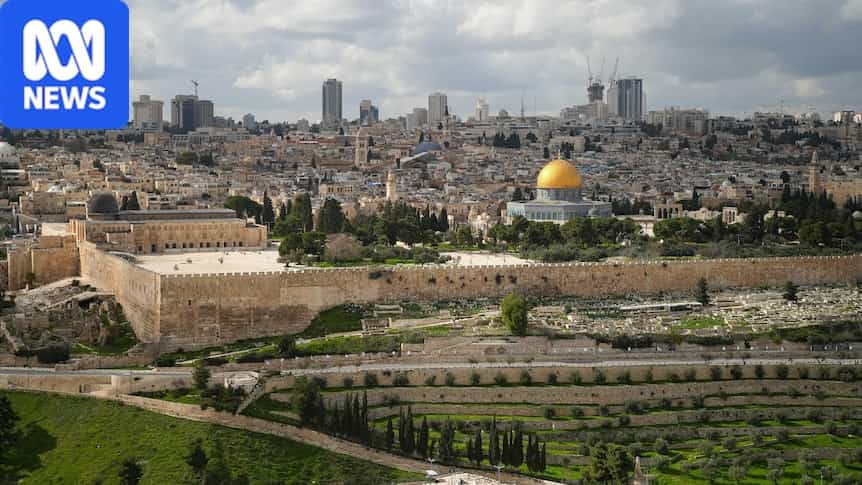
Israeli police have reportedly relaxed restrictions concerning Jewish prayer at the Al-Aqsa Mosque compound. The new guidelines permit Jewish worshippers to bring prayer books into the holy site. This change is administered by Jordan's Waqf, the Islamic trust that manages the compound. However, the move is widely perceived as a breach of the established status quo governing the site. Consequently, the decision has drawn significant condemnation.
The Al-Aqsa Mosque compound, known to Jews as the Temple Mount, is a deeply sensitive holy site. It is revered by Muslims as the third holiest site in Islam and by Jews as the holiest site in Judaism. The existing status quo, largely maintained since the 1967 Six-Day War, generally prohibits Jewish prayer at the site to avoid escalating tensions. Allowing prayer books and, by extension, prayer, marks a departure from these long-standing arrangements.
The administration of the compound by Jordan's Waqf is a key element in the delicate political and religious balance. The Waqf's role in implementing or overseeing changes, even under Israeli police directives, highlights the complex governance of the site. The condemnation stems from fears that such alterations could inflame religious and political tensions in the region, potentially leading to further unrest.