Key facts
- Iran is shifting its policy regarding the Strait of Hormuz to "fully offensive".
- Iran threatens military action to break the U.S. naval blockade.
- An interim peace deal with the U.S. is a condition for avoiding military action.
- The deadline for the interim peace deal is within weeks.
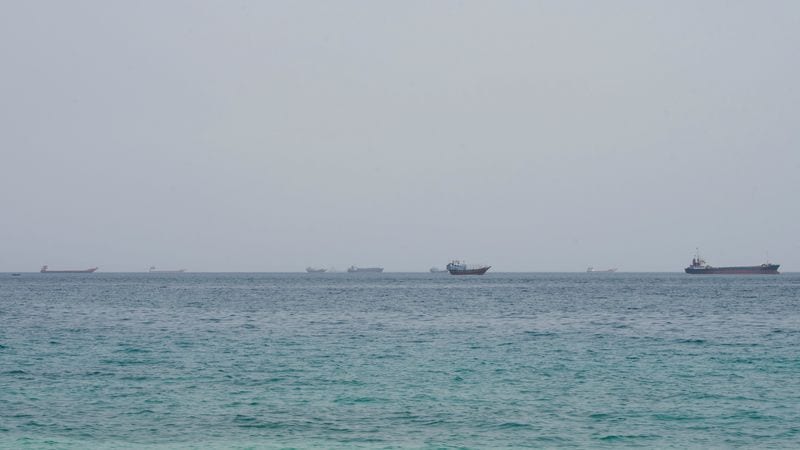
- Vessel traffic through the Strait of Hormuz has significantly slowed.
- Iran and Oman are nearing an understanding on a plan for ships to transit the Strait of Hormuz.
- Details of the Iran-Oman agreement are being finalized.
- The U.S. has made the full reopening of the Strait of Hormuz a key demand.
- It is uncertain if the Iran-Oman agreement will meet U.S. criteria.
Iran has indicated a policy shift towards a "fully offensive" stance concerning the Strait of Hormuz, driven by stalled peace talks with the U.S. A senior Iranian official has threatened military action to break the U.S. naval blockade if an interim peace deal is not implemented within weeks. This potential escalation coincides with a significant slowdown in vessel traffic through the Strait of Hormuz, a critical global shipping lane.
In parallel, Iran announced progress in negotiations with Oman, stating that both nations are nearing an understanding on a plan to manage ship transits through the Strait of Hormuz. Details of this proposed agreement are reportedly being finalized. The U.S. has designated the full reopening of this vital waterway as a key demand in ongoing diplomatic discussions. However, it remains uncertain whether the emerging agreement between Iran and Oman will meet Washington's criteria for a complete and unimpeded reopening of the Strait.