Key facts
- Iran is in the final stages of a deal with Oman to define new shipping lanes in the Strait of Hormuz.
- The reopening of the Strait of Hormuz is conditional on the United States meeting Iran's demands.
- Iran's demands include compensation for past actions.
- Iran's demands include an end to sanctions.
- Iran's demands include the release of frozen assets.
- Vessel traffic through the Strait of Hormuz has declined.
- The decline in traffic is due to rising tensions and uncertainty over U.S.-Iran talks.
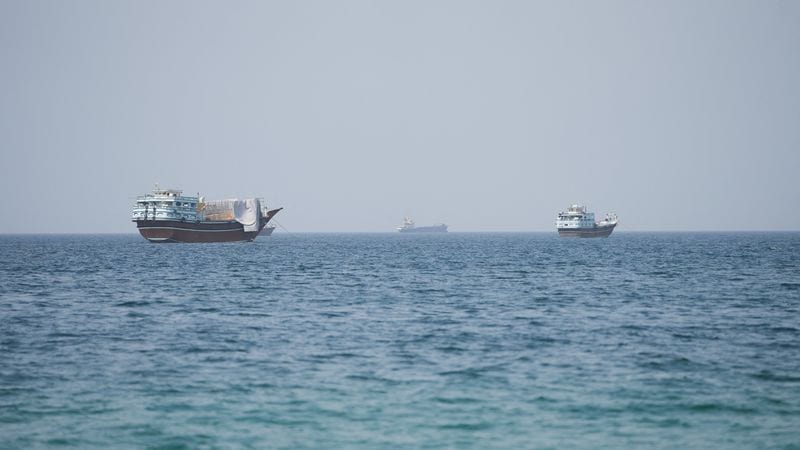
Iran announced that an agreement with Oman to define new shipping lanes in the Strait of Hormuz is in its final stages. However, the reopening of the vital waterway is conditional upon the United States fulfilling a set of demands put forth by Tehran. These conditions include providing compensation for past actions, ending sanctions against Iran, and releasing frozen assets. The Strait of Hormuz is a critical chokepoint for global oil shipments, and its potential closure or restricted access has significant implications for international trade and energy markets. Vessel traffic through the strait has already experienced a decline amid heightened tensions and the ongoing uncertainty surrounding U.S.-Iran negotiations. The Revolutionary Guard Corps (IRGC) has reiterated that the Strait of Hormuz will remain closed until all of Tehran's demands are met by the U.S. The situation reflects the complex geopolitical dynamics and ongoing disputes between the two nations, impacting regional stability and global maritime security.