Key facts
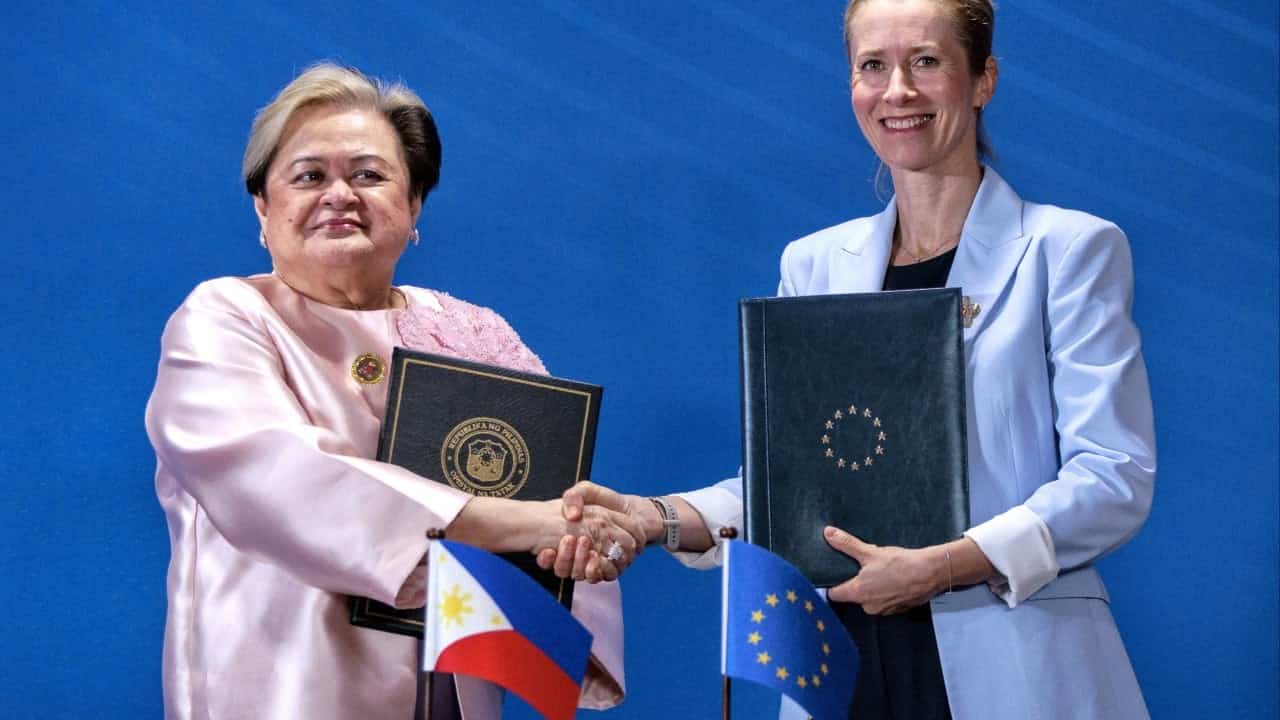
- The European Union is providing $17 million in maritime aid to the Philippines.
- The aid aims to bolster the Philippines' capacity to respond to regional security challenges.
- The aid is seen as a strategic move to counter growing tensions in the Indo-Pacific.
- Philippine Defence Secretary Gilberto Teodoro Jr. voiced concerns about Chinese teaching exchanges.
- Teodoro Jr. described these exchanges as a potential "grey-zone" tactic.
- The tactic is seen as aimed at influencing public opinion and potentially undermining national sovereignty.
The European Union is offering $17 million in maritime aid to the Philippines, a move designed to strengthen the nation's capacity to address escalating regional security challenges. This assistance is strategically positioned to counter the growing tensions observed within the Indo-Pacific. The aid package underscores the EU's commitment to supporting its partners in navigating a complex geopolitical landscape.
In parallel, Philippine Defence Secretary Gilberto Teodoro Jr. has raised alarms regarding Chinese government-sponsored teaching exchanges within the Philippines. He characterizes these exchanges as a potential "grey-zone" tactic, suggesting they aim to subtly influence public opinion and potentially erode national sovereignty. This warning from the defence chief points to concerns about non-military forms of pressure and influence operations.