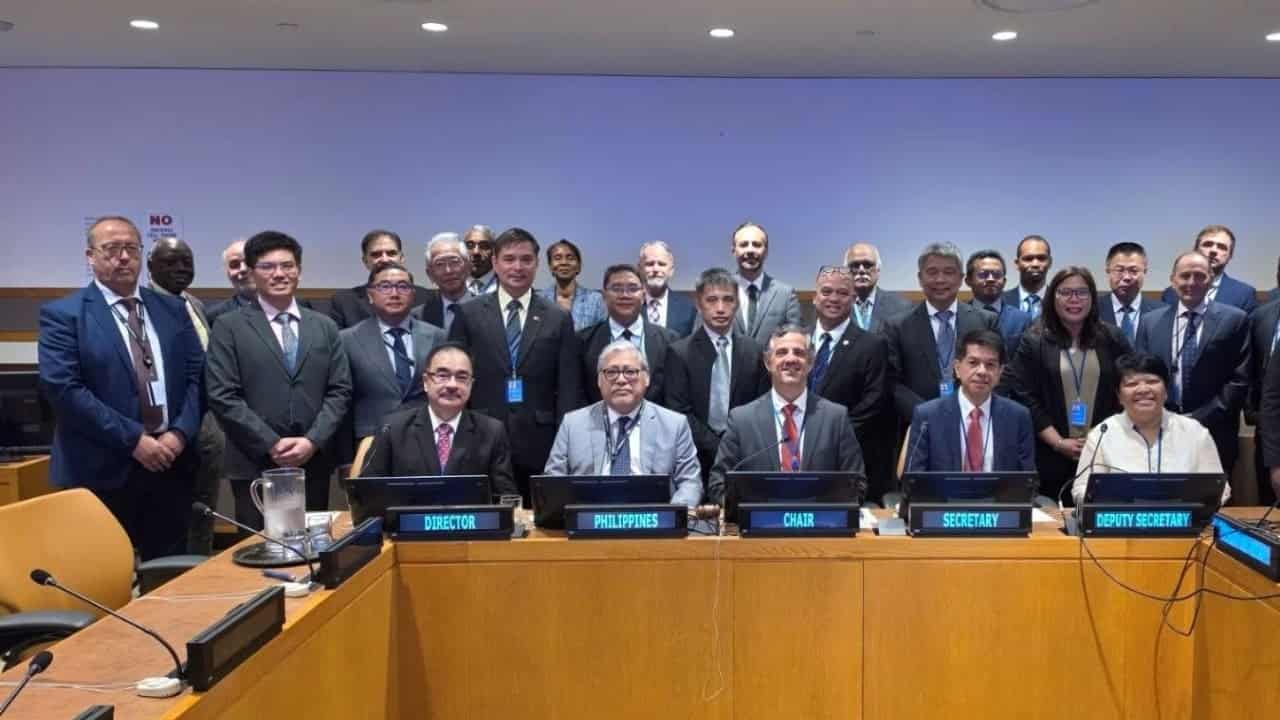
China dismisses Philippine education concerns as 'political provocation' | PiQ Markets
4 storiesGeopolitics & Global RiskSouth China Sea territorial disputesForeign election interference & disinformation
China dismisses Philippine education concerns as 'political provocation'
window 24h
IN SHORT
China has labeled the Philippines' concerns about Chinese state-linked institutions influencing its education programs as "extremely serious political provocation." This dispute adds to existing tensions, largely centered on maritime confrontations in the South China Sea. Meanwhile, the Philippines' pursuit of seabed exploration rights in the same waters may jeopardize ongoing negotiations for a Code of Conduct between China and ASEAN nations. Separately, North Korea dismissed U.S.-led warnings about its IT workers as a bid to smear its image and justify pressure. In Taiwan, the KMT party accused the ruling DPP government of failing to defend the island's South China Sea claims.
✉Newsletter
PiQ Daily
Pick your topics. Get only what matters, on your cadence.
Who's Involved
China
nation accused of political provocation and involved in maritime disputes
Philippines
nation raising concerns about Chinese influence and pursuing seabed rights
North Korea
nation accused of cyber threats and dismissing U.S. warnings
United States
nation leading cyber threat warnings against North Korea
Taiwan
territory with disputed South China Sea claims
Kuomintang (KMT)
political party accusing Taiwan's government of failing South China Sea claims
Democratic Progressive Party (DPP)
ruling party in Taiwan accused of failing South China Sea claims
ASEAN
bloc negotiating a Code of Conduct with China
1 / 2
Key facts
China accused the Philippines of "extremely serious political provocation" regarding education programs.
The Philippines is pursuing seabed exploration rights in the South China Sea.
North Korea dismissed U.S.-led cyber threat warnings as a bid to smear its image.
A North Korean foreign ministry spokesperson called IT worker warnings politically motivated.
Taiwan's KMT party accused the DPP government of failing to defend South China Sea claims.
The KMT cited Chinese coast guard actions and the government's response.
Tensions between China and the Philippines are driven by maritime confrontations.
Philippines' seabed rights claims may jeopardize South China Sea Code of Conduct talks.
North Korea claims U.S.-led warnings justify pressure on sovereign states.
China has characterized the Philippines' concerns regarding Chinese state-linked institutions influencing its education programs as "extremely serious political provocation." This accusation escalates existing tensions between the two nations, which are primarily driven by maritime confrontations in the South China Sea. The Philippines' efforts to secure seabed exploration rights in the South China Sea are also raising concerns that these actions could undermine ongoing negotiations for a Code of Conduct between China and ASEAN nations. This situation poses risks to regional stability and exacerbates maritime disputes.
In a separate development, North Korea has accused the United States and its allies of fabricating cyber threat warnings to tarnish its image and provide justification for pressuring sovereign states. A spokesperson for the North Korean Foreign Ministry dismissed a joint warning about North Korean IT workers as a politically motivated accusation. Concurrently, Taiwan's Kuomintang (KMT) party has criticized the ruling Democratic Progressive Party (DPP) government, alleging a failure to defend Taiwan's sovereignty in the South China Sea. The KMT pointed to recent incidents involving Chinese coast guard actions and the government's response as evidence of this alleged failure.
The ongoing disputes highlight the complex geopolitical landscape in the Indo-Pacific region, with overlapping territorial claims, maritime security concerns, and accusations of political interference. The South China Sea remains a focal point for these tensions, involving multiple claimant states and major global powers. The negotiations for a Code of Conduct are intended to de-escalate these conflicts, but actions such as seabed exploration could complicate these diplomatic efforts. Similarly, accusations of cyber threats and political provocations add layers of complexity to inter-state relations, potentially hindering cooperation and increasing mistrust.
↳ Why This Matters
China has characterized the Philippines' concerns regarding Chinese state-linked institutions influencing its education programs as "extremely serious political provocation." This accusation escalates existing tensions between the two nations, which are primarily driven by maritime confrontations in the South China Sea. The Philippines' efforts to secure seabed exploration rights in the South China Sea are also raising concerns that these actions could undermine ongoing negotiations for a Code of Conduct between China and ASEAN nations. This situation poses risks to regional stability and exacerbates maritime disputes.
Frequently asked questions
The Philippines flagged concerns that Chinese state-linked institutions were influencing domestic education programs, citing China's national security law that compels cooperation with state intelligence agencies.
China's foreign ministry dismissed the concerns as "extremely serious political provocation" and "filled with lies and malicious attacks," accusing a small group of anti-China forces of political manipulation.
The dispute occurs amid growing tensions between China and the Philippines over repeated maritime disputes and confrontations in the South China Sea.
What Happens Next
01Further statements or actions from either the Philippines or China regarding the education program concerns.
02Continued maritime confrontations in the South China Sea.
Get the newsletter.
Pick the topics you actually care about. We'll email when there's news worth your time, on the cadence you choose. Cancel any time from your account.