Key facts
- A $50 million ransom was paid for a hostage in Mali.
- The ransom payment significantly funded al Qaeda's advances in West Africa.
A United Nations report indicates that a $50 million ransom payment for a hostage in Mali has substantially funded al Qaeda's operations in West Africa and its global network. These funds were largely channeled to militant factions within the Sahel region. Concurrently, U.S. missionary pilot Kevin Rideout has been freed in Niger after nine months of captivity, following negotiations involving eastern Libyan commander Khalifa Haftar. Rideout is now in U.S. custody and is returning home.
A significant portion of al Qaeda's recent advances in West Africa and its global network has been financed by a $50 million ransom payment made for a hostage in Mali, according to a United Nations report. The substantial sum was primarily distributed among militant groups operating within the Sahel region, fueling their operations and expansion.
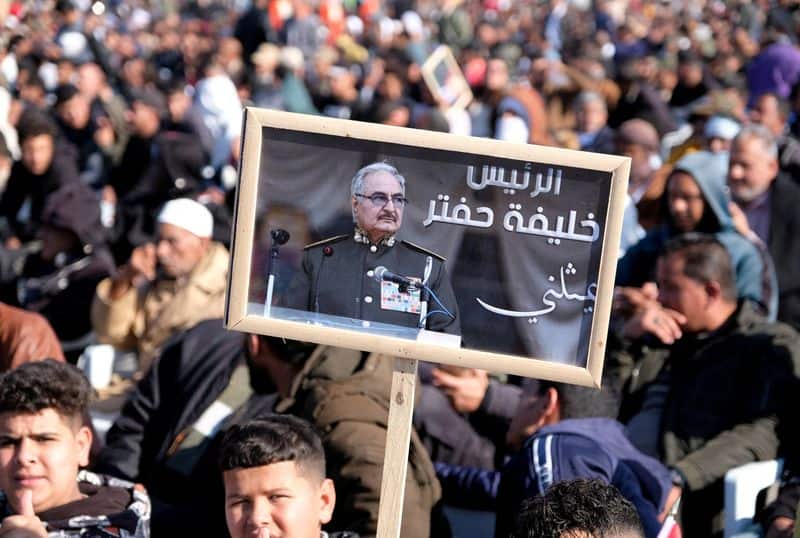
In a related development, American missionary pilot Kevin Rideout has been released from captivity in Niger after being held for nine months. His freedom was secured through a deal that involved eastern Libyan military commander Khalifa Haftar. Rideout is now in the custody of the United States and is in the process of being transported back to his home country.
The UN report highlights the critical role of ransom payments in sustaining terrorist organizations like al Qaeda, particularly in regions like the Sahel where instability provides fertile ground for recruitment and operations. The flow of funds from such payments enables these groups to acquire resources, expand their reach, and carry out attacks, posing a persistent threat to regional and international security.
The involvement of Khalifa Haftar in brokering Rideout's release underscores the complex geopolitical landscape of North and West Africa, where various actors, including military commanders and international bodies, engage in intricate negotiations to resolve hostage situations and address security concerns.
A significant portion of al Qaeda's recent advances in West Africa and its global network has been financed by a $50 million ransom payment made for a hostage in Mali, according to a United Nations report. The substantial sum was primarily distributed among militant groups operating within the Sahel region, fueling their operations and expansion.