Key facts
- Ukraine has updated its list of priority targets for long-range strikes within Russia.
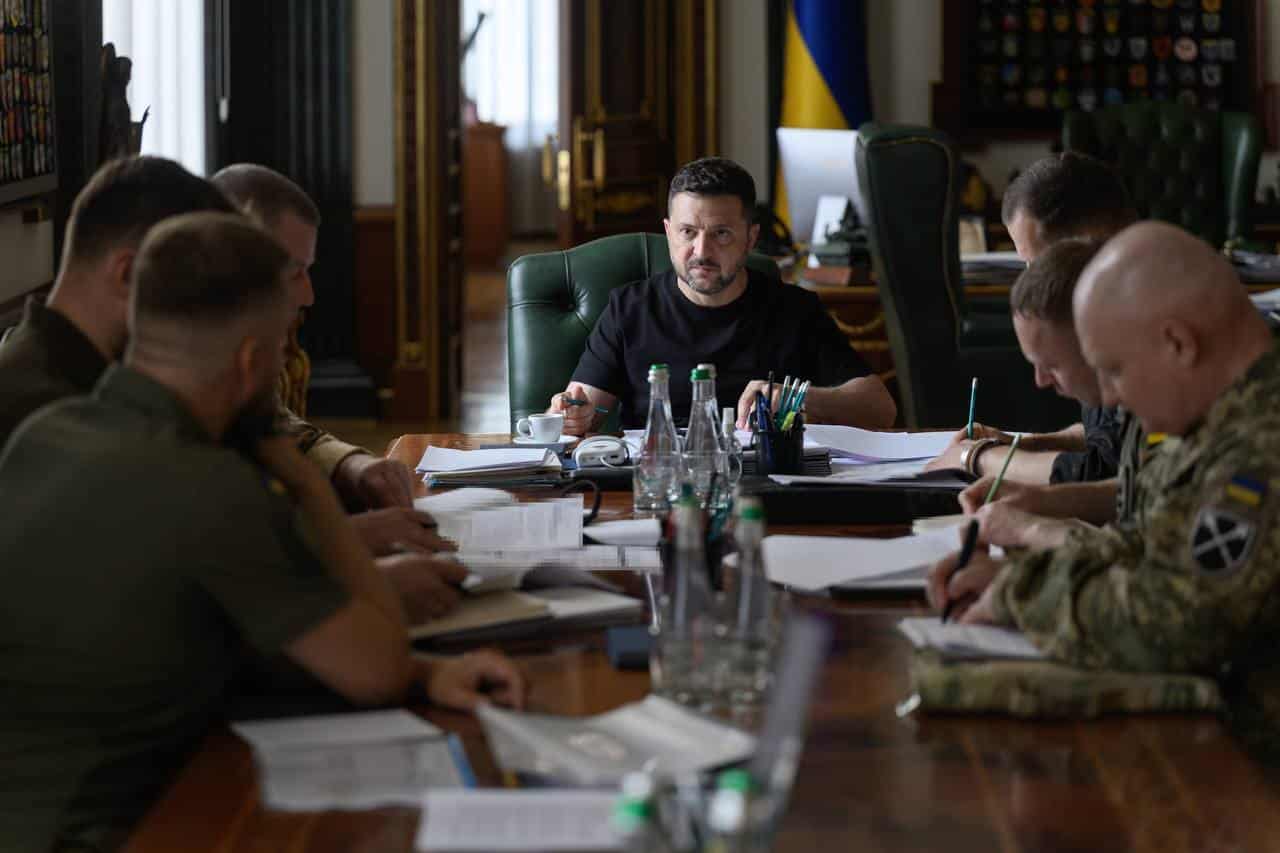
- President Volodymyr Zelensky announced the updated target list after a meeting with military leaders on July 26.
- Ukraine's domestically produced weapons can now strike targets over 3,000 kilometers away.
- The strikes aim to disrupt Russia's ability to continue the war by targeting weapon production and causing economic losses.
- Zelensky stated that the concentration of Russian air defense systems around key cities leaves other areas vulnerable.
President Volodymyr Zelensky announced on July 26 that Ukraine has updated its list of priority targets for long-range strikes against Russia. This development follows a series of Ukrainian drone attacks on logistics hubs belonging to Wildberries, Russia's largest online retailer, signaling an escalation in Ukraine's drone campaign.
Zelensky stated that Ukraine's domestically produced weapons are now capable of striking targets at distances exceeding 3,000 kilometers (approximately 1,864 miles), with efforts underway to further extend this range. He noted that Russia's strategic depth, once an advantage, is now a vulnerability due to the concentration of its air defense systems around major cities like Moscow, St. Petersburg, and the Crimean Bridge. This focus leaves other critical facilities across Russia exposed to Kyiv's longer-reaching weaponry.
According to Zelensky, Ukrainian drones have successfully reached targets in regions as far as the Ural Mountains and Siberia. He reported that over a thousand combat missions related to this deep-strike strategy have been conducted since the beginning of the year. These strikes have reportedly impacted Russian oil assets, weapons factories, and logistics hubs, leading to fuel shortages and economic disruptions across Russia.
Zelensky reiterated that the objective of these attacks is to exert pressure on the Kremlin to return to the negotiating table. The updated list of targets is designed to maximize their impact on Russia's ability to sustain the war, specifically by disrupting the production of weapon components and inflicting economic losses, thereby bringing the conflict back to what he described as 'familiar ground.'