Key facts
- President Volodymyr Zelensky confirmed a second strike on Russia's Dubna space communications center on June 30.
- The strike is part of Ukraine's 'long-range sanctions' against Russia.
- The EU announced the disbursement of 3.9 billion euros for drone procurement for Ukraine.
- Ukraine's Security Service detained a former Russian-installed energy minister of occupied Crimea in Kyiv.
- Sweden's military intelligence chief stated Russia's threat is deep, structural, and enduring, likely outlasting Vladimir Putin.
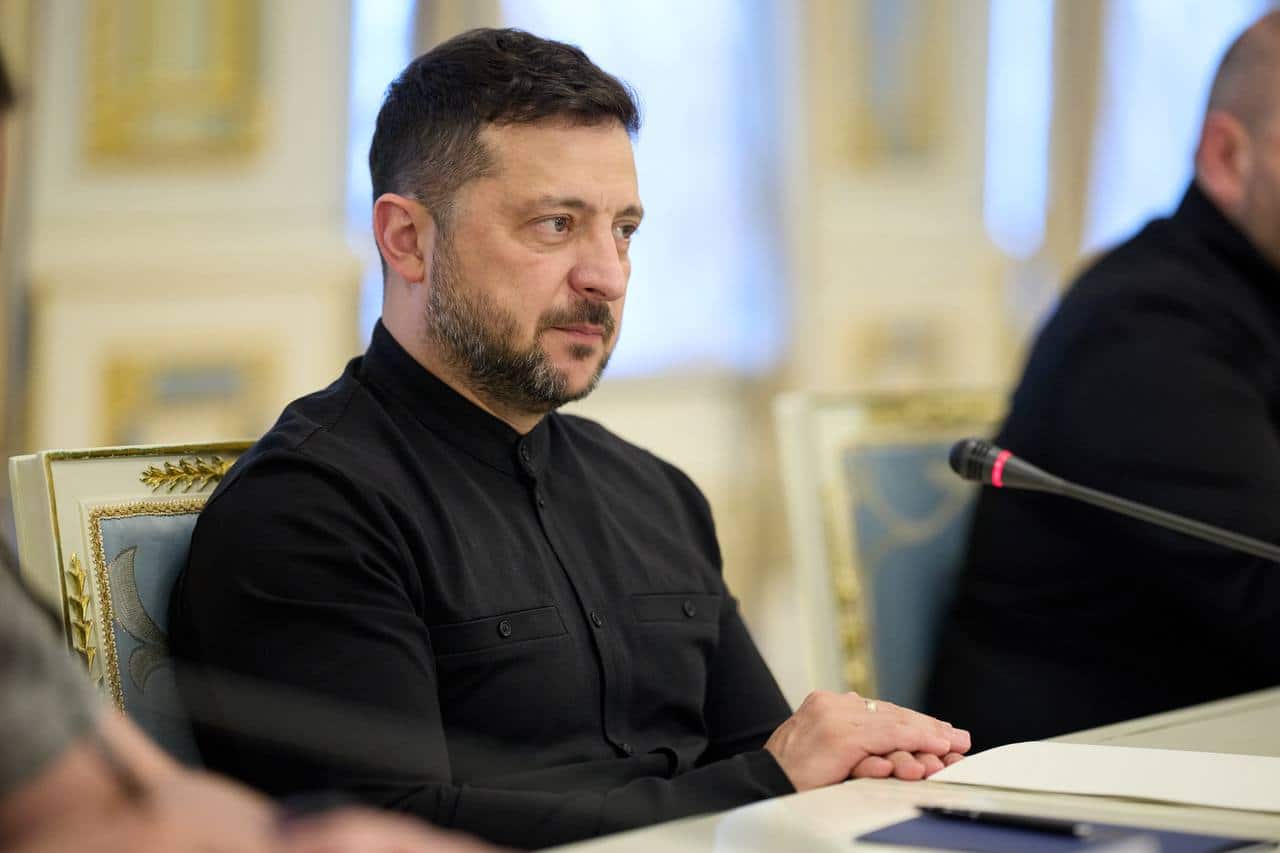
Ukraine has conducted a second strike on Russia's Dubna space communications center in Moscow Oblast, President Volodymyr Zelensky announced on June 30. Zelensky stated that Ukraine is gradually implementing its plan for long-range sanctions against Russia, making it difficult for the aggressor state to wage war.
The attack on the Dubna facility, located approximately 500 kilometers from Ukraine's border, marks the second confirmed strike on the site in eight days. The facility is crucial for Russian military communications, intelligence, and satellite operations. During a previous attack on June 22, a 32-meter satellite communications antenna and the main control building were reportedly damaged.
Zelensky indicated that Ukrainian forces have also struck four other similar Russian satellite communications centers in the Moscow and Vladimir regions and are preparing operations against additional military facilities. Moscow Mayor Sergei Sobyanin claimed that Russian air defenses intercepted 61 Ukrainian drones approaching the capital overnight, and Russia's Defense Ministry reported shooting down 419 drones over Russian territory and occupied Crimea.
Separately, the European Union is disbursing 3.9 billion euros to Ukraine as part of a major support loan aimed at bolstering the country's defense capabilities, particularly for drone procurement. This payment is part of an initial 6-billion-euro tranche under a larger 90-billion-euro loan approved in April. European Commission President Ursula von der Leyen emphasized that these investments support Ukraine's defense production and reinforce Europe's security.
In another development, Ukraine's Security Service (SBU) announced the detention in Kyiv of a former Russian-installed energy minister from occupied Crimea. The individual, identified as Serhii Kolobov, allegedly helped Russia seize Crimea's energy infrastructure after its 2014 occupation and was charged with high treason.
Meanwhile, Sweden's military intelligence chief, Thomas Nilsson, stated that Russia's threat to the West is deep, structural, and enduring, and is likely to persist long after President Vladimir Putin leaves office. Nilsson noted that Russia is planning to expand its military presence along NATO's northeastern flank, despite current priorities in Ukraine.