Key facts
- Over 72,000 people entered Ceuta irregularly from Morocco last week.
- The Spanish government has returned approximately 70,000 individuals.
- At least 141 people have died attempting the crossing.
- Migrants report a lack of opportunities, corruption, and despair in Morocco as driving factors.
- Human rights organizations and analysts suggest potential Moroccan state complicity in the surge.
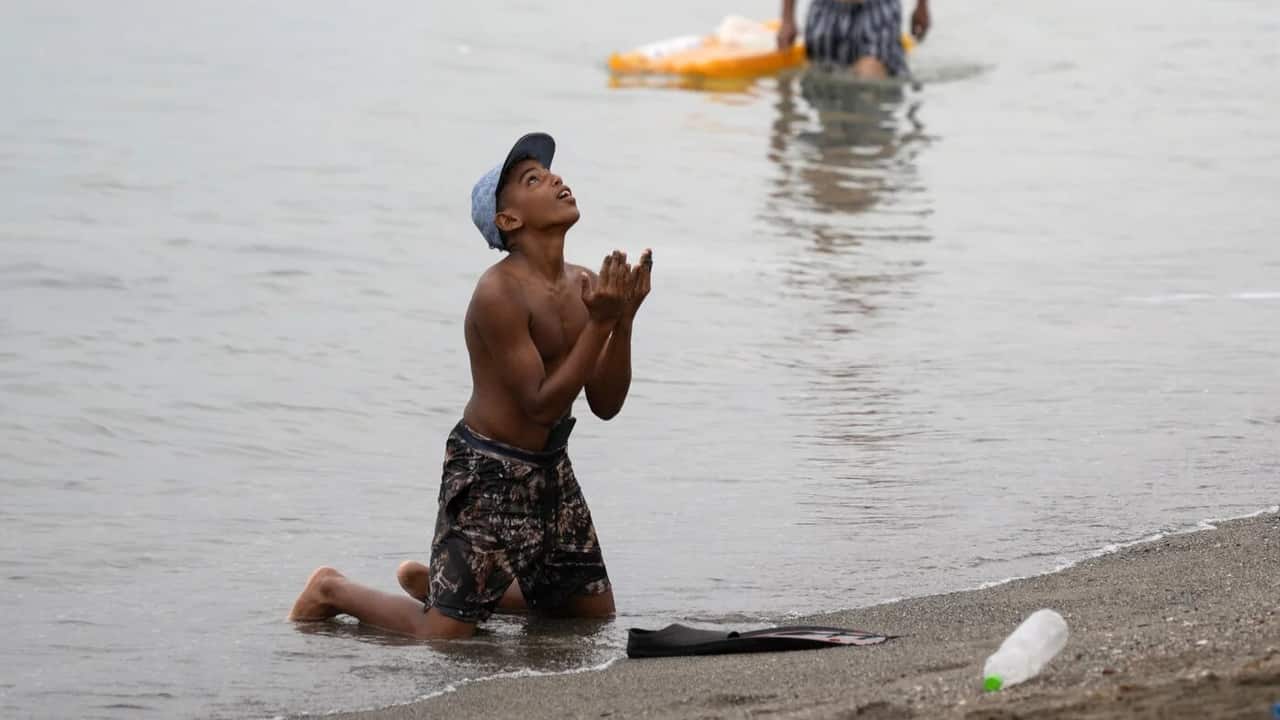
The Spanish enclave of Ceuta has faced an unprecedented migrant crisis, with tens of thousands of people, primarily young Moroccans, crossing irregularly from Morocco. The surge, which began on July 31, has resulted in numerous deaths and widespread speculation about the causes, including potential Moroccan state complicity. Migrants themselves cite a profound lack of opportunities, endemic corruption, and despair in Morocco as their primary motivations for undertaking the perilous journey. Human rights groups have attributed responsibility to the Moroccan state, comparing the situation to that of war zones. While Morocco's Interior Ministry blamed social media and trafficking networks, analysts and migrants suggest authorities may have facilitated or at least allowed the crossings. NGOs on the ground have documented irregular return processes and alleged beatings of migrants. Many young Moroccans, even those with diplomas, feel they have no future in their home country, leading them to risk everything for a chance at a better life in Europe.