Key facts
- Hundreds of police and security dogs are deployed across North America for the World Cup.
- The dogs are trained to detect explosives, fireworks, and firearms.
- Security organizers aim to use dogs as a deterrent and to ensure fan comfort.
- Geopolitical tensions and political protests have increased security concerns for the tournament.
- The scale of the World Cup requires managing a large number of dog teams across multiple cities.
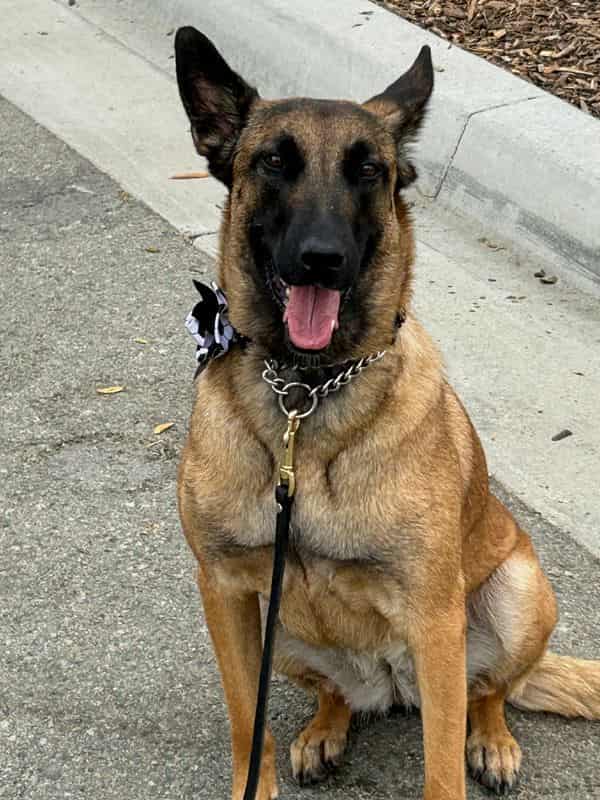
Security dogs are a key component of the defense strategy for the World Cup, which is being co-hosted by the United States, Canada, and Mexico. These canine units are tasked with detecting explosives, fireworks, firearms, and other threats, serving as both a physical and psychological deterrent to potential wrongdoers. The tournament's scale, spanning 16 cities across three countries, coupled with geopolitical tensions and the possibility of political protests, has stretched security resources, necessitating the deployment of hundreds of dogs from various agencies and private firms.
Glen Kucera, President of Allied Universal Enhanced Protection Services, highlighted that approximately 300 of his company's 1,000 dog teams are involved in World Cup security. He emphasized that the dogs' presence alone acts as a significant deterrent, with 95% of their function being visual. The organizers are also focused on balancing security with fan comfort, opting for breeds like Labradors to avoid intimidating attendees from countries where dogs may be associated with state security forces. Unique challenges, such as managing the travel schedule of the Iranian team and accompanying protests, have added complexity to security operations.
While robot dogs have been utilized in some locations like Guadalajara, Mexico, and multi-layered strategies are employed in places like Vancouver, the overarching goal remains consistent: to ensure a safe environment. The sheer number of dog teams required to cover stadiums, training grounds, hotels, and transportation routes presents an unprecedented logistical challenge for security organizations. Despite the high-stakes environment, the dogs themselves have been reportedly cooperative, even posing for pictures.