Key facts
- A US-Saudi civilian nuclear deal has been finalized, raising concerns in Israel about potential nuclear proliferation.
- President Trump claimed the deal includes a prohibition on uranium enrichment and requires Saudi normalization with Israel.
- US officials and official announcements indicate Saudi normalization with Israel was not part of the nuclear agreement.
- The deal may allow Saudi Arabia to pursue domestic uranium enrichment without International Atomic Energy Agency (IAEA) monitoring.
- Both the US and Saudi Arabia have strategic interests in the deal, including maintaining US influence and supporting Saudi economic diversification.
- The agreement could position Saudi Arabia to develop a nuclear deterrent, particularly in response to Iran's nuclear program.
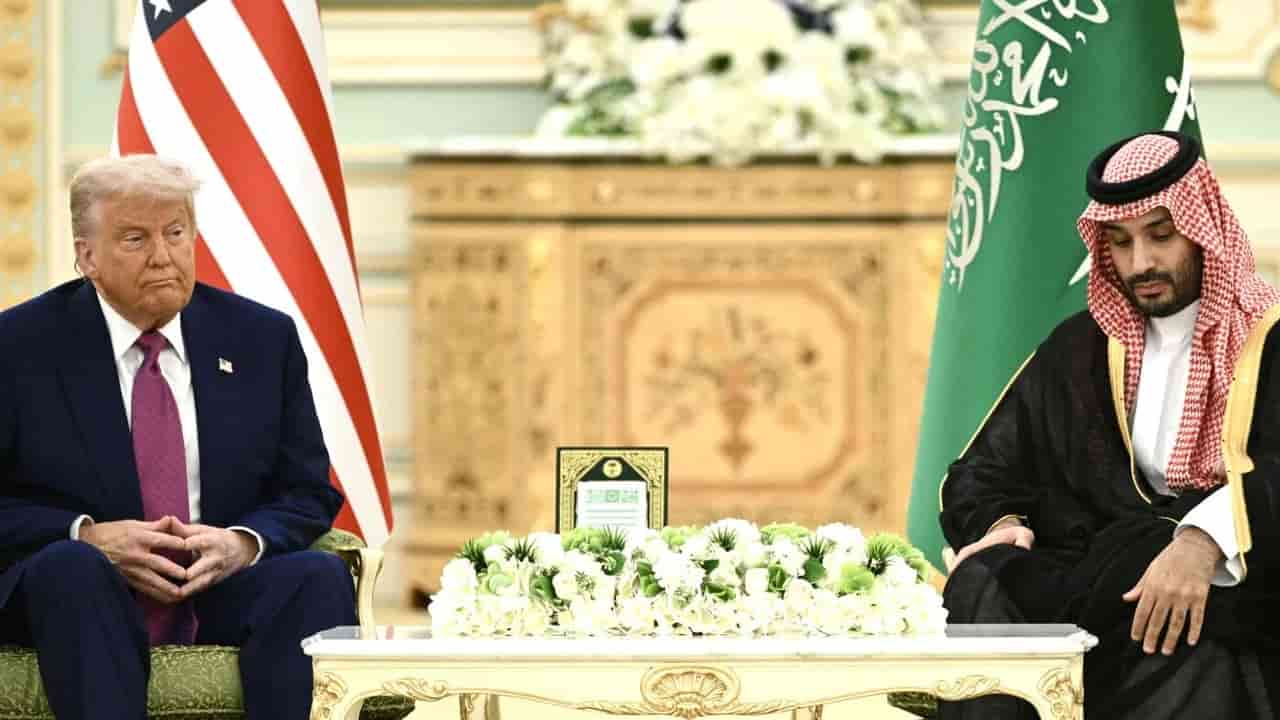
A US-Saudi civilian nuclear deal has generated significant controversy, particularly concerning its implications for regional nuclear proliferation and normalization between Saudi Arabia and Israel.
News of the agreement led to anger in Israel, with political leaders expressing fears that it could accelerate Saudi Arabia's path to developing nuclear weapons. These anxieties were partially addressed by a social media post from US President Donald Trump, who stated that the deal prohibits uranium enrichment and mandates Saudi normalization with Israel. The office of Israeli Prime Minister Benjamin Netanyahu celebrated this characterization as a win for the Abraham Accords.
However, the veracity of Trump's claims is in doubt. US officials indicated that Saudi recognition of Israel was never a topic during negotiations, and official announcements from the US Department of Energy and the Saudi Press Agency made no mention of normalization. Political realities, including the ongoing conflict in Gaza and Saudi leaders' condemnation of Israeli actions, make normalization highly unlikely without significant progress on the Palestinian issue. Crown Prince Mohammed bin Salman has reportedly warned that normalization could lead to his assassination.
Despite Israeli objections, both Washington and Riyadh have strategic interests in the deal. For the US, it prevents Saudi Arabia from turning to China or Russia for nuclear cooperation and secures business for American companies. For Saudi Arabia, the agreement supports economic diversification and energy needs, while also potentially positioning the kingdom to develop a nuclear deterrent, especially in response to Iran's nuclear ambitions.
Crucially, the agreement may allow Saudi Arabia to pursue domestic uranium enrichment without IAEA monitoring. This lack of oversight, combined with potential enrichment capabilities, is expected to heighten proliferation concerns in Israel and Iran. This development could influence future US-Iran nuclear negotiations, potentially leading to a regional domino effect of nuclearization if Tehran and Riyadh acquire nuclear weapons, compelling other nations like Egypt and Turkey to follow suit.