Key facts
- U.S. Treasury sanctioned Persian Gulf Marine Insurance Company and HormuzSafe Marine Services Authority.
The U.S. Treasury has sanctioned two Iranian maritime insurance firms, accusing them of operating an extortion scheme that funneled funds to the Islamic Revolutionary Guard Corps. The scheme accepted bitcoin and other digital assets for coverage against risks largely created by Iran itself.
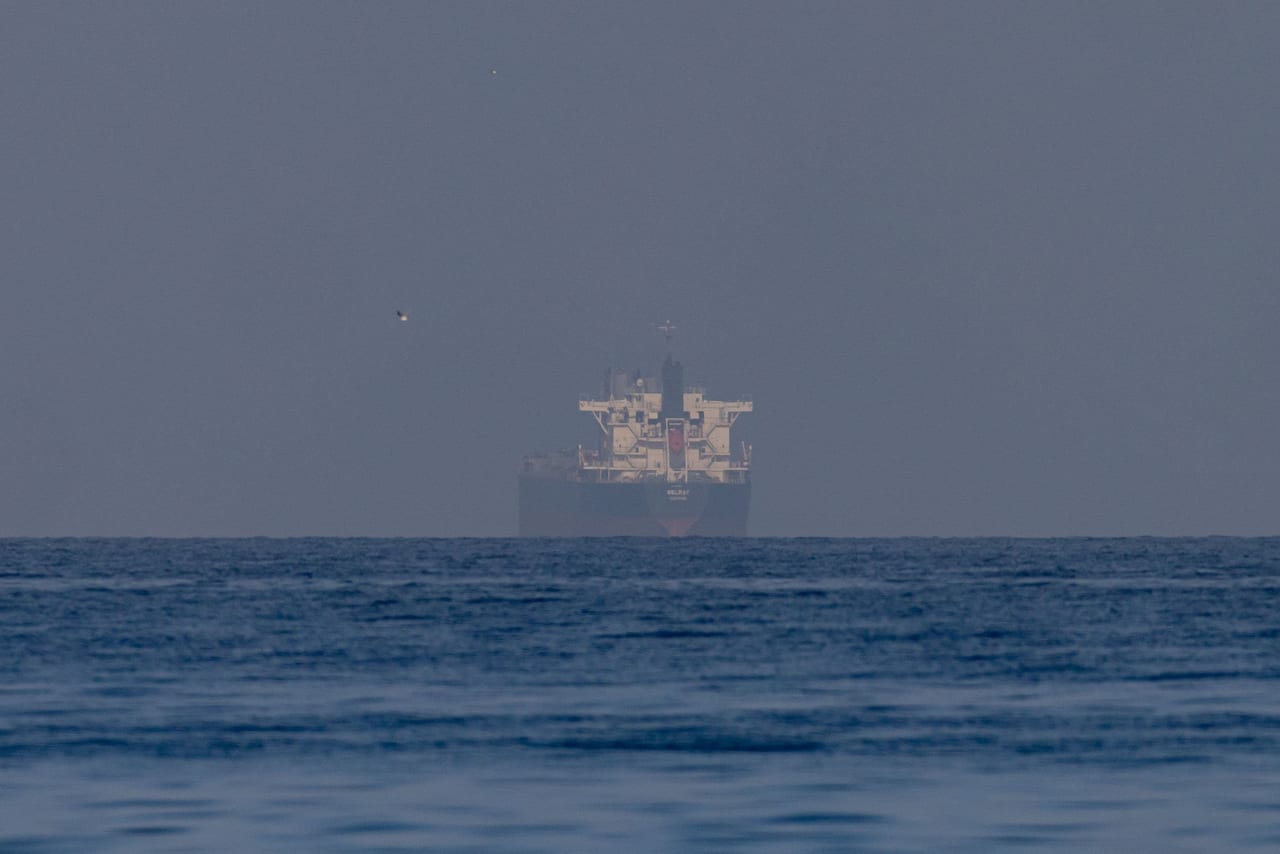
The sanctions target a scheme that allegedly uses cryptocurrency to circumvent U.S. financial restrictions and fund a designated terrorist organization, highlighting efforts to combat illicit financial flows through digital assets amidst heightened geopolitical tensions in a vital energy corridor.
The U.S. Treasury has imposed sanctions on two Iranian maritime insurance companies, Persian Gulf Marine Insurance Company and HormuzSafe Marine Services Authority, alleging they operated an extortion scheme that channeled funds to Iran's Islamic Revolutionary Guard Corps (IRGC). The Treasury stated that these entities provided insurance to commercial vessels transiting the Strait of Hormuz, a critical global energy chokepoint, accepting payments in bitcoin and other digital assets. The coverage was described as protection against risks, such as vessel seizures, that are "overwhelmingly created by Iran itself."
The sanctions, issued under an executive order targeting Iran's petroleum and petrochemical sectors, prohibit U.S. persons from engaging in transactions with the designated firms. Furthermore, foreign companies that conduct business with them, including those making payments in cryptocurrency, face the risk of secondary sanctions.
Treasury Secretary Scott Bessent commented that the regime is "desperate for cash" due to its struggling economy and triple-digit inflation. The Strait of Hormuz has seen reduced traffic amid ongoing U.S. strikes on Iran, which have contributed to elevated oil prices. The existence of the bitcoin-settled insurance plan was previously reported in May, based on accounts from Iran's state-linked Fars News, which suggested the model could generate over $10 billion.