Key facts
- The U.S. Army has nearly depleted its stockpile of ATACMS and Precision Strike Missiles.
- The depletion occurred during the five-month war with Iran.
The U.S. Army has depleted nearly all of its long-range ATACMS and Precision Strike Missiles during the five-month war with Iran, raising concerns about future conflict readiness. President Trump stated the U.S. has ample munitions and is increasing production.
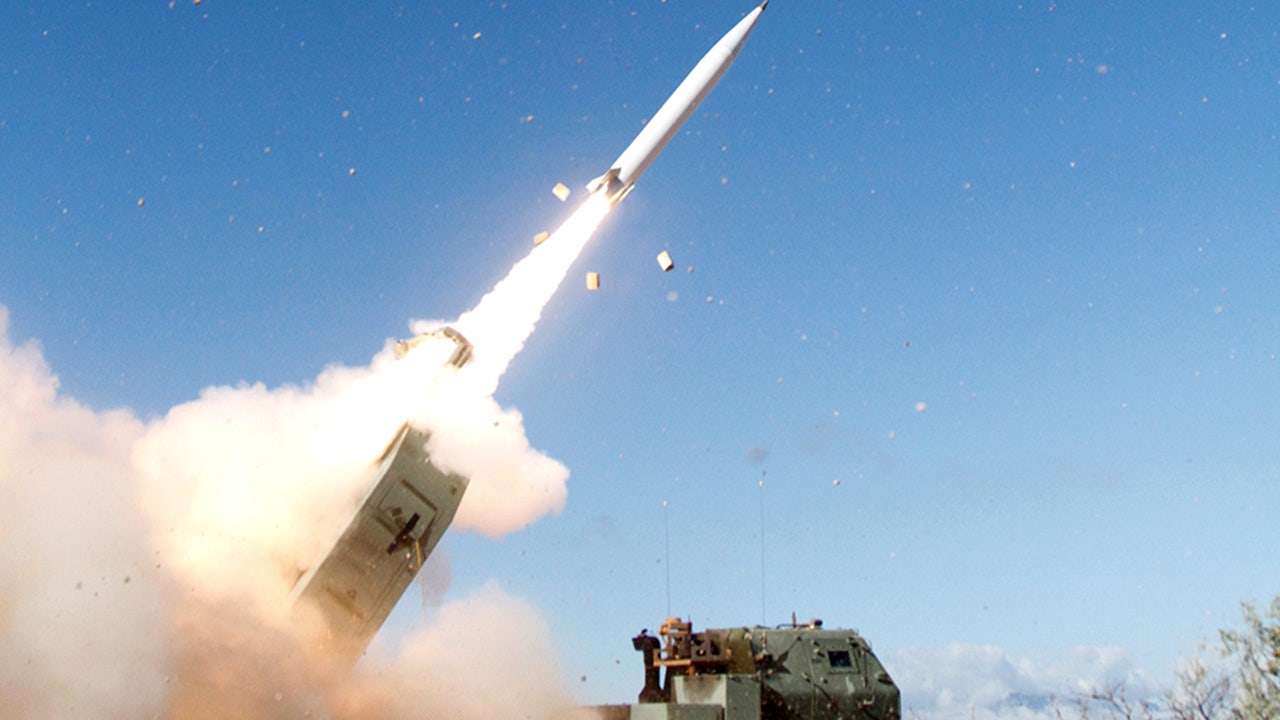
The depletion of long-range precision missiles raises questions about the U.S. military's capacity to sustain prolonged conflicts and deter potential adversaries, potentially necessitating riskier military operations or increased reliance on production capacity.
The U.S. Army has nearly depleted its stockpile of long-range precision missiles, including ATACMS and Precision Strike Missiles (PrSM), during its five-month war with Iran, according to three sources familiar with the data. This depletion has raised concerns among some officials about the nation's readiness for future conflicts and its ability to deter adversaries like China or Russia.
These sources, who spoke to Reuters on the condition of anonymity, indicated that the issue primarily affects the Army’s surface-to-surface weapons. The limited supply of these missiles could force the U.S. military to rely more on riskier piloted bombing missions if large-scale attacks on Iran were to resume.
In response to inquiries, President Donald Trump stated that the U.S. possesses "far more munitions than anyone in the world" and that defense companies are currently producing more munitions than ever before, while also expanding their plants and equipment at record levels. Analysts have confirmed record production levels for some U.S. munitions, including artillery shells and various missiles, but expressed concerns that current supplies might not be sufficient for a prolonged war. The supply numbers had reportedly led to tense discussions within the Trump administration regarding the sustainability of attacks on Iran before the stockpile reaches critical levels, potentially limiting the military's response capabilities in other crises.