Key facts
- The U.S. military concluded its 11th consecutive night of strikes on Iran.
- The strikes targeted Iranian military operations centers, maritime capabilities, aircraft hangars, drone storage facilities, and military logistics infrastructure.
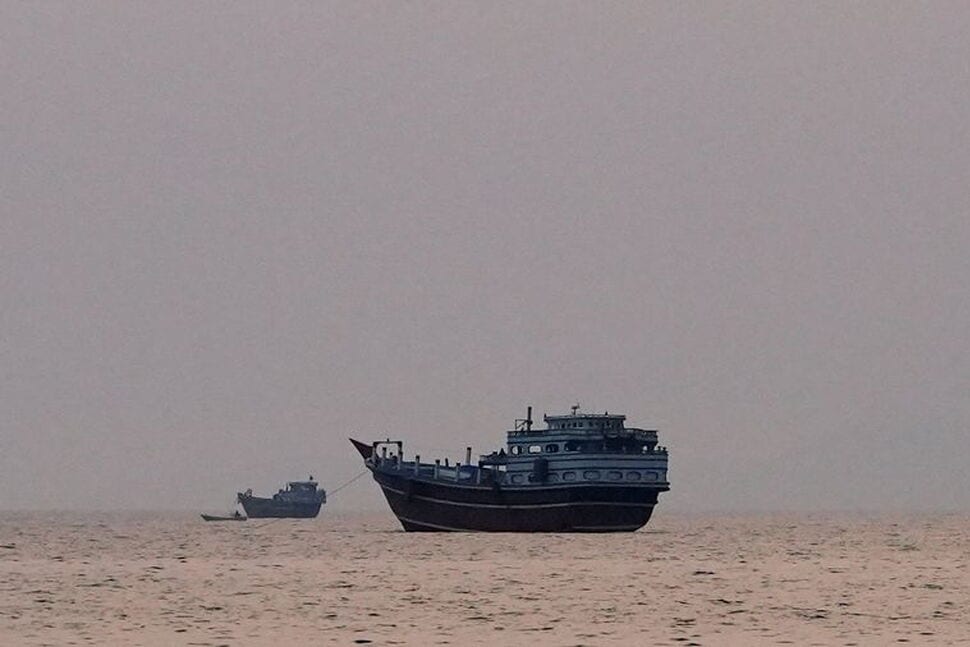
- Washington stated Iran has attacked over 30 commercial vessels in the Strait of Hormuz in the last three months.
- An Iranian health ministry official reported 50 civilians killed and 500 wounded in the U.S. strikes.
- President Donald Trump threatened to expand targets to include energy plants and bridges.
- Mediators are increasing efforts to end the hostilities.
The U.S. military announced the conclusion of its latest strikes on Iran, which represented the 11th consecutive night of American military action. These operations were aimed at degrading Iran's capacity to threaten commercial shipping in the Strait of Hormuz. U.S. Central Command (CENTCOM) detailed that the targets included Iranian military operations centers, maritime capabilities, aircraft hangars, drone storage facilities, and military logistics infrastructure.
Washington stated that Iran has attacked more than 30 commercial vessels transiting the Strait of Hormuz in the past three months. In response to the U.S. strikes, an Iranian health ministry official reported that 50 civilians were killed and 500 were wounded. Explosions were reportedly heard across the Iranian capital, Tehran, with air-defense systems activated. Additional explosions were reported in various other locations across Iran, including Bushehr, Sirik, Behbahan, Omidiyeh, and near Tabriz.
U.S. Secretary of State Marco Rubio indicated that Washington remains open to diplomacy but stressed that Iran must demonstrate a genuine commitment to talks. U.S. Secretary of Defense Pete Hegseth informed Congress that the war's cost to Iran had reached $37.5 billion, while requesting additional funding. President Donald Trump vowed retaliation against Iran following a deadly weekend for U.S. troops and threatened to broaden strike targets to include energy plants and bridges. Iran's Khatam al-Anbiya Central Headquarters responded by warning of an expansion of attacks in the region if U.S. strikes target its nuclear sites.
Amidst the escalating violence, diplomatic efforts to broker a truce have intensified. Iranian Minister of Interior Eskandar Momeni engaged in discussions with senior Pakistani officials, including Army Chief Asim Munir. Qatari Prime Minister and Minister of Foreign Affairs Sheikh Mohammed bin Abdulrahman bin Jassim Al Thani held a phone call with Saudi Arabia's Prince Faisal bin Farhan Al Saud to discuss enhanced diplomatic efforts and coordination for de-escalation in the region.