All NewsEducationTV
Equities & FundsCrypto & Digital AssetsAI & TechnologyBusiness & CorporateUS Politics & PolicyGeopolitics & Global RiskMacro, Rates & FXCommodities & EnergyEuropean Politics & MarketsAsia-PacificReal Estate & Property
Story archiveAll categories
← All Stories

Hormuz traffic low despite Iran-US fighting pause

Created at 28 Jul · 5:47 PM2 sources↑ Market-relevant2 events
IN SHORT

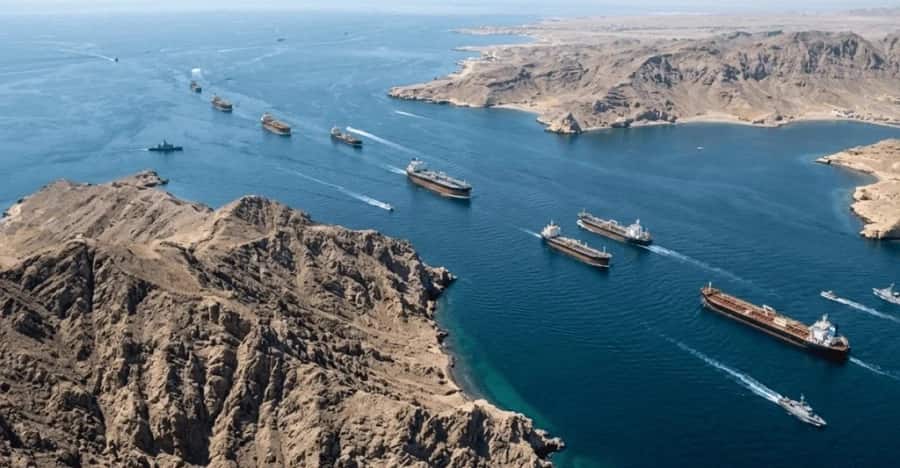
Vessel traffic through the Strait of Hormuz remains constrained, with only six vessels transiting on July 27, all along northern routes. US Central Command reported redirecting 18 commercial vessels, boarding two, and disabling two as part of its blockade since July 14.

✉Newsletter

PiQ Daily

Pick your topics. Get only what matters, on your cadence.

Key Numbers

18commercial vessels redirected by US Centcom
2commercial vessels disabled by US Centcom
2commercial vessels boarded by US Centcom
6vessels transited Hormuz on July 27
5vessels transited Hormuz outbound on July 26
2vessels transited Hormuz inbound on July 26
1outbound crossing detected on July 25
26"US-assisted" Hormuz transits over July 26-27
72hours of reduced traffic noted by UKTMO
14 Julydate of renewed US naval blockade against Iran

Who's Involved

US Central Command (Centcom)
Oversees US forces in the Middle East, reported redirecting, boarding, and disabling vessels
Windward
Vessel tracking service providing data on Hormuz traffic
UK Trade Maritime Organization (UKTMO)
Provided advisory on reduced traffic levels in Hormuz
US Naval Cooperation and Guidance for Shipping (NCAGS)
Liaises between military and civil authorities regarding shipping
US forces
Disabled sanctioned vessel Lavine and boarded tanker Charminar
Lavine
Very large gas carrier disabled by US forces, under US sanctions
Charminar
MR2 tanker boarded by US forces for compliance check
Hormuz traffic low despite Iran-US fighting pause

↳ Why This Matters

The continued low vessel traffic through the Strait of Hormuz, a critical global oil chokepoint, highlights the ongoing impact of geopolitical tensions and US enforcement actions on maritime trade, even amidst a pause in direct conflict.

Key facts

  • Vessel traffic through the Strait of Hormuz remains constrained despite a pause in attacks between the US and Iran.
  • US Central Command (Centcom) reported redirecting 18 commercial vessels, boarding two, and disabling two as part of its blockade since July 14.
  • Data from Windward shows low traffic, with all transits on July 27 occurring along northern, Iran-favored routes.
  • Alternative sources claim higher traffic, with "US-assisted" transits reaching 26 vessels over July 26-27.
  • US forces disabled a sanctioned vessel, the Lavine, on July 24 and boarded the Charminar on July 25.
  • UKTMO noted reduced traffic levels over the past 72 hours, with no sustained increase along the southern Omani corridor.

Vessel traffic through the Strait of Hormuz remains constrained despite a pause in attacks between the US and Iran. On July 27, only six vessels transited the strait, all utilizing the northern, Iran-favored traffic routing, according to data from vessel tracking service Windward. This follows a pattern of reduced traffic over the weekend, with only one outbound crossing detected on July 25.

Alternative data from the UK Trade Maritime Organization (UKTMO) and the US Naval Cooperation and Guidance for Shipping (NCAGS) suggests higher "US-assisted" transits, reaching 26 vessels over the July 26-27 period. However, UKTMO also noted that traffic continued at reduced levels over the past 72 hours, with no sustained increase along the southern Omani corridor.

US Central Command (Centcom) stated on July 28 that it had redirected 18 commercial vessels, boarded two, and disabled two more as part of its naval blockade since its resumption on July 14. US forces disabled the sanctioned very large gas carrier Lavine on July 24 and boarded the MR2 tanker Charminar on July 25 to ensure compliance with the blockade.

Frequently asked questions

The Strait of Hormuz is a vital chokepoint for global oil shipments, connecting the Persian Gulf to the open ocean.

The US Central Command is enforcing restrictions on vessels attempting to enter or leave Iranian ports, redirecting, boarding, and disabling ships as necessary.

Traffic is constrained due to ongoing geopolitical tensions, US enforcement actions, and a general reduction in activity following the breakdown of a previous US-Iran memorandum of understanding.

What Happens Next

01NCAGS has not yet responded to requests for details on transits.
02US Central Command continues to enforce its blockade of traffic to and from Iranian ports.

Get the newsletter.

Pick the topics you actually care about. We'll email when there's news worth your time, on the cadence you choose. Cancel any time from your account.

Cadence

How It Developed

US Central Command redirected 18 commercial vessels, disabled two, and boarded two in its naval blockade against Iran as of July 28.
Vessel traffic through the Strait of Hormuz remained constrained over the weekend and into the week.
Hormuz vessel traffic on July 27 totaled six vessels, all along northern, Iran-favored routes.
On July 26, five vessels transited the strait outbound and two inbound, all on northern routes.
Traffic through the strait recorded by Windward fell to its lowest level since the breakdown of the June memorandum of understanding between the US and Iran on July 25.
Other sources claim higher ship traffic, with "US-assisted" transits reaching 26 vessels over the July 26-27 period.
UKTMO stated that over the last 72 hours, Strait of Hormuz traffic continued at reduced levels.
US forces disabled the very large gas carrier Lavine on July 24, a vessel sanctioned by the US.

Sources

T1
Hormuz transits still low despite pause in fightingArgus Media
T1
US Centcom says it redirected 18 commercial vessels in HormuzMiddle East Eye
T2
CENTCOM Says 17 Commercial Vessels Redirected, Two Disabled Under Iran ...arabtimesonline.com
T2
Iran conflict 2026: US aids ship transit in Hormuz Strait while ... - Janesjanes.com
T2
US, Iran redirect ships in Strait of Hormuz - shafaq.comshafaq.com

Related Stories

Iran warns US against attacking vessels, vows retaliation
28 Jul · 1:26 AM
Iran proposes Hormuz transit plan, rejects US talks
28 Jul · 6:51 AM
Qatar condemns Iranian attacks on Jordan, warns of escalation
28 Jul · 6:51 PM
Iran says US attacks killed over 350 government employees, damaged infrastructure
27 Jul · 9:31 PM
US drone shot down over Iraq's Anbar province, reports claim
27 Jul · 10:56 PM